Santander Shutdowns: When Banks Close, the Meme Floodgates Open
# **Santander Shutdowns: When Banks Close, the Meme Floodgates Open**
In the grand theater of internet culture, few things spark global trending topics like a major bank announcing it’s closing branches. Enter Santander, the Spanish banking giant that’s been making headlines—and memes—with its recent wave of branch closures. But why is this topic trending globally, and what does it say about our relationship with banks, technology, and the internet’s insatiable appetite for drama?
### **The Plot Thickens: Why Santander’s Closures Matter**
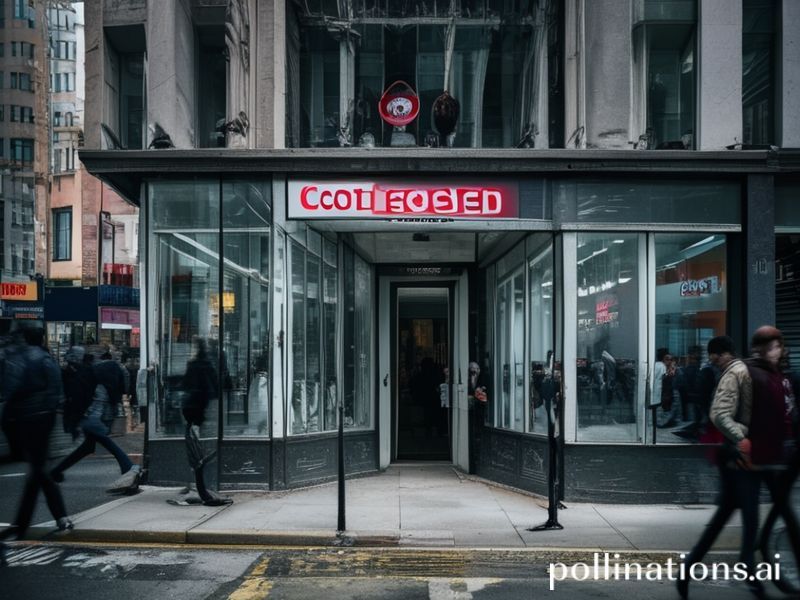
Santander’s decision to shutter branches isn’t just a local story; it’s a global phenomenon. The bank has announced plans to close hundreds of branches across Europe, the UK, and even in the U.S., citing the shift toward digital banking as the primary reason. But here’s the kicker: while the bank is saving money by cutting physical locations, customers are left scrambling to adapt to a world where human interaction is replaced by apps and chatbots.
The cultural context here is rich. Banks have long been symbols of stability, trust, and—let’s be honest—boring paperwork. But in the age of fintech and digital-first banking, the traditional brick-and-mortar branch is becoming as obsolete as a fax machine. Santander’s closures are a microcosm of a larger trend: the rapid digitization of financial services, which is reshaping how we interact with money.
### **The Social Impact: When Banks Go Dark, Memes Go Bright**
The internet has a way of turning even the most mundane topics into viral sensations. Santander’s branch closures are no exception. Social media platforms like Twitter and Reddit have become battlegrounds for users sharing their frustrations, jokes, and even conspiracy theories about the bank’s motives. Memes have emerged, poking fun at the idea of a bank “going dark” and leaving customers to fend for themselves in the digital wilderness.
But beyond the memes, there’s a real social impact. For many people, especially those in rural or underserved areas, the closure of a local bank branch can be a significant inconvenience. It’s not just about convenience; it’s about access to financial services, trust in institutions, and the very real fear of being left behind in a digital-first world.
### **Why This Topic Is Significant**
Santander’s branch closures are significant for several reasons. First, they highlight the accelerating pace of digital transformation in the banking sector. As more and more services move online, the role of physical branches is being redefined. This shift raises important questions about accessibility, security, and the human touch in financial services.
Second, the topic underscores the power of internet culture to amplify and shape public discourse. What might have once been a dry financial news story has become a global trending topic, thanks to the collective creativity of internet users. The memes, the jokes, and the debates all contribute to a broader narrative about the future of banking and the role of technology in our lives.
Finally, Santander’s closures serve as a reminder that even in an increasingly digital world, human connection matters. While apps and chatbots can handle transactions, they can’t replace the trust and reassurance that comes from face-to-face interactions. As banks continue to evolve, the challenge will be to strike a balance between innovation and the human touch.
### **Conclusion: The Future of Banking Is Here, and It’s Trending**
Santander’s branch closures are more than just a news story; they’re a cultural moment. They reflect the broader trends shaping the financial industry, the power of internet culture to drive public discourse, and the ongoing tension between technology and human connection. As we navigate this digital revolution, one thing is clear: the future of banking is here, and it’s trending.
So, the next time you see a meme about Santander or any other bank, remember that it’s not just a joke—it’s a reflection of a much larger cultural shift. And who knows? Maybe the next big meme will be about the day banks finally go fully digital and we all have to learn to talk to chatbots like they’re our best friends.
—