Venezuela’s TPS Drama: Why the World is Watching the U.S. Immigration Debate
# **Venezuela’s TPS Drama: Why the World is Watching**
In the grand theater of global politics, Venezuela has once again stolen the spotlight, and this time, it’s all about TPS. No, not the tropical pizza place—we’re talking about Temporary Protected Status, a U.S. immigration program that’s got everyone from Caracas to California talking. But why is this bureaucratic-sounding term trending globally? Buckle up, because we’re about to dive into the drama, the stakes, and why you should care.
### **The Plot Thickens: What is TPS?**
Temporary Protected Status (TPS) is a U.S. immigration designation granted to nationals of countries deemed unsafe due to armed conflict, environmental disasters, or other extraordinary conditions. It’s like a temporary VIP pass to stay in the U.S. without fear of deportation. Venezuela was added to the TPS list in 2021, granting protection to Venezuelan nationals already in the U.S. But here’s the twist: the Trump administration had previously tried to end TPS for several countries, including Venezuela, sparking a legal and political firestorm.
### **Why is Venezuela in the Spotlight?**
Venezuela’s inclusion in the TPS program is a big deal for several reasons:
1. **Humanitarian Crisis**: Venezuela is in the midst of a severe economic and political crisis, with hyperinflation, food shortages, and a collapsing healthcare system. Over 6 million Venezuelans have fled the country since 2015, creating one of the largest displacement crises in the world. TPS offers a lifeline to those who’ve already made it to the U.S., allowing them to work and send money back home.
2. **Political Chess Game**: The U.S. government’s decision to grant TPS to Venezuela is as much about humanitarian concerns as it is about geopolitics. The Biden administration has been vocal about supporting Venezuelan democracy and opposing the Maduro regime. Extending TPS is a way to put pressure on Maduro while also showing compassion for Venezuelan migrants.
3. **Legal Battles**: The Trump administration’s attempts to end TPS for several countries, including Venezuela, were met with legal challenges. Courts ruled that the administration’s decisions were arbitrary and capricious, setting a precedent that could influence future TPS decisions. The ongoing legal drama keeps the topic in the headlines.
### **Cultural Impact: More Than Just Policy**
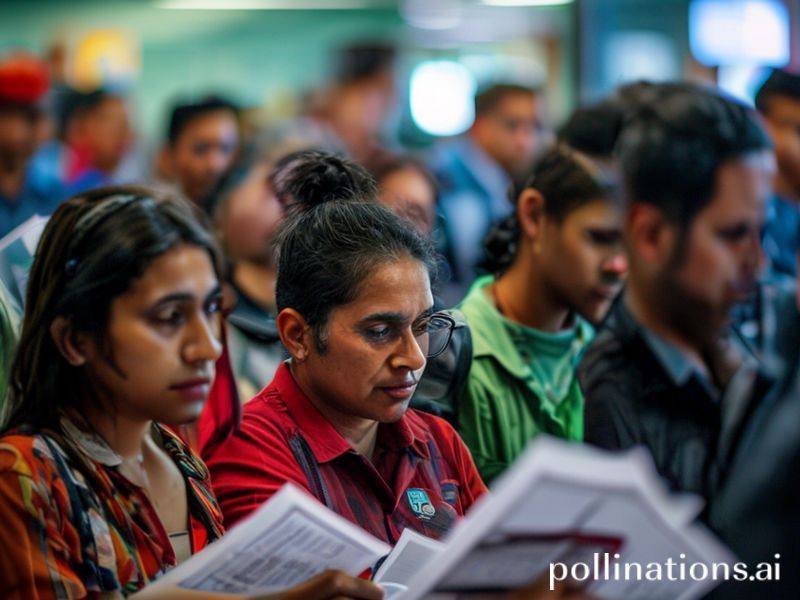
TPS isn’t just a policy wonk’s dream—it’s a cultural touchstone. Venezuelan migrants in the U.S. have created vibrant communities, contributing to everything from food scenes (arepas, anyone?) to arts and music. TPS allows these communities to thrive, sending remittances back home and keeping families connected.
But the cultural impact isn’t just about the migrants themselves. The debate over TPS also reflects broader societal tensions about immigration, humanitarianism, and national identity. In an era of rising xenophobia and political polarization, TPS serves as a litmus test for how societies balance compassion with security.
### **Why Should You Care?**
If you’re not directly affected by TPS, you might be wondering why this topic is trending globally. Here’s why:
1. **Global Migration Trends**: Venezuela’s crisis is part of a larger global pattern of displacement. Understanding TPS helps us grasp the complexities of migration, from the personal stories of those fleeing danger to the policy decisions that shape their futures.
2. **Political Ripple Effects**: The U.S. decision on TPS has implications beyond its borders. It influences how other countries handle migration and sets a precedent for international humanitarian responses.
3. **Human Stories**: Behind the acronyms and policy debates are real people—families, friends, and communities. TPS isn’t just about paperwork; it’s about lives, livelihoods, and the hope for a better future.
### **The Bottom Line**
Venezuela’s TPS drama is a microcosm of the larger global challenges we face: migration, humanitarianism, and the delicate balance between compassion and security. It’s a story of resilience, policy, and the human spirit. Whether you’re a policy buff, a cultural enthusiast, or just someone who loves a good drama, TPS is a topic worth following.
So, the next time you see #VenezuelaTPS trending, remember: it’s not just about an immigration program. It’s about people, politics, and the power of hope in the face of adversity.