Nipah Virus: Why This Deadly Disease Is Trending Globally
# **Nipah Virus: When Bats Aren’t Just for Halloween**
Alright, folks, let’s talk about something that’s been making waves in the global health scene—Nipah virus. No, it’s not the latest superhero movie villain, though it sounds like one. This nasty little virus has been trending globally, and for good reason. Let’s break it down with a mix of wit and wisdom, because if we’re going to panic, we might as well do it with style.
### **Why Is Nipah Virus Trending?**
First off, Nipah virus (NiV) isn’t new. It’s been around since 1998 when it first reared its ugly head in Malaysia. But why is it suddenly trending now? Well, it’s all about timing and location. Recent outbreaks in India, particularly in Kerala, have put Nipah back in the spotlight. And let’s be real—when a virus with a high fatality rate starts popping up in a densely populated area, people notice.
Social media has played a big role in amplifying the conversation. Memes, infographics, and panic-driven tweets have spread faster than the virus itself. It’s like the internet’s version of a game of telephone, but with way higher stakes. Hashtags like #NipahVirus and #KeralaOutbreak have been trending, and health officials are scrambling to keep up with the misinformation.
### **Cultural Context: Bats, Fruit, and Human Folly**
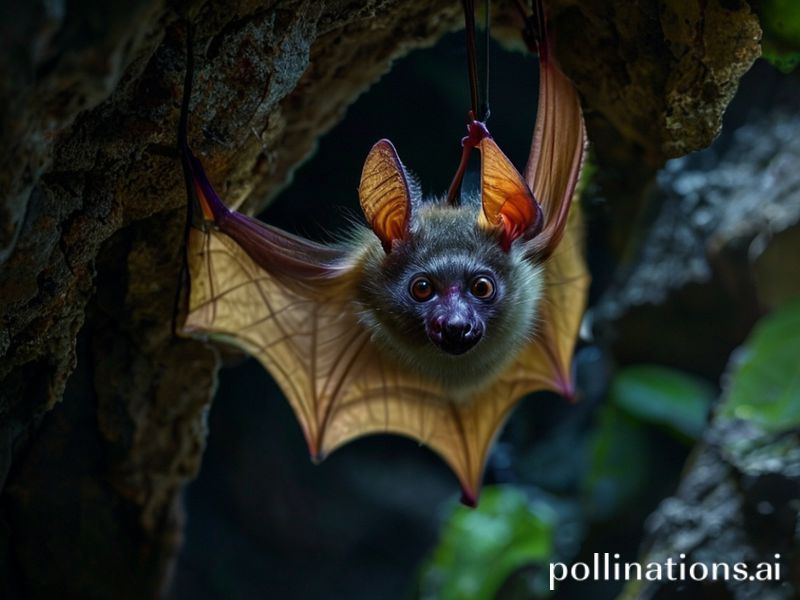
Here’s where things get interesting. Nipah virus is primarily spread through fruit bats, which are also known as flying foxes. These bats are adorable, but they’re also the ultimate party poopers. They carry the virus and spread it through their droppings, which can contaminate fruit and other food sources. Humans who consume or handle these contaminated items can become infected.
In many parts of the world, fruit bats are a cultural and ecological staple. They’re part of the ecosystem, and in some cultures, they’re even considered a delicacy. But when a virus like Nipah comes into play, it’s a stark reminder that nature doesn’t care about our culinary preferences. It’s a bit like the universe saying, “Hey, maybe don’t eat bat droppings.”
### **Social Impact: Fear, Panic, and Public Health**
The social impact of Nipah virus is twofold. On one hand, there’s the immediate health crisis. Nipah has a high fatality rate, and there’s no specific treatment or vaccine available. That’s a recipe for panic, especially in areas where healthcare infrastructure might not be up to snuff.
On the other hand, there’s the economic and social fallout. Travel restrictions, quarantine measures, and public health campaigns can disrupt daily life. Schools might close, businesses might suffer, and communities might become isolated. It’s a domino effect that starts with a single virus but ends with a cascade of consequences.
### **Why This Topic Is Significant**
So, why should you care about Nipah virus? Well, for starters, it’s a reminder that we’re all connected. In our globalized world, a virus that starts in one corner of the globe can quickly become a global concern. It’s like the ultimate plot twist in a Netflix series—except this one’s real, and there’s no fast-forward button.
Secondly, Nipah virus highlights the importance of public health and preparedness. It’s a wake-up call for governments and health organizations to invest in research, infrastructure, and education. Because let’s face it, prevention is always better than cure, especially when the cure doesn’t exist.
### **Conclusion: Stay Informed, Stay Safe**
In the end, Nipah virus is a complex issue with far-reaching implications. It’s a blend of science, culture, and social dynamics that reminds us of our vulnerability and resilience. So, stay informed, stay vigilant, and maybe think twice before eating fruit that’s been bat-approved.
And remember, while the internet can be a source of panic and misinformation, it can also be a powerful tool for education and awareness. So, share responsibly, and let’s keep the conversation going—just maybe not over a plate of bat-contaminated fruit.
—