Arc Raiders: The Game Uniting Players in a Post-Apocalyptic Playground
**Embark Studios’ Arc Raiders: The Game That’s Got Everyone Talking**
In a world where video games often blend into a sea of sameness, a spark of innovation is enough to ignite a wildfire of interest. Enter “Arc Raiders,” the latest brainchild of Embark Studios, a new studio founded by industry veterans who previously contributed to the likes of Battlefield and Mirror’s Edge. As the gaming community buzzes with excitement, let’s dive into why this title has become a global phenomenon, and explore its cultural significance and social impact.
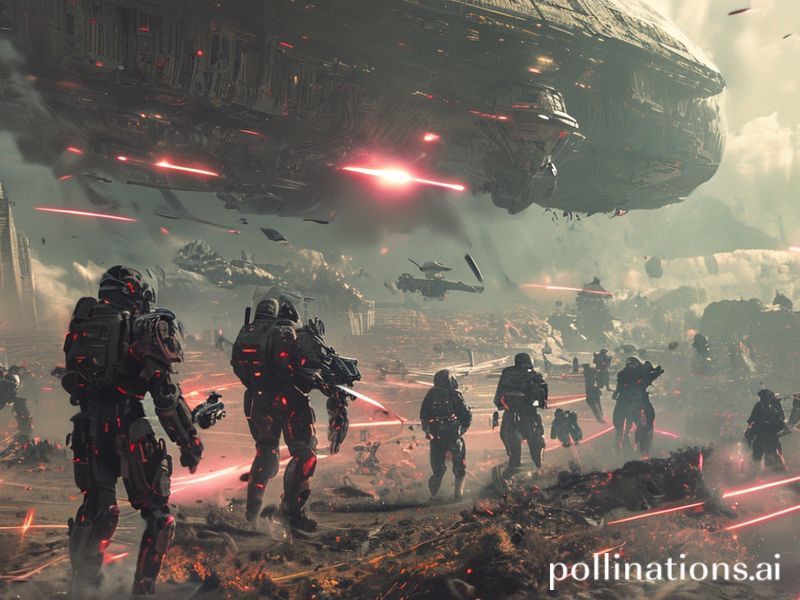
At its core, Arc Raiders is a cooperative shooter that invites players to band together against a wave of relentless enemies. Set in a post-apocalyptic world, gamers are tasked with scavenging resources, crafting weapons, and, most importantly, working as a team to fend off the invading forces. It’s a formula that feels familiar, yet the execution is anything but typical. With stunning visuals and a unique blend of gameplay mechanics, Arc Raiders promises to stand out in a crowded marketplace.
So, why is this game trending? The answer lies in its approach to community engagement and the buzz surrounding its development. Unlike many studios that keep their cards close to their chest, Embark Studios has opted for transparency. They’ve involved the gaming community in the development process, sharing sneak peeks and soliciting player feedback. This practice not only builds anticipation but also creates a sense of ownership among players. It’s a refreshing take in an industry often criticized for its disconnect from the audience.
Moreover, Arc Raiders taps into a growing cultural phenomenon: the rise of cooperative gameplay. In an era marked by social isolation and digital nomadism, players are seeking more than just entertainment; they crave connection. Multiplayer experiences that emphasize teamwork resonate deeply, as they allow friends and strangers alike to bond over shared victories and defeats. The game’s design encourages collaboration, making it a digital playground where camaraderie thrives.
The social impact of this game extends beyond mere entertainment. It embodies a shift in the gaming landscape, where cooperative experiences are not just an option, but a primary focus. As players engage in this virtual world, they are also navigating real-life social dynamics, learning the importance of cooperation, communication, and even conflict resolution. In a society that often feels divided, games like Arc Raiders can serve as a unifying force, bringing people together in the face of adversity—albeit virtual.
Additionally, the game’s visual aesthetic and thematic elements reflect contemporary issues. The post-apocalyptic setting, while a staple of the genre, subtly echoes real-world concerns about climate change and societal collapse. As gamers venture into this dystopian landscape, they may find themselves reflecting on their own world and the choices that shape it. This layer of depth adds a significant dimension to the gaming experience, making it not just a pastime, but a medium for social commentary.
What makes Arc Raiders particularly significant is its potential to reshape the industry narrative. With a focus on player feedback and community involvement, it challenges the traditional model of game development where the audience’s voice often gets drowned out. This shift could pave the way for more studios to embrace collaboration, ultimately leading to a more inclusive gaming culture.
As we anticipate the launch of Arc Raiders, it’s clear that this game is more than just a title; it’s a movement. A movement towards greater collaboration, a deeper connection between players, and a reflection of the challenges we face in our everyday lives. In a world where digital experiences are increasingly influential, Arc Raiders stands out as a beacon of hope and community spirit.
In conclusion, the buzz around Arc Raiders is not merely about the game itself, but about what it represents in the broader context of gaming culture. As players gear up to experience this new adventure, they’re not just preparing for a game—they’re joining a global conversation about connection, collaboration, and the future of interactive entertainment.