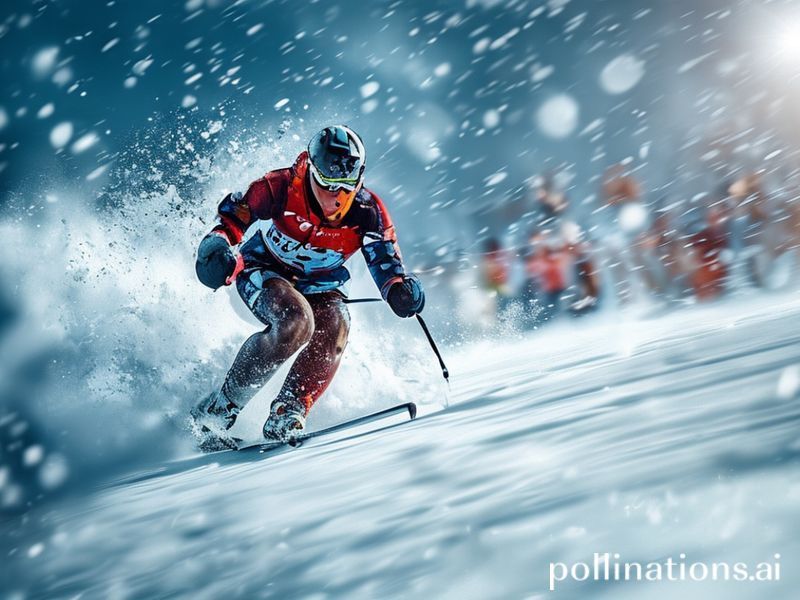
Klaebo: The King of Cross-Country Skiing Taking the Internet by Storm
### Klaebo: The Reigning King of Cross-Country Skiing and Why He’s Trending Globally
If you’ve scrolled through social media lately and found yourself bombarded with hashtags like #Klaebo and #SkiingGoals, you’re not alone. Johannes Høsflot Klæbo, the Norwegian cross-country skiing sensation, has become a global phenomenon, not just for his athletic prowess but for his ability to capture hearts and minds in the age of social media. So, what’s the deal with this guy, and why is he suddenly trending like a viral meme? Strap on your skis, folks; we’re diving into the cultural context, social impact, and significance of Klæbo’s meteoric rise to fame.
Born in 1996 in Trondheim, Norway, Klæbo’s journey began like many great stories: with a passion for the sport and a fierce competitive spirit. He burst onto the international scene during the 2017 FIS World Cup, and from there, it was like watching a snowball roll down a hill—gaining momentum, speed, and a whole lot of attention. By the time the 2022 Winter Olympics rolled around, Klæbo had already racked up multiple World Cup victories and Olympic medals, cementing his status as a cross-country skiing icon.
But what sets Klæbo apart from other athletes? It’s not just his record-breaking performances; it’s his relatability. In an age where athletes often come off as untouchable, Klæbo has managed to maintain a down-to-earth persona. His social media presence is a delightful mix of training montages, goofy selfies, and candid moments that remind followers he’s just a regular guy who happens to be exceptionally good at skiing. This authenticity resonates with fans and has transformed him into a relatable icon for the younger generation.
Culturally, Klæbo represents more than just a successful athlete; he embodies the spirit of Norway, where skiing is not just a sport but a way of life. For many Norwegians, cross-country skiing is a cherished tradition, passed down through generations. Klæbo has effectively become a symbol of national pride, much like how soccer players are revered in other countries. His successes on the world stage have rekindled interest in winter sports and encouraged a new wave of young athletes to take up skiing, fostering a sense of community and shared passion.
Socially, Klæbo’s influence extends beyond the slopes. His athletic achievements have sparked conversations about mental health in sports, physical fitness, and the importance of supporting young athletes. In a world where the pressure to succeed can lead to burnout, Klæbo advocates for balance and enjoyment in sports. His candid discussions about the challenges of competition and the joy of skiing have resonated with many, making him a role model not just for aspiring athletes but for anyone navigating the pressures of life.
Moreover, Klæbo’s recent feats, including his impressive performances in the ongoing World Cup season, have reignited the global interest in winter sports. As people look for inspiration and motivation, Klæbo has become the face of a new era in skiing, one that embraces both competitive excellence and a love for the sport. His viral moments—whether it’s a nail-biting finish or a playful interaction with fans—have made him a staple in the digital consciousness, ensuring that he remains relevant in the fast-paced world of internet culture.
In conclusion, Johannes Klæbo is not just a world-class athlete; he’s a cultural phenomenon. His rise to fame highlights the intersection of sports and social media, demonstrating how authenticity and relatability can create lasting connections with fans. As he continues to dominate the slopes and inspire a new generation of skiers, it’s clear that Klæbo is not just a name to remember; he’s a symbol of what it means to be passionate, relatable, and exceptionally talented in today’s world.