Why Emily Brontë is the Gothic Queen of the Internet Era
**Emily Brontë: The Timeless Rebel Who’s Back in Vogue**
In a world where TikTok dances and viral memes dominate, it’s a bit surprising to see the name Emily Brontë trending globally. Yes, the 19th-century novelist known for her dark, moody landscapes and tumultuous love stories is back in the spotlight, and there’s more than just a sudden literary revival at play. So, why is this gothic queen of the moors making waves in our modern digital age? Let’s dig into the cultural context and social impact of Brontë’s resurgence, shall we?
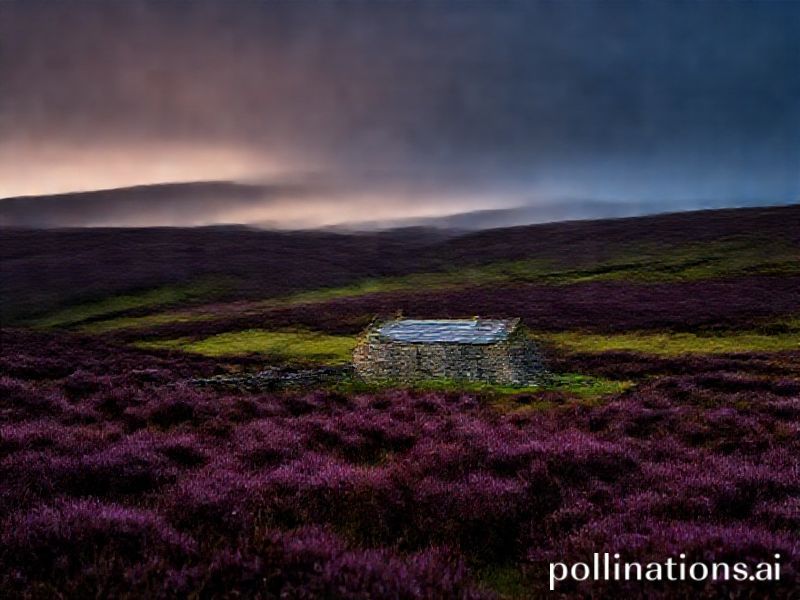
First off, let’s set the scene. Emily Brontë, the reclusive genius behind the haunting classic *Wuthering Heights*, was a true rebel of her time. She defied societal norms, choosing a life of solitude in the Yorkshire moors rather than the expected roles of wife or mother. Her work, characterized by its raw emotion and complex characters, was groundbreaking. Fast forward to today, and the themes she explored—love, betrayal, and the struggle against societal constraints—are as relevant as they ever were.
The current trend can be traced back to a combination of factors. On one hand, there’s the surge of interest in classic literature, often fueled by social media platforms like BookTok, where avid readers share reviews and recommendations in bite-sized videos. Thanks to these platforms, younger generations are rediscovering Brontë’s work, which has led to a spike in book sales and a newfound appreciation for her literary genius.
Moreover, the recent adaptations of Brontë’s work have brought her stories to a broader audience. From the lush, atmospheric films to modern retellings, her narratives resonate with those who find themselves caught between the pressures of societal expectations and their own desires. The allure of *Wuthering Heights*, with its tempestuous romance and the iconic figure of Heathcliff, remains a source of fascination, sparking countless discussions online.
But it’s not just about the books or the adaptations; it’s about the conversations they ignite. Brontë’s exploration of mental health, identity, and the human condition is incredibly relevant in a time when these topics are at the forefront of societal dialogue. The moody landscapes of her novels can be seen as a metaphor for the turbulent emotions many experience today. Just as Brontë penned her struggles into her pages, today’s readers are finding solace in her words and a connection to their own life experiences.
Social media has also played a pivotal role in this resurgence. Memes depicting Heathcliff as the ultimate “emo boyfriend” or quotes from *Wuthering Heights* being shared as relatable captions are making Brontë’s work accessible and appealing to a younger audience. The juxtaposition of her dark themes against the bright and often humorous backdrop of internet culture creates a fascinating blend that keeps her relevant.
Moreover, discussions around feminism are bringing Brontë’s work back into focus. In an age where women are reclaiming their narratives, Emily’s story is a powerful reminder of the struggles women have faced throughout history and the importance of their voices. Feminist literary critiques are highlighting how her work challenges patriarchy and explores female agency, making Brontë not just a relic of the past but a beacon for future generations.
In conclusion, Emily Brontë is trending globally not just because of a nostalgic revival but due to her profound cultural relevance in today’s society. Her exploration of the human experience resonates deeply with modern audiences, making her a timeless figure in literature. As we continue to grapple with the complexities of love, identity, and societal expectations, Brontë’s words remind us that we’re not alone in our struggles. So, whether you’re a long-time fan or a newcomer, now’s the perfect time to dive into her world and perhaps find a little piece of yourself among the windswept moors of *Wuthering Heights*.