Aloha or Adios? The Global Buzz Around Hawaii’s Severe Weather
**Severe Weather in Hawaii: The Aloha Spirit Meets Mother Nature’s Fury**
When you think of Hawaii, images of sun-soaked beaches, hula dancing, and luaus probably come to mind. But lately, the islands have been grappling with a different kind of vibe—one that’s less about surfboards and more about storm clouds. Severe weather in Hawaii has been trending globally, and it’s not just because of the gorgeous Instagram shots of rain-soaked palm trees. Let’s dive into why this topic has captivated audiences worldwide, explore its cultural context, and examine the social impact of these extreme weather events.
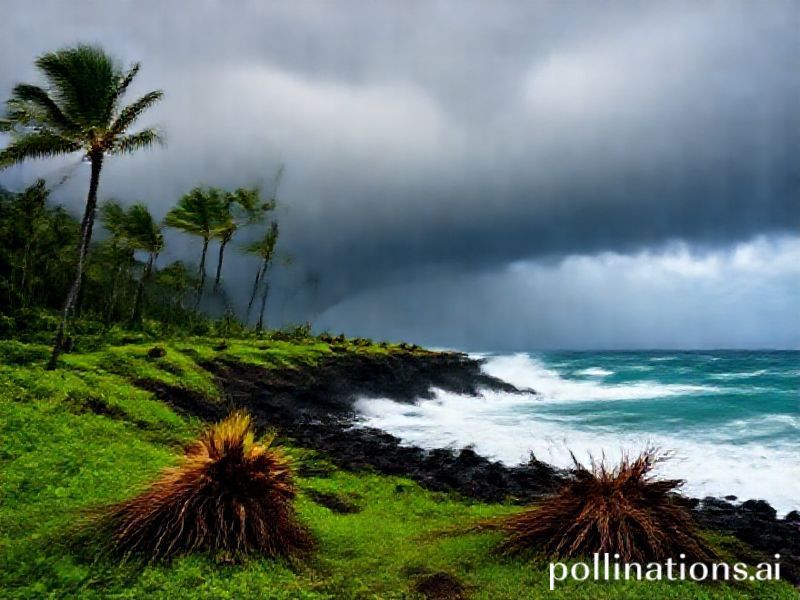
First off, let’s talk about the weather itself. Hawaii has always been known for its tropical climate, but in recent months, the islands have seen an uptick in severe weather events, including heavy rains, flash floods, and even rare occurrences of hurricanes. These phenomena are not just an inconvenience; they have serious implications for local communities. The Hawaiian Islands are particularly vulnerable due to their geography, which can amplify the effects of climate change. Rising sea levels and increased storm intensity are causing alarm, as they threaten not only the environment but also the local economy, which heavily relies on tourism.
Now, why is this trending? Well, in an age where the world is increasingly interconnected, news travels fast—especially when it comes to natural disasters. Social media platforms are flooded with real-time updates, videos of raging waters, and heart-wrenching stories of displaced families. The hashtag #HurricaneHawaii has been circulating faster than a viral TikTok dance, drawing attention from influencers and news outlets alike. This phenomenon underscores a growing global awareness of climate issues, as people realize that extreme weather can no longer be confined to “someone else’s backyard.”
Culturally, the impact of severe weather in Hawaii is profound. The Hawaiian culture is deeply tied to the land and ocean, with a spiritual connection that goes beyond mere tourism. The islands are home to unique ecosystems and traditional practices that are now at risk. The concept of “Aloha” extends beyond greetings; it embodies a spirit of caring for one another and the environment. As severe weather disrupts daily life, this spirit is being tested. Communities are coming together to support one another, demonstrating resilience in the face of adversity. Local organizations are mobilizing to offer aid, as social media becomes a lifeline for those in need.
Moreover, the current climate crisis has ignited discussions about sustainability and environmental stewardship. Hawaii has been a leader in renewable energy initiatives, but the challenges posed by severe weather are prompting a reevaluation of strategies. Are we doing enough to protect our islands? The answer is becoming increasingly clear: more needs to be done. This is not just a local issue; it resonates globally, as nations grapple with their own environmental challenges. Hawaii serves as a crucial case study in how communities can adapt and respond to the changing climate.
In conclusion, the trending topic of severe weather in Hawaii is more than just a headline; it’s a reflection of our times. As we scroll through our feeds, it’s essential to remember that behind every viral post is a community facing real challenges. The resilience of the Hawaiian people, coupled with a growing global awareness of climate issues, is a call to action for us all. Whether you’re in the islands or miles away, we can all take part in the conversation about climate change, sustainability, and the importance of looking out for one another. After all, if the Aloha spirit can endure the storms, so can we.