Apprenticeships: The Comeback Kid of the Global Workforce
# Apprenticeships: The Comeback Kid of the Global Workforce
In a world where the phrase “experience required” looms large over job descriptions like an ominous cloud, apprenticeships are riding in like a knight in shining armor. These programs, which marry practical training with real-world work experience, are trending globally, and for good reason. As we navigate through the post-pandemic job market, it seems everyone—from high school graduates to seasoned professionals—wants a piece of the apprenticeship pie.
### Cultural Context: Bridging Generations
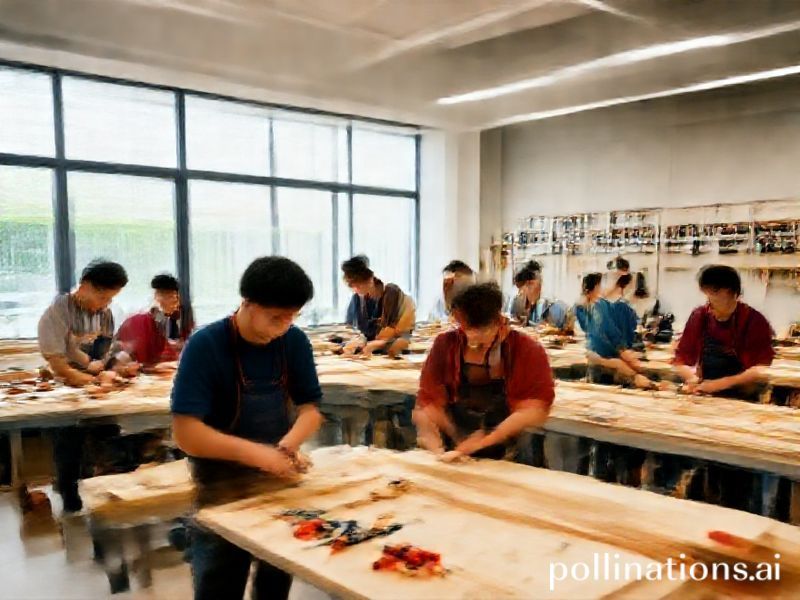
Let’s rewind to the days of yore, when apprenticeships were the bread and butter of vocational training. Picture a young blacksmith learning the ropes (or, should we say, the anvils) from a master craftsman. Fast forward to today, and the concept is making a grand comeback, albeit with a modern twist.
In cultures where traditional education is king—think of the U.S. and much of Europe—there’s a growing realization that college degrees aren’t the only ticket to success. Countries like Germany have long embraced apprenticeships as a vital component of their economy. The dual system of vocational training allows students to split their time between classroom learning and hands-on experience, and guess what? It’s working! Young people are entering the workforce not just with theoretical knowledge but with the practical skills employers crave.
### Social Impact: A Win-Win for Everyone
The rise of apprenticeships is not just a trend; it’s a potential game-changer for social mobility. In an age where student debt looms like a dark cloud over millennials and Gen Z, apprenticeships offer an alternative route that’s often more affordable and directly linked to employment.
Consider this: apprentices can earn while they learn, reducing the financial burden of education. And for employers, hiring apprentices means they can train future employees in their specific methodologies, creating a workforce that’s not just skilled but tailored to their needs. It’s a win-win that could revolutionize hiring practices across industries.
Moreover, as businesses grapple with labor shortages—particularly in skilled trades—apprenticeships are stepping up to fill the gaps. The construction, healthcare, and tech sectors are particularly keen on this model, as they battle to find qualified workers. This shift is not just about filling positions; it’s about creating a sustainable workforce that can adapt to the rapid changes of the modern economy.
### Significance: A Shift in Mindset
What makes apprenticeships significant today is their ability to challenge the status quo of education and employment. The pandemic has forced many to rethink their career pathways, and with remote work becoming the norm, the traditional 9-to-5 office job is no longer the only option.
Additionally, the rise of technology and the gig economy has blurred the lines between employment and freelancing, making apprenticeships a viable alternative for those looking to diversify their skill sets. Whether it’s coding, graphic design, or culinary arts, there’s an apprenticeship for almost everyone.
This trend also aligns with a broader cultural shift towards valuing skills over degrees. With the advent of social media and platforms like TikTok, young people are showcasing their skills in ways that were previously unimaginable. Influencers are now not just sharing their lives but also their crafts, inspiring a generation to pursue hands-on learning.
### Conclusion: The Future is Bright for Apprenticeships
As we look to the future, it’s clear that apprenticeships are more than just a trend; they’re a vital part of the evolving workforce landscape. With their ability to provide practical skills, foster social mobility, and fill critical labor gaps, they’re proving to be a key player in the global economy. So, whether you’re a fresh-faced school leaver or a career changer, the world of apprenticeships is waiting for you—just don’t forget your hammer and chisel!