Warehouse Wonders: Why This Global Trend is Storing More Than Just Goods
**Warehouse Wonders: Why This Global Trend is Storing More Than Just Goods**
Ah, the warehouse—a place that once conjured up images of dusty crates and unmarked boxes has suddenly become a hot topic across the globe. But what gives? Why are we talking about warehouses like they’re the newest TikTok dance craze or the latest Netflix series? Let’s dive into the cultural context, social impact, and the significance of this trending topic.
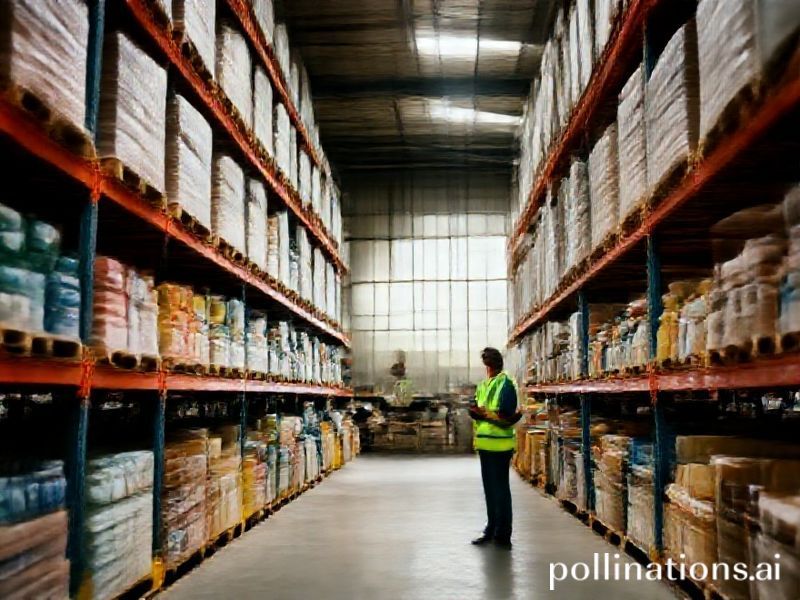
First off, let’s unpack the cultural zeitgeist. The pandemic has radically altered how we interact with the world around us. With online shopping skyrocketing and the rise of e-commerce giants, warehouses have morphed from mere storage facilities into the backbone of our modern shopping experience. No longer just a place to house inventory, they have become critical nodes in a web of logistics that keeps our online shopping carts filled. Think of them as the unsung heroes of the retail world, working tirelessly while we sip our lattes and scroll through Instagram.
But it doesn’t stop there. Warehouses have also become cultural symbols of the gig economy. With the rise of delivery services and freelance logistics work, they represent a new form of employment that resonates with a generation yearning for flexibility. Gone are the days when a 9-to-5 job was the only option—today, many prefer the hustle of gig work, and warehouses are at the forefront of this shift. The allure of working from anywhere (or, in this case, everywhere) has turned warehouses into modern-day gold mines for those looking to cash in on the ever-growing demand for fast delivery services.
On a social level, the warehouse trend brings up some serious conversations about labor conditions and the gig economy. As companies rush to keep up with consumer demand, the treatment of warehouse workers has come under scrutiny. Reports of grueling hours, unrealistic quotas, and unsafe working conditions have ignited discussions on social media, leading to calls for better labor practices. This is where the internet culture comes into play—memes, tweets, and TikToks have become platforms for advocacy, allowing warehouse workers to share their stories and gain support from the broader community.
Let’s not forget the environmental impact, either. As we’ve become more conscious of our carbon footprints, the logistics of how goods are stored and delivered are under the microscope. Warehouses are now exploring sustainable practices, from energy-efficient systems to eco-friendly packaging. The trend isn’t just about goods anymore; it’s about how we can store and move those goods responsibly. Social media influencers are even getting in on the act, using their platforms to promote eco-conscious brands that prioritize sustainability in their warehouse operations.
But why is this topic significant? For starters, warehouses represent a shift in how we think about consumption. In an era where instant gratification is king, the ability to get what we want delivered to our doorsteps in record time has changed our shopping habits forever. This shift has broader implications for the economy, labor markets, and even environmental policies.
Moreover, warehouses are a reflection of our times—a blend of technology, culture, and economics. They symbolize the intersection of convenience and consciousness, where the demand for speed meets the need for sustainability. As we continue to navigate this brave new world, understanding the role of warehouses will be crucial in shaping future discussions about consumerism and labor rights.
In conclusion, warehouses are more than just storage spaces; they are cultural icons of our modern age. As they evolve in response to global trends, they reveal much about our values, our economy, and the future we’re building. So, the next time you click “buy now,” take a moment to appreciate the complex web of logistics that makes it all possible. Who knew something so mundane could be so fascinating?