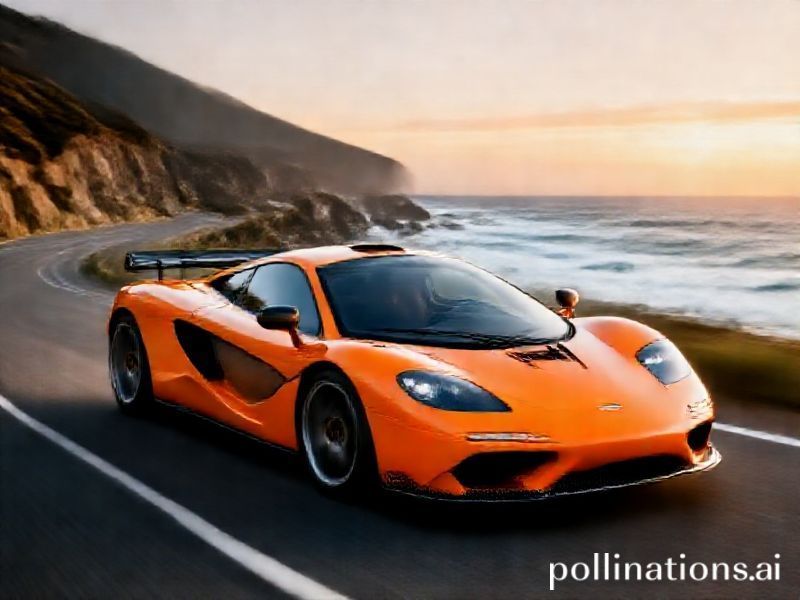
Why the McLaren F1 is Back in the Fast Lane of Global Trends
# The McLaren F1: A Timeless Icon Revving Up Global Trends
If you’ve been scrolling through social media lately and noticed a flurry of posts featuring a sleek, low-slung supercar that looks like it just dropped from a different dimension, you’re not alone. The McLaren F1, that legendary hypercar from the ’90s, is trending globally, and it’s not just because it’s a stunning piece of engineering. This automotive marvel is revving up conversations about nostalgia, cultural significance, and, yes, even social impact. Let’s dive into why this iconic vehicle is capturing the collective imagination of car enthusiasts and casual browsers alike.
### The Cultural Context: A Legacy of Speed
The McLaren F1 was launched in 1992, and it was nothing short of revolutionary. Designed by the brilliant Gordon Murray, this beauty was the first production car to use a carbon-fiber monocoque chassis, making it lighter and faster than its competitors. With a top speed of 240 mph, it held the title of the world’s fastest production car for a decade—a claim that made it a poster child for speed demons everywhere.
Fast forward to today, and the F1 is more than just a car; it’s a cultural artifact. The rise of nostalgia-driven content on platforms like TikTok and Instagram has led to a resurgence of interest in ’90s pop culture, including fashion, music, and, of course, automobiles. The McLaren F1 fits perfectly into this trend, reminding us of a time when cars were not just modes of transport but symbols of freedom and luxury.
### Social Impact: More Than Just a Dream Machine
The McLaren F1 isn’t just a relic of automotive history; it has also made a significant impact on social media and influencer culture. Celebrities and influencers are often seen posing with this automotive masterpiece, showcasing it as the ultimate flex. It’s no surprise that this trend has turned the McLaren F1 into a beacon for aspiring car collectors and enthusiasts, who dream of one day owning a piece of this automotive history.
Moreover, the F1 has become a staple in car-related content on platforms like YouTube, where creators dissect its engineering marvels, review its performance, and, of course, take it for a spin. Channels like “Harry’s Garage” and “Carwow” have garnered millions of views showcasing this beauty, creating a community of enthusiasts who appreciate the F1 not just for its speed but for its design and engineering prowess.
### The Significance: Why It Matters Now
So, why is the McLaren F1 trending now? In a world increasingly focused on sustainability and electric vehicles, the F1 stands as a stark reminder of raw power and unadulterated performance. It sparks conversations about the future of automotive engineering while simultaneously celebrating the past. The resurgence of interest in the F1 coincides with a growing fascination with classic cars, as collectors seek to invest in timeless pieces that have proven their worth.
Furthermore, the F1 has become a cultural touchstone in discussions about the future of supercars. As automakers pivot towards electric vehicles, the roar of a V12 engine and the thrill of a manual transmission become nostalgic echoes of a bygone era, reminding us of the visceral thrill that only a car like the F1 can provide.
### Conclusion: A Timeless Classic in a Changing World
As the McLaren F1 continues to trend across social media and online forums, it becomes clear that this is more than just a car; it’s a symbol of what automotive excellence once was, and perhaps what it can be again. In a world racing towards electric innovations, the F1 serves as a reminder of the joy of driving and the artistry of engineering. So, whether you’re a die-hard fan or just a curious observer, the McLaren F1 is here to remind us all of the thrill of the chase, both on the road and in life.