Brain Gains: Why Cognitive Training for Dementia is the Trend We All Need
### Cognitive Training for Dementia: Exercising Your Brain to Keep It in the Game
In a world where we’re all trying to keep our minds sharp—whether it’s through Sudoku, crosswords, or just trying to remember where we left our keys—cognitive training for dementia is trending like a viral cat video. With the global population aging and more people facing the specter of cognitive decline, it’s no surprise that interest in this topic has surged. But what’s behind the buzz? Let’s dive into the cultural context, social impact, and significance of cognitive training in the battle against dementia.
First off, let’s address the elephant in the digital room: dementia isn’t just a “grandma problem.” As the baby boomer generation ages, the number of individuals affected by cognitive impairment is projected to rise significantly. In fact, the World Health Organization estimates that around 55 million people worldwide are living with dementia, a number that could skyrocket to 78 million by 2030. This looming crisis has sparked a collective consciousness around brain health, making cognitive training a hot topic for families, caregivers, and the health industry alike.
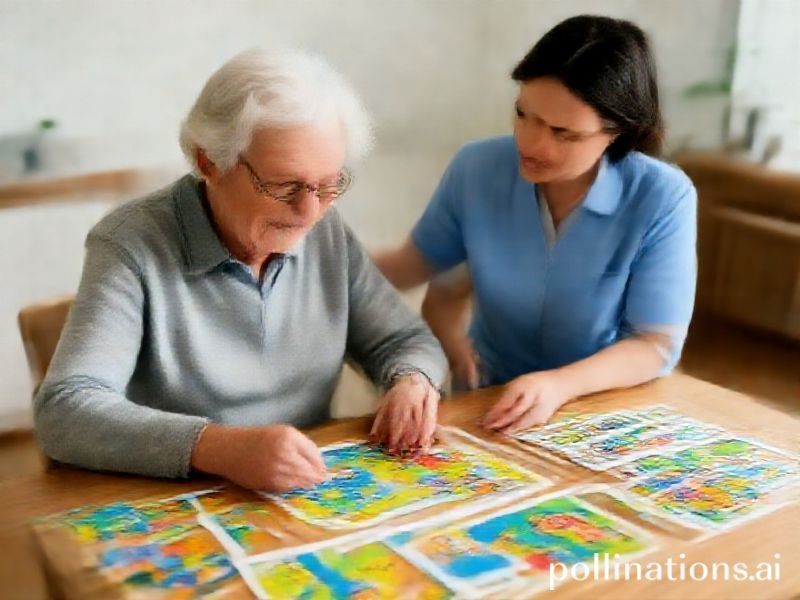
Cognitive training encompasses a range of activities designed to enhance mental functions such as memory, attention, and problem-solving. Think of it as a gym membership for your brain—who wouldn’t want to flex their cognitive muscles? Activities can include everything from brain games and puzzles to memory exercises and even engaging in social activities. The idea is that just like physical exercise can keep our bodies healthy, mental workouts can potentially reduce the risk of dementia or slow its progression.
Social media is buzzing with success stories of individuals who have seen improvements in their cognitive abilities through these training programs. Platforms like TikTok and Instagram have become hotbeds for sharing brain-boosting tips and tricks, creating a supportive community that encourages mental fitness. Hashtags like #BrainGains and #CognitiveTraining are gaining traction as users swap their favorite exercises and celebrate their small victories. This surge of online engagement is not only raising awareness but also helping to destigmatize conversations around cognitive decline, making it easier for families to discuss these issues openly.
But why does cognitive training resonate so strongly in today’s culture? It’s likely a combination of factors. For one, the rise of wellness culture has made people increasingly aware of the importance of mental health. As mindfulness practices and self-care routines become mainstream, cognitive training fits seamlessly into the narrative of holistic health. Moreover, the gamification of learning—where tasks are turned into enjoyable challenges—makes the idea of cognitive training appealing to a broader audience. Who wouldn’t want to play brain games instead of staring at a spreadsheet?
The significance of this trend goes beyond personal benefits; it touches on social responsibility. As more people engage with cognitive training, there’s a growing recognition of the need for accessible resources and community support for those affected by dementia. Governments and organizations are beginning to invest in research and public health initiatives aimed at promoting brain health awareness. This shift encourages a proactive approach to cognitive decline, emphasizing prevention rather than just reaction.
In conclusion, cognitive training for dementia is more than just a trending topic; it’s a cultural movement that reflects our collective desire to age gracefully and maintain our mental faculties. With the rise of digital communities and a growing emphasis on mental wellness, we’re witnessing a transformation in how society views cognitive health. As we embrace this trend, let’s remember that every brain workout counts—so grab that crossword, challenge a friend to a trivia contest, or dive into an online brain game. Your future self will thank you!