Luge Olympics: Why This Thrilling Sport is Zooming to the Top of Global Trends
**Luge Olympics: The Fast and the Curious of Winter Sports**
In the grand theater of the Winter Olympics, where snowflakes dance like confetti and athletes defy gravity, one sport seems to be stealing the spotlight this season: luge. Yes, that’s right—luge! The sport where athletes hurtle down icy tracks at jaw-dropping speeds, all while lying on their backs like a starfish in a lazy pool. It might seem niche, but luge is trending globally, and here’s why.
**The Thrill of Speed**
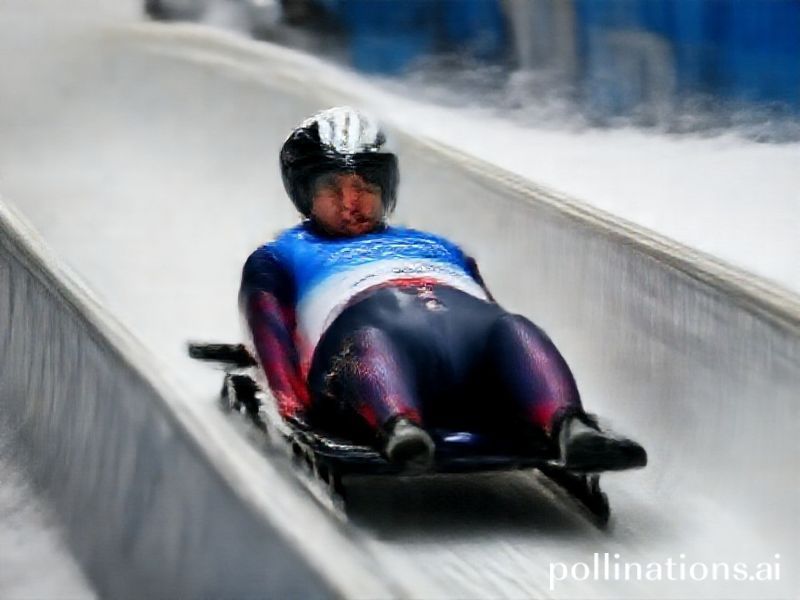
At its core, luge is the embodiment of adrenaline. With speeds reaching up to 90 miles per hour, it’s like riding a rollercoaster without the safety harness—or the lines. The thrill of watching these athletes navigate the twists and turns of the track has captivated audiences worldwide. Social media platforms are buzzing with videos of competitors flying down the track, and with each race, viewers are left breathless, clutching their popcorn as if it were a life preserver.
The luge community has also embraced the digital age. TikTok challenges featuring athletes’ intense training regimens and behind-the-scenes glimpses of their lives are flooding our feeds. This has democratized the sport, making it accessible and relatable to younger audiences who might not have considered it before. Who knew that watching someone slide down a track could become a viral phenomenon?
**Cultural Context: The Underdog of Winter Sports**
Let’s face it—when you think of Winter Olympics, you might picture figure skating, skiing, or even the drama of curling. Luge often gets overshadowed by these more glamorous sports, making it the underdog of the Winter Games. Yet, this very underdog status is what makes it so appealing. Fans love to root for the unexpected hero, and luge athletes are often the unsung heroes of the icy slopes.
Culturally, luge represents a blend of tradition and innovation. Originating in the late 19th century in the Alps, the sport has evolved with technology and training methods. From wooden sleds to high-tech designs, the evolution of the luge reflects broader societal advancements. It’s a microcosm of how culture adapts and thrives, even in the coldest of conditions.
**Social Impact: Uniting Nations and Inspiring Generations**
The luge Olympics are not just about speed; they symbolize unity. Athletes from diverse backgrounds come together, representing their countries on an international stage. These games foster a sense of global camaraderie, breaking down barriers as nations cheer for their competitors. In a world that sometimes feels divided, watching a luge race can be a reminder that we all have something in common: the thrill of competition and the love for our nations.
Moreover, the impact on younger generations cannot be overstated. As kids watch their luge heroes zoom past the finish line, they are inspired to dream big, whether that means pursuing a career in sports or simply embracing the idea of pushing their limits. The accessibility of the sport—thanks to viral videos and social media—means that more children are picking up sleds and dreaming of Olympic glory.
**Conclusion: The Icy Allure of Luge**
As the Winter Olympics continues to unfold, the luge has emerged not just as a sport, but as a cultural phenomenon. It’s a thrilling blend of speed, tradition, and international spirit that resonates with audiences around the globe. So, whether you’re a die-hard fan or a casual observer, it’s time to grab your hot cocoa and tune in. Because when it comes to luge, the only thing faster than the sled is the way it’s captured our hearts—and our social media feeds.