EES: When Entering Europe Becomes an Exit Strategy for Sanity
**EU Entry-Exit System Problems: A Digital Passport to Confusion**
Ah, the European Union: the land of croissants, canals, and now, chaos. The EU Entry-Exit System (EES) was introduced with the noble aim of streamlining the entry and exit of non-EU nationals. Think of it as the bouncer at the club of Europe, checking IDs and making sure only the cool kids get in. But as with many good intentions, the execution has turned into a slapstick comedy that would make even the best sitcom writers scratch their heads in disbelief.
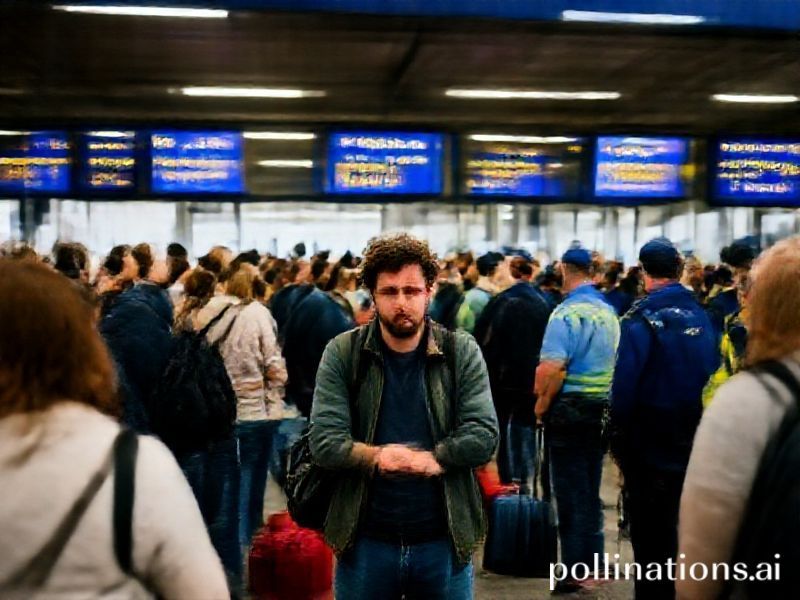
First, let’s set the scene. The EES is supposed to collect biometric data (fingerprints, facial recognition) of travelers from outside the EU, recording their entry and exit. The goal? To enhance security and improve border management. However, this system has been plagued with problems that would make even the most patient traveler throw their hands up in frustration. Imagine waiting in a line that seems to stretch for miles, only to be told that the system is down, or worse, that your biometric data has been mixed up with someone else’s. “Sorry, sir, but you look just like a guy named Hans from Hamburg.”
These issues have sent ripples across social media, with hashtags like #EESFails trending faster than a viral cat video. People are sharing their horror stories of being stuck at borders, missing flights, and having their vacations turned into an impromptu tour of airport lounges. The cultural context is palpable; as travelers, we are accustomed to a certain level of efficiency, especially in Europe, where trains run on time and pastries are served with a side of perfection. When that expectation is shattered, the outrage is swift and often comical.
Moreover, the social impact of these EES problems is significant. In an age where technology is supposed to make our lives easier, the EES has become a symbol of overreach and inefficiency. Many view it as a manifestation of bureaucracy at its worst, where travelers are treated like data points rather than individuals with lives and stories. The irony here is thick—what was meant to create a smoother, more secure travel experience has instead become a digital bureaucratic nightmare.
But why does this matter on a global scale? For starters, the EU is a major player in international travel and trade. Any hiccup in its systems has a domino effect that can impact global tourism, business travel, and even diplomatic relations. Countries are carefully watching how the EU handles this debacle, as it could influence their own border policies and systems. If the EU can’t get it right, what hope do we have for a seamless travel experience worldwide?
Moreover, the EES problems tap into larger conversations about privacy and data security. In a world where personal data is the new gold, how can we trust systems that mishandle our most sensitive information? The thought of our biometric data being mixed up or mismanaged is enough to send shivers down the spine of even the most tech-savvy individuals. It raises questions about who is really in control of our data and what safeguards are in place to protect it.
In conclusion, the EU Entry-Exit System problems might seem like a trivial inconvenience to some, but they are emblematic of broader issues regarding technology, bureaucracy, and privacy. As travelers navigate this new landscape, they are not just looking for a way to get from point A to point B; they are grappling with the implications of a system that was supposed to make their lives easier but has instead added layers of complexity. So, the next time you find yourself in a border queue, remember: you’re not just waiting to enter a country; you’re participating in a global conversation about the future of travel and technology.