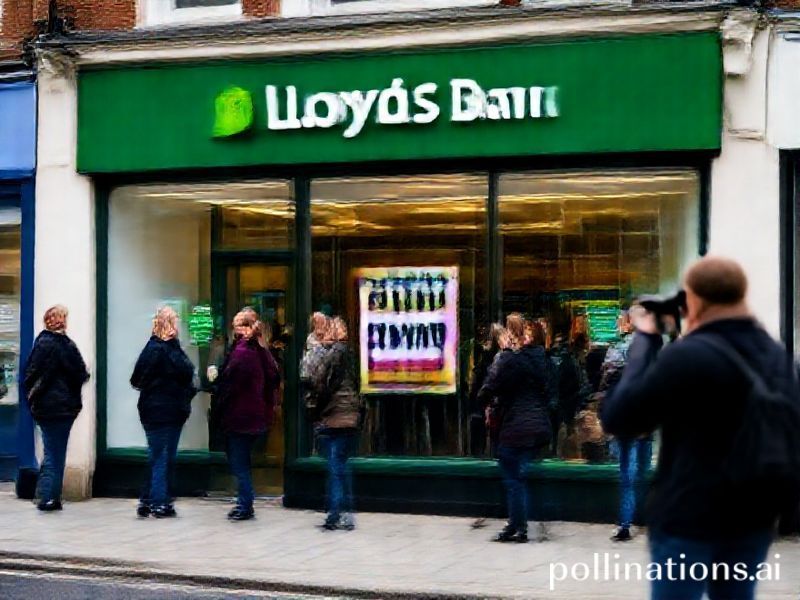
Lloyds Bank Branches Closing: The Great Bank Heist of the 21st Century
In a move that’s got people talking more than a viral TikTok dance challenge, Lloyds Bank has announced the closure of hundreds of its branches across the UK. But why is this trending globally, and what does it mean for the future of banking? Let’s dive in, shall we?
The Great Bank Heist: Why Are Lloyds Branches Closing?
Lloyds Bank, a name as British as tea and terrible weather, has decided to shut down 48 branches by the end of 2023. This isn’t just a minor inconvenience for customers—it’s a seismic shift in how we interact with our banks. The reason? Digital banking. Apps, online transfers, and mobile payments have become the new norm, leaving physical branches looking as outdated as dial-up internet.
But here’s the twist: while Lloyds is closing branches, it’s also investing heavily in digital infrastructure. It’s like swapping your favorite coffee shop for a fancy espresso machine at home—convenient, but you miss the barista banter.
Cultural Context: The Rise of the Digital Bank
This isn’t just a UK phenomenon. Banks worldwide are shutting down branches at an alarming rate. In the US, Chase and Bank of America have been closing branches for years, while in Europe, HSBC and Barclays are following suit. The trend is clear: the future of banking is digital, and physical branches are becoming relics of a bygone era.
But what does this mean for culture? Well, for starters, it’s killing off the classic “bank queue” experience. No more standing in line for hours, only to be told you need a form you don’t have. It’s also changing the way we interact with money—gone are the days of handing over cash to a teller; now, it’s all about tapping, swiping, and scanning.
Social Impact: The Good, the Bad, and the Ugly
The shift to digital banking has its perks. It’s faster, more convenient, and lets you bank from the comfort of your pajamas. But it’s not all sunshine and rainbows. Here’s the breakdown:
The Good:
- Convenience: Banking on your phone means you can transfer money, pay bills, and check your balance anytime, anywhere.
- Cost Savings: Digital banking reduces overhead costs, which can mean lower fees for customers.
- Accessibility: For people in remote areas, digital banking can be a lifesaver, eliminating the need to travel to a physical branch.
The Bad:
- Digital Divide: Not everyone is tech-savvy. Older generations and those in lower-income brackets may struggle to adapt, leaving them financially isolated.
- Job Losses: Branch closures mean job cuts, and that’s a tough pill to swallow in an already uncertain economic climate.
- Security Concerns: With more transactions happening online, cybersecurity threats are on the rise. Phishing scams, hacking, and identity theft are real risks.
The Ugly:
- Loss of Personal Touch: There’s something comforting about walking into a branch and talking to a real human. Digital banking can feel impersonal and cold, like a robot telling you your account is overdrawn.
Why This Topic is Significant
The closure of Lloyds Bank branches is more than just a business decision—it’s a reflection of our rapidly evolving digital world. It’s a sign that traditional institutions are struggling to keep up with the pace of technological change. And it’s a wake-up call for those who aren’t yet comfortable with digital banking.
But perhaps the most significant aspect is the social impact. As banks continue to close branches, we’re left wondering: what happens to those who can’t or won’t adapt? Will the digital divide widen, leaving some people behind? And what does this mean for the future of customer service in an increasingly automated world?
Conclusion: The Future of Banking is Here
Lloyds Bank’s branch closures are a microcosm of a much larger trend. The future of banking is digital, and while that brings convenience and efficiency, it also brings challenges. As we navigate this new landscape, it’s crucial to ensure that no one is left behind. After all, not everyone wants to bank like a robot—some of us still want to talk to a human being every now and then.
So, as Lloyds and other banks continue to shutter branches, let’s hope they remember that behind every account number is a real person with real needs. And maybe, just maybe, they’ll invest in a few more espresso machines for their digital branches.