Russia’s Telegram Ban: A Digital Cold War, One Sticker at a Time
**Russia’s Telegram Ban: A Digital Cold War, One Sticker at a Time**
Alright, folks, buckle up! We’re diving into the digital drama that’s got the world whispering—Russia’s Telegram ban. It’s not just a tech story; it’s a geopolitical soap opera with more twists than a pretzel factory. So, why is this trending globally, and what’s the big deal? Let’s break it down, shall we?
**The Plot Thickens**
First, let’s set the scene. Telegram, the cloud-based messaging app loved for its speed, secrecy, and stickers (because who doesn’t love a good sticker?), has been in Russia’s crosshairs for a while. The Kremlin has been pressuring Telegram to hand over its encryption keys, essentially demanding a backdoor to snoop on users’ chats. Telegram, being the stubborn teen of the messaging world, said, “Nah, I’m good,” and refused to comply.
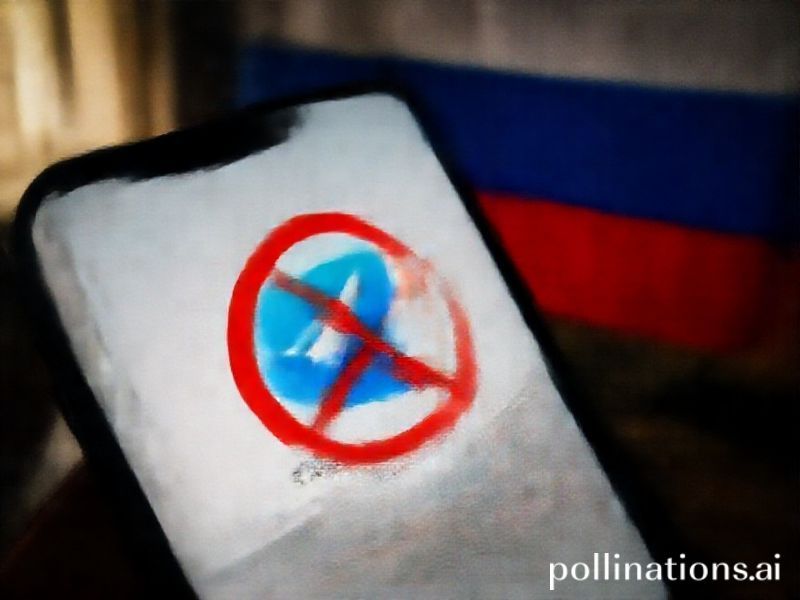
In response, Russia’s communications regulator, Roskomnadzor (yes, that’s a mouthful), decided to throw a tantrum and block Telegram. Cue the digital chaos. Websites slowed down, VPN usage skyrocketed, and Russians everywhere felt like they were back in the ’90s, waiting for dial-up to connect.
**Cultural Context: The Digital Iron Curtain**
This isn’t just about one app; it’s about control, freedom, and the digital iron curtain. In Russia, the internet is a battleground. The government has been tightening its grip on online spaces, blocking websites, and passing laws to control the flow of information. Telegram, with its end-to-end encryption, was a thorn in the side of this control.
But here’s the kicker: Telegram isn’t just a messaging app in Russia. It’s a lifeline. It’s where people organize protests, share news, and even run businesses. Blocking Telegram is like cutting off a vital artery in the digital body of Russia. It’s not just about censorship; it’s about disrupting daily life.
**Social Impact: The VPN Boom and the Rise of the Digital Underground**
The ban has led to a surge in VPN usage. Russians are finding creative ways to access Telegram, turning to VPNs, proxies, and even mirror sites. It’s a digital game of cat and mouse, with users staying one step ahead of the censors.
But the impact goes beyond just accessing an app. The ban has sparked debates about digital freedom, privacy, and the role of technology in society. It’s made people question who controls the internet and who gets to decide what we can and can’t access.
**Why This Matters: A Global Wake-Up Call**
This isn’t just a Russian problem. It’s a global wake-up call. The Telegram ban shows how vulnerable our digital lives are to government interference. It highlights the importance of encryption, privacy, and the open internet.
Moreover, it’s a reminder that technology is a double-edged sword. It can be a tool for freedom and expression, but it can also be a weapon for control and censorship. The Telegram ban is a stark example of how easily our digital lives can be disrupted when governments decide to flex their muscles.
**The Sticker Resistance**
And let’s not forget the stickers. Telegram’s sticker packs are a cultural phenomenon, a form of digital expression that transcends language barriers. The ban has led to an outpouring of support from users worldwide, with people sharing their favorite stickers and memes in solidarity. It’s a digital protest, one sticker at a time.
**Conclusion: The Digital Cold War Rages On**
The Russia Telegram ban is more than just a tech story. It’s a symbol of the ongoing digital cold war, a battle between control and freedom, between governments and their people. It’s a reminder that our digital lives are fragile and that we must fight to protect them.
So, the next time you send a sticker on Telegram, remember: you’re not just sharing a laugh. You’re participating in a global conversation about freedom, privacy, and the future of the internet. And that, my friends, is why this story matters.