Tłusty Czwartek 2026: The Global Doughnut Trend You Can’t Ignore (And Shouldn’t Want To)
# **Tłusty Czwartek 2026: The Global Feast You Can’t Pronounce (But Should Definitely Try)**
In the vast, ever-changing landscape of internet trends, some things stand out like a perfectly fried doughnut in a sea of kale salads. Enter **Tłusty Czwartek 2026**, a term that’s been popping up on timelines, meme pages, and even in the DMs of your most culturally curious friends. But what is it, and why is the world suddenly obsessed with it?
### **What Is Tłusty Czwartek?**
For those who haven’t yet Googled it (or, more accurately, DuckDuckGo’d it), **Tłusty Czwartek** translates to “Fat Thursday” in English. It’s a Polish tradition that marks the last Thursday before Lent, a period of fasting and reflection in the Christian calendar. On this day, Poles indulge in **pączki** (Polish doughnuts) and other rich, delicious treats before the Lenten fast begins.
But why is this trending in 2026? Well, the internet has a way of turning even the most niche traditions into global phenomena. Thanks to social media, food influencers, and the universal love of fried dough, Tłusty Czwartek has become a viral sensation.
### **The Cultural Context: A Feast Before the Fast**
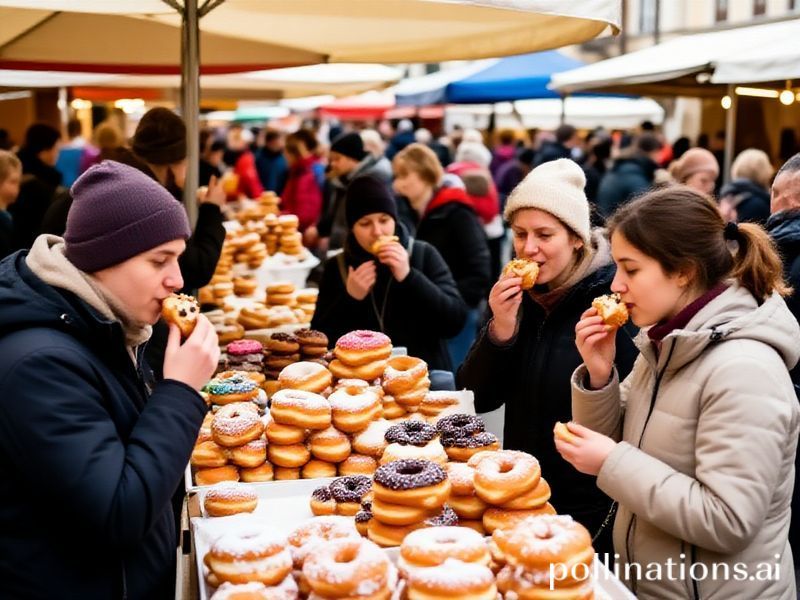
Tłusty Czwartek isn’t just about eating doughnuts—it’s about community, tradition, and the sheer joy of indulging before a period of restraint. In Poland, bakeries and cafes go all out, offering special editions of pączki filled with jam, custard, or even alcohol-infused creams. Lines form early, and the atmosphere is one of collective celebration.
But the trend isn’t just confined to Poland. Thanks to globalization and the internet’s love for all things food-related, Tłusty Czwartek has become a global event. From New York to Tokyo, people are embracing the tradition, whether by making their own pączki or simply enjoying the cultural exchange.
### **The Social Impact: A Meme-Worthy Movement**
The internet has turned Tłusty Czwartek into more than just a food trend—it’s a meme, a hashtag, and a cultural moment. Social media platforms are flooded with posts of people attempting to make pączki at home, often with hilarious (and sometimes disastrous) results. Memes about the struggle of resisting a second (or third) doughnut have gone viral, and food influencers are capitalizing on the trend by sharing recipes, reviews, and even “pączki challenges.”
But beyond the memes, Tłusty Czwartek has sparked conversations about cultural appreciation versus appropriation. While many people are genuinely excited to try something new, others are quick to point out the importance of respecting the tradition’s roots. The trend has also highlighted the universal love of food as a way to bring people together, regardless of language or background.
### **Why It Matters: A Celebration of Indulgence (And Internet Culture)**
At its core, Tłusty Czwartek 2026 is a celebration of indulgence—a reminder that sometimes, it’s okay to let loose and enjoy life’s simple pleasures. In a world that often feels overly serious, the idea of a global doughnut day is a refreshing break from the norm.
But more than that, it’s a testament to the power of the internet to turn local traditions into global phenomena. It’s a reminder that culture is fluid, ever-evolving, and deeply interconnected. And, of course, it’s a delicious excuse to eat more doughnuts.
### **Conclusion: The Sweet, Sweet Future of Tłusty Czwartek**
As we look ahead to Tłusty Czwartek 2026, one thing is clear: this trend isn’t going away anytime soon. Whether you’re a seasoned pączki enthusiast or a curious newcomer, there’s something for everyone in this global celebration of food, culture, and internet-driven fun.
So mark your calendars, dust off your aprons, and get ready to indulge. After all, life’s too short not to enjoy a good doughnut—or a great meme.
—