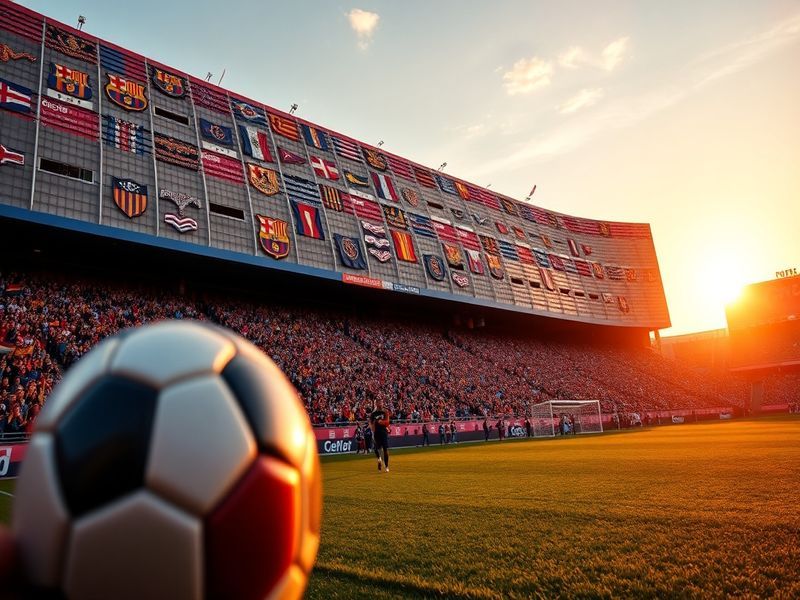
Barcelona’s Stadium Evolution: From Nou Camp to Camp Nou’s Transformation
The story of Barcelona’s stadium is one of ambition, identity, and architectural innovation. The club’s home ground, Camp Nou, has been more than just a venue for football—it has been a symbol of the city’s spirit and the club’s global influence. As Barcelona prepares for the final stages of its extensive renovation, the stadium’s evolution reflects broader changes in sports infrastructure, fan engagement, and urban planning. This transformation is not merely about modernizing facilities; it is about redefining how a stadium can serve its community and the sport itself.
Originally inaugurated in 1957, Camp Nou was designed to accommodate over 90,000 spectators, making it one of the largest stadiums in Europe at the time. Its sheer scale and iconic design quickly cemented its place as a landmark in Barcelona, mirroring the city’s growing influence in the 20th century. Over the decades, the stadium has witnessed historic moments, from Johan Cruyff’s arrival in the 1970s to Lionel Messi’s record-breaking goals. Yet, despite its storied past, Camp Nou faced challenges common to aging stadiums: outdated facilities, accessibility issues, and the need to meet modern UEFA standards. The decision to renovate, rather than relocate, underscores Barcelona’s commitment to preserving its heritage while embracing progress.
The Vision Behind Camp Nou’s Renovation
The renovation project, known as the “Espai Barça” initiative, represents one of the most ambitious stadium redevelopments in football history. At the heart of the project is the creation of a new “Camp Nou 2.0,” designed to blend seamlessly with the surrounding cityscape while enhancing the fan experience. The plans include lowering the pitch to bring spectators closer to the action, installing a retractable roof, and adding state-of-the-art amenities such as premium hospitality suites and advanced media facilities.
Architecturally, the renovation aims to preserve the stadium’s historic character while introducing contemporary elements. The facade will incorporate elements of the original design, including the distinctive vertical stripes that have defined Camp Nou for generations. Meanwhile, the interior will prioritize accessibility, with improved sightlines, wider concourses, and enhanced safety measures. These changes are not just about aesthetics; they reflect a broader shift in how modern stadiums are designed to be inclusive and sustainable spaces.
One of the most anticipated features of the renovated stadium is its integration with the local community. The Espai Barça project includes plans for a public park, commercial spaces, and even a museum dedicated to the club’s history. This holistic approach ensures that Camp Nou remains a hub for more than just matchdays, fostering year-round engagement with fans and residents alike. For those interested in exploring how stadiums can serve as community anchors, our sports section offers further insights into similar projects worldwide.
Challenges and Controversies
Despite the excitement surrounding the renovation, the project has not been without its hurdles. Delays, cost overruns, and legal challenges have tested the resolve of Barcelona’s leadership and fans. The COVID-19 pandemic further complicated the timeline, forcing delays and forcing the club to rethink its financial strategies. Critics argue that the project’s budget—estimated at over €1.5 billion—could have been allocated to strengthening the team on the pitch, particularly after a period of financial instability.
Another point of contention is the decision to keep the stadium in its current location rather than building a new one elsewhere. Proponents of relocation argued that a waterfront site could offer better connectivity and a more modern design. However, the club ultimately opted to renovate Camp Nou, citing its deep-rooted connection to the city and its fans. This choice highlights the tension between tradition and innovation, a theme that resonates across many historic institutions today.
The renovation has also sparked debates about the role of stadiums in the 21st century. With the rise of virtual experiences and esports, some question whether physical stadiums will remain relevant. Yet, Camp Nou’s transformation suggests otherwise. The club’s leadership envisions a future where the stadium is not just a venue for football but a multi-purpose space for concerts, cultural events, and community gatherings. This versatility could ensure Camp Nou’s longevity in an era where digital and physical experiences increasingly intersect.
What’s Next for Camp Nou and Barcelona?
As the renovation progresses, the focus shifts to the practical implications for fans and the club. The temporary displacement of matches during construction has been a significant inconvenience, but the long-term benefits are expected to outweigh the short-term disruptions. The club has committed to keeping fans at the center of the process, with regular updates and opportunities for input. This collaborative approach could serve as a model for other clubs undergoing similar transformations.
For football enthusiasts, the renovated Camp Nou promises an unparalleled experience. The new design will reduce the distance between the pitch and the stands, creating an intimate atmosphere even for the largest matches. The retractable roof will allow for year-round use, accommodating events beyond football. Meanwhile, the integration of advanced technology, such as augmented reality experiences for fans, could redefine how supporters engage with the game.
Beyond the stadium itself, the Espai Barça project is part of a larger urban renewal effort in Barcelona. The surrounding area, known as the “Nou Barça” district, is slated for redevelopment to include housing, retail spaces, and green areas. This holistic approach aligns with Barcelona’s reputation as a city that prioritizes sustainability and livability. For those interested in how sports infrastructure intersects with urban planning, our travel section explores similar initiatives in other cities.
Conclusion: A New Chapter for Camp Nou
The renovation of Camp Nou is more than a construction project; it is a reimagining of what a football stadium can be. By balancing tradition with innovation, Barcelona is setting a new standard for how clubs can honor their past while preparing for the future. The challenges faced along the way serve as a reminder of the complexities inherent in such large-scale projects, but the potential rewards—both for the club and the city—are immense.
As Camp Nou prepares to reopen its doors, the world will be watching not just as a stadium is unveiled, but as a new chapter in Barcelona’s story begins. For fans and observers alike, the transformation of Camp Nou offers a compelling case study in how heritage, ambition, and community can come together to create something truly extraordinary.