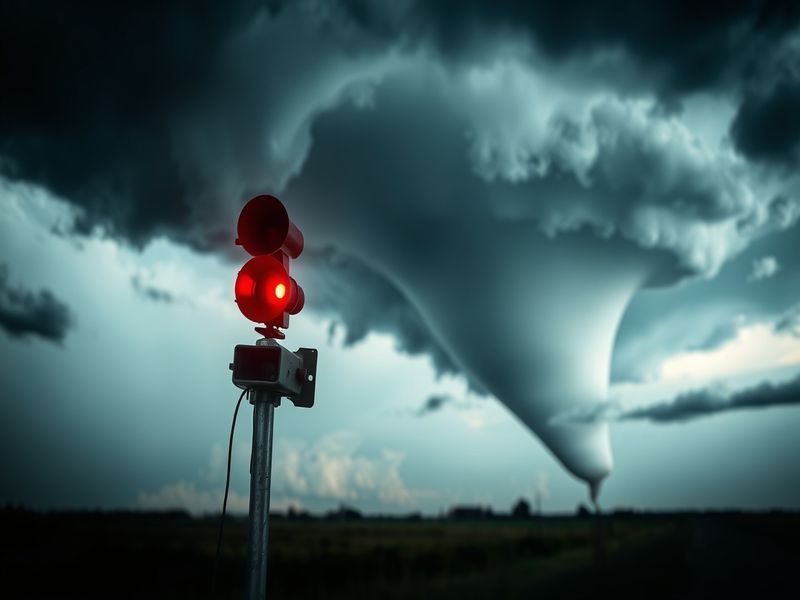
Columbus, Ohio residents woke up to a familiar but unsettling sound today as tornado sirens pierced the morning air. The alerts, which lasted for several minutes, prompted immediate action from locals who have grown accustomed to the region’s unpredictable weather patterns. While the sirens did not escalate into a full-fledged emergency, they served as a stark reminder of the Midwest’s vulnerability to severe storms.
Tornado sirens in Columbus are part of a broader early warning system designed to protect communities from sudden, life-threatening weather events. These systems have evolved significantly over the decades, blending technology with community preparedness. However, their effectiveness often depends on how well residents understand and respond to them—a challenge that spans far beyond Ohio’s borders.
The Science Behind Tornado Sirens in the Midwest
The Midwest, often referred to as “Tornado Alley,” experiences some of the most intense and frequent tornado activity in the world. States like Ohio, Illinois, and Indiana lie in the path of these destructive storms, which can form with little warning. Tornado sirens, officially known as outdoor warning systems, are a critical component of the region’s disaster response infrastructure.
These sirens are typically activated by local emergency management agencies when a tornado warning is issued by the National Weather Service. Unlike indoor alerts like weather radios or smartphone notifications, sirens are designed to reach people outdoors or in areas where other warnings might not be heard. Their two-minute blare is unmistakable—a sound that has become a cultural marker in communities across the region.
- Activation Criteria: Sirens are usually triggered when a tornado warning is issued or when damaging winds of 70 mph or greater are detected.
- Testing Schedule: Most cities, including Columbus, test their sirens regularly—often on the first Wednesday of every month at 11:45 AM.
- Limitations: Sirens are not designed to warn people indoors or while asleep, which is why layered alert systems are crucial.
Globally, tornado warning systems vary widely. In Japan, for example, communities rely more on broadcast alerts and mobile notifications due to the country’s dense urban environments. Meanwhile, in rural parts of India, early warning systems for cyclones and monsoons often involve community leaders spreading the word verbally—a far cry from the automated sirens of the American Midwest.
Columbus’ Response: A Case Study in Preparedness
Columbus’ emergency response teams moved quickly to assess the situation after today’s sirens sounded. According to local reports, the alert was triggered by a severe thunderstorm capable of producing a tornado, though no touchdowns were confirmed. Emergency services urged residents to stay vigilant, check local weather updates, and review their safety plans.
For many Columbus families, today’s event was a routine drill. The city has invested in public education campaigns to ensure residents know the difference between a tornado watch and a tornado warning. Schools and businesses conduct regular drills, and local news outlets provide continuous coverage during storm season. Yet, despite these efforts, complacency can still set in—a challenge faced by emergency planners worldwide.
In contrast, cities like Miami, Florida, which faces hurricanes rather than tornadoes, have developed different warning systems. Their approach relies heavily on evacuation orders and storm surge projections, demonstrating how climate and geography shape disaster preparedness. Meanwhile, in Europe, where tornadoes are less common but still possible, countries like France and Germany use a mix of siren systems and smartphone alerts to notify the public.
The Cultural Impact of Tornado Sirens
To those unfamiliar with the Midwest, the sound of a tornado siren might evoke fear or curiosity. But for longtime residents, it’s a familiar soundtrack to life in the region—a sound that blends urgency with a strange sense of normalcy. Tornado sirens have even seeped into the cultural fabric of the Midwest, appearing in music, literature, and film as symbols of resilience and unpredictability.
Consider the 1996 film Twister, which dramatized the thrill and terror of storm chasing in Oklahoma. The movie’s iconic scenes of twisters tearing through the landscape helped cement the tornado siren’s place in American pop culture. Similarly, country music often references severe weather as a metaphor for life’s challenges, with artists like Miranda Lambert and Jason Aldean singing about the storms that shape their communities.
Globally, the concept of a communal alert system takes on different meanings. In Japan, the J-Alert system broadcasts warnings for earthquakes, tsunamis, and missile threats, reflecting the country’s high-risk environment. Meanwhile, in Africa, early warning systems for droughts and floods often involve traditional leaders and radio broadcasts, highlighting the role of community in disaster response.
What Should Columbus Residents Do Next?
While today’s tornado siren event did not escalate into a major emergency, it serves as a reminder to stay prepared. Emergency experts recommend that residents take the following steps to ensure their safety during severe weather:
- Have a Plan: Know where to shelter in your home, workplace, or school—preferably in a basement or interior room on the lowest floor.
- Stay Informed: Sign up for local weather alerts via the National Weather Service or a trusted weather app.
- Prepare an Emergency Kit: Include water, non-perishable food, a flashlight, batteries, a first-aid kit, and a portable charger.
- Practice Drills: Conduct regular tornado drills with your family or coworkers to ensure everyone knows what to do.
- Check on Neighbors: Vulnerable individuals, such as the elderly or disabled, may need extra assistance during emergencies.
Columbus’ emergency management teams are urging residents to use today’s event as a learning opportunity. While the sirens are a vital tool, they are only one part of a larger safety net. Technology continues to evolve, with innovations like smartphone-based alerts and AI-driven weather prediction offering new layers of protection.
The Midwest’s relationship with tornadoes is a testament to human resilience in the face of nature’s unpredictability. Cities like Columbus have built robust systems to protect their residents, but the work is never done. As climate change increases the frequency and intensity of severe weather events, the lessons learned in Ohio will resonate far beyond its borders.
For those interested in exploring how other regions prepare for disasters, our News section offers in-depth analysis on global emergency response strategies.
© 2023 Dave’s Locker. All rights reserved.