From Garden State to Broadway: The Origins of a Heated Rivalry
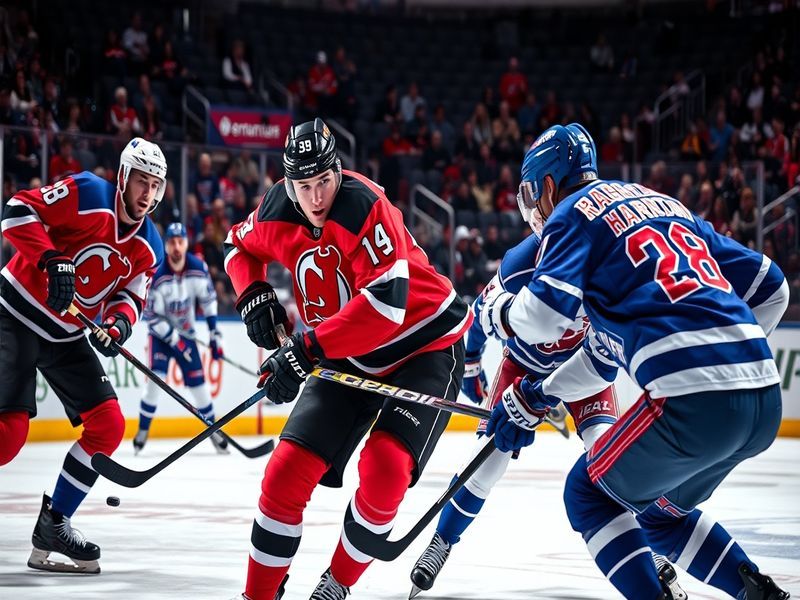
The Devils vs Rangers rivalry isn’t just another NHL matchup—it’s a clash rooted in geography, ambition, and the raw intensity of New York versus New Jersey pride. When the New Jersey Devils joined the NHL in 1982, they weren’t just an expansion team; they were a team planted directly in the shadow of the Rangers, the league’s most storied franchise. The Devils’ arrival in the New York metropolitan area forced a reckoning: two teams, one market, and fans divided by a river and a state line.
The tension wasn’t manufactured. It was organic. New Yorkers saw the Devils as an intruder, a team trying to carve out space in a city that already had hockey royalty. Meanwhile, New Jersey fans, tired of being overlooked, embraced the Devils as their own symbol of defiance. The first meeting between the two teams in 1982 was a modest affair, but it planted the seed for what would become one of the most physical and emotionally charged rivalries in sports.
By the late 1990s and early 2000s, the rivalry had fully combusted. The Devils, led by legends like Martin Brodeur and Scott Stevens, became the NHL’s most feared defensive team, while the Rangers, despite their glamour, struggled to keep pace. The playoff battles were particularly brutal. In 1994, the Rangers ended a 54-year Cup drought, but it was the Devils who dominated the early 2000s, winning three Stanley Cups in nine years and establishing themselves as the team to beat in the region.
The Playoff Wars: When Intensity Boiled Over
Few rivalries in sports have produced as many playoff clashes as Devils vs Rangers. The battles in the 1990s and 2000s were more than hockey—they were wars of attrition, played in front of sold-out crowds and broadcast to millions. The physicality was extreme. Hits were thunderous. Tempers flared. And the stakes? Nothing less than regional supremacy.
The 1994 Eastern Conference Finals marked a turning point. The Rangers, led by Mark Messier, faced the Devils, who were still finding their footing. The series was a brutal showcase of defensive hockey, with the Devils ultimately falling in seven games. But the real fireworks came in subsequent years. In 2006, the Devils and Rangers met in the first round, with New Jersey sweeping New York in a series that exposed the Rangers’ weaknesses. The message was clear: the Devils owned the rivalry in the early 2000s.
Yet, the Rangers weren’t silent. In 2012, New York exacted revenge in the playoffs, defeating New Jersey in a hard-fought series that signaled a changing of the guard. The rivalry had entered a new phase—one where neither team could claim dominance. Today, the playoff matchups are rare but always carry the weight of history. Fans still remember the hits, the goals, and the moments that defined generations of players.
A Clash of Cultures: Hockey, Identity, and Regional Pride
The Devils vs Rangers rivalry transcends the rink. It’s a cultural divide as much as it is a hockey rivalry. New York, with its bright lights, Broadway shows, and cosmopolitan energy, represents the glamour of the big city. New Jersey, with its working-class roots, suburban sprawl, and underdog mentality, embodies resilience and grit. These identities clash every time the two teams meet.
For Devils fans, the team is a source of pride in a state often overshadowed by New York. The Prudential Center, known as “The Rock,” is more than a rink—it’s a fortress of blue and red, where fans gather to cheer on their team with unrelenting passion. For Rangers fans, Madison Square Garden is hallowed ground, a place where legends are made and hockey is celebrated as part of the city’s fabric. The Garden’s iconic status makes every Devils visit feel like an invasion.
The cultural divide extends beyond New York City. Across North America, hockey fans watch the rivalry unfold with fascination. It’s a microcosm of the broader sports world, where local pride often trumps national allegiance. The Devils vs Rangers rivalry is a reminder that sports are more than just games—they’re reflections of identity, history, and community.
The Global Lens: How the Rivalry Resonates Beyond North America
While the Devils vs Rangers rivalry is deeply rooted in the New York metropolitan area, its impact is felt far beyond the United States. International hockey fans, especially in Europe and Russia, follow the NHL closely and recognize the significance of this matchup. The rivalry’s physicality and intensity make it a compelling spectacle for global audiences, who appreciate the blend of skill and grit on display.
In countries like Sweden, Finland, and the Czech Republic, where hockey is a way of life, the Devils vs Rangers rivalry is often cited as an example of the NHL’s best. The contrast between the Devils’ defensive structure and the Rangers’ offensive firepower provides a masterclass in hockey tactics. Meanwhile, in Russia, where hockey is a national obsession, the rivalry is seen as a clash of styles—American toughness versus European finesse.
The NHL’s global expansion has only amplified the rivalry’s reach. With games broadcast in over 100 countries and streaming platforms making highlights accessible worldwide, the Devils vs Rangers matchups are now part of the global hockey conversation. Fans in Asia, Australia, and South America tune in to watch the intensity unfold, further cementing the rivalry’s status as one of the NHL’s most-watched.
Legends and Legacy: The Players Who Defined the Rivalry
No rivalry is complete without its legends, and the Devils vs Rangers have produced more than their fair share. On the Devils side, Martin Brodeur stands as the franchise’s greatest goaltender, his calm demeanor and unparalleled skill making him a thorn in the Rangers’ side for over a decade. Alongside him, Scott Stevens redefined defensive hockey with his bone-crushing hits, becoming the heart and soul of the team during its Cup-winning years.
The Rangers, meanwhile, have their own icons. Mark Messier, the “Moose,” led the 1994 Cup run and remains a symbol of the team’s resilience. Henrik Lundqvist, the franchise’s goalie for over a decade, was a wall in net, frustrating Devils players with his reflexes and consistency. And let’s not forget the role of enforcers like Tie Domi, whose willingness to drop the gloves added another layer of drama to the rivalry.
These players didn’t just play the game—they defined it. Their performances in Devils vs Rangers matchups became the stuff of legend, with moments like Stevens’ hit on Eric Lindros or Lundqvist’s series-clinching saves etched into the memories of fans forever. The rivalry has given hockey some of its most iconic figures, players whose legacies are forever tied to the intensity of this matchup.
What’s Next? The Rivalry in the Modern Era
The Devils vs Rangers rivalry has evolved with the times. In recent years, both teams have undergone transformations, with new stars emerging and old wounds reopening. The Devils, once a defensive powerhouse, have embraced a more offensive style under coaches like John Hynes and now Lindy Ruff. The Rangers, meanwhile, have undergone a rebuild, drafting young talent like Alexis Lafrenière and Igor Shesterkin to build a contender for the future.
Yet, the essence of the rivalry remains unchanged. The physicality, the passion, and the stakes are still there. Fans still pack the arenas, the banners still fly, and the trash talk still flows freely. The rivalry has survived changes in the NHL, from realignment to rule changes, proving that some things are timeless.
As the 2020s progress, the Devils and Rangers are on the rise again. With both teams vying for playoff spots and a chance to reclaim their dominance in the metropolitan area, the rivalry is poised for a resurgence. The next chapter could be written by a new generation of stars, but the story will remain the same: two teams, one region, and a rivalry that refuses to fade.
A Look Ahead: What Fans Can Expect
For fans of the Devils vs Rangers rivalry, the future is bright. Both teams are investing in their rosters, their facilities, and their fan bases. The Prudential Center and Madison Square Garden remain two of the most iconic venues in sports, and the players who take the ice for these matchups are some of the most talented in the league. With the NHL’s global reach expanding, the rivalry’s international appeal is only set to grow.
As the league continues to evolve, one thing is certain: the Devils vs Rangers rivalry will remain a cornerstone of the NHL. It’s more than just a series of games—it’s a tradition, a cultural touchstone, and a testament to the power of hockey to bring people together, even when they’re divided by state lines and allegiances.
So, when the puck drops and the two teams face off, the world will be watching. Because in the end, Devils vs Rangers isn’t just a hockey game—it’s a story that transcends sport.
Explore more about the NHL and its greatest rivalries on Dave’s Locker Sports.
For a deeper look at the history of the New York metropolitan area’s sports culture, check out our Culture section.