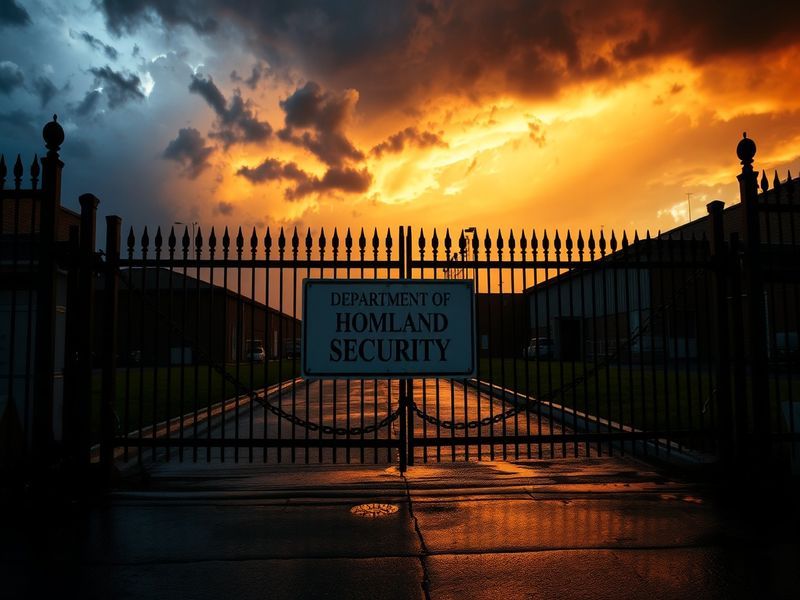
Understanding the DHS Shutdown: What It Means for Americans
The Department of Homeland Security (DHS) is one of the most critical agencies in the United States, responsible for everything from border security to cybersecurity and disaster response. When the DHS shuts down due to a funding lapse, the ripple effects extend far beyond federal offices. Essential services slow down, federal employees face furloughs, and public safety measures are tested. The consequences of such a shutdown are not just bureaucratic—they impact millions of lives.
Shutdowns occur when Congress fails to pass a budget or continuing resolution before the existing funding expires. Unlike private businesses, federal agencies cannot operate without appropriated funds. For DHS, this means critical programs like TSA screenings, FEMA disaster assistance, and ICE operations could grind to a halt. While some employees continue working without pay, others are forced to stay home. The uncertainty surrounding paychecks creates financial stress for families dependent on federal salaries.
The Global Implications of a U.S. Government Shutdown
A DHS shutdown doesn’t just affect the U.S.—it sends shockwaves through international relations and global markets. The U.S. is a key player in global security frameworks, from counterterrorism collaborations to trade agreements. When DHS operations stall, foreign governments and businesses must adapt to delays in visa processing, customs inspections, and cybersecurity coordination.
Consider the impact on international travel. TSA agents are federal employees, and during a shutdown, staffing shortages can lead to longer security lines at airports. Airlines and tourism industries in countries like Mexico, Canada, and Europe feel the pinch as fewer U.S. travelers arrive. Businesses that rely on cross-border trade face delays at customs, disrupting supply chains that span continents.
Cybersecurity is another area where a DHS shutdown creates vulnerabilities. The Cybersecurity and Infrastructure Security Agency (CISA), a DHS component, monitors and responds to cyber threats around the clock. When funding dries up, threat detection slows, leaving both public and private sectors exposed to attacks. In 2018, a CISA alert warned that Russian hackers had targeted U.S. infrastructure—just as a shutdown loomed. The timing underscored how critical uninterrupted cybersecurity operations are.
How Different Sectors Cope During a DHS Shutdown
The effects of a DHS shutdown are uneven, hitting some industries harder than others. Below is a breakdown of the most affected sectors:
- Transportation and Travel: TSA screenings become slower, and air traffic controllers may face staffing shortages. Airlines report delays, and international travelers face longer wait times for visas.
- Immigration Services: USCIS continues processing some applications, but E-Verify, a system used by employers to verify work eligibility, shuts down. This creates headaches for businesses and immigrants alike.
- Disaster Response: FEMA’s ability to assist in emergencies is limited. During hurricane season or wildfires, delayed federal aid can worsen outcomes for affected communities.
- Law Enforcement: ICE and CBP continue essential operations, but non-essential functions like training and oversight are paused. This raises concerns about accountability and operational efficiency.
- Cybersecurity: Threats don’t pause during a shutdown, but the government’s ability to respond does. Private companies often step in to fill gaps, straining resources.
The financial burden of a shutdown isn’t limited to federal workers. Small businesses, especially those near borders or in ports, face delays in inspections and permits. Tech companies dependent on government contracts may see project timelines pushed back, leading to lost revenue. Even sports leagues with international events must navigate visa issues for visiting teams and staff.
The Human Cost: Federal Workers and Their Families
Behind the headlines and policy debates are the people whose lives are upended by a DHS shutdown. Federal employees, from border patrol agents to cybersecurity analysts, are often the first to feel the impact. During the 2018-2019 shutdown, over 800,000 federal workers were furloughed or forced to work without pay. Many relied on savings, food banks, or side jobs to stay afloat.
Maria Rodriguez, a customs officer at the San Ysidro Port of Entry, shared her experience with local news outlets. “We were expected to work without pay, but our landlords and grocery stores didn’t accept IOUs,” she said. Stories like hers highlight the human cost of political gridlock. While back pay is eventually restored, the stress of financial uncertainty lingers long after the shutdown ends.
Children in military families also bear the brunt. The Department of Defense relies on DHS for background checks and security clearances. Delays in these processes can postpone school enrollment for dependents of service members stationed abroad. The ripple effect of a shutdown extends beyond the immediate crisis, leaving lasting scars on vulnerable communities.
Lessons from Past Shutdowns: What History Tells Us
The U.S. has experienced 21 shutdowns since 1976, ranging from a single day to 35 days in 2018-2019—the longest in history. Each shutdown offers lessons about resilience, governance, and the fragility of public services. Here’s what past events reveal:
- Economic Impact: The 2018-2019 shutdown cost the U.S. economy an estimated $11 billion, with $3 billion permanently lost. Consumer spending dropped, and small businesses struggled to access loans.
- Public Trust Erosion: Repeated shutdowns erode confidence in government institutions. A Pew Research study found that 51% of Americans believe shutdowns harm the country’s reputation globally.
- Policy Workarounds: Some agencies, like the U.S. Postal Service, operate outside typical budget constraints. Others, such as the Federal Aviation Administration, have contingency funds to keep critical operations running.
- Bipartisan Frustration: Shutdowns often stem from partisan disputes over immigration, healthcare, or spending. Yet, they rarely resolve the underlying issues, leaving future budgets vulnerable to similar crises.
One of the most telling outcomes of past shutdowns is the bipartisan agreement that they are detrimental. In January 2019, then-Senate Majority Leader Mitch McConnell called the 35-day shutdown “unnecessary” and a “government funding lapse.” The sentiment was echoed by both parties, yet the cycle of brinkmanship continued.
Looking Ahead: Can a DHS Shutdown Be Avoided?
Preventing future shutdowns requires structural changes to how the U.S. funds its government. Some experts advocate for automatic continuing resolutions that maintain funding levels until a budget is passed. Others propose reforms to the budget process itself, such as biennial budgeting, which would reduce the frequency of funding battles.
Public pressure also plays a role. When shutdowns drag on, constituents contact their representatives in droves. Social media campaigns, like #EndTheShutdown, amplify voices demanding accountability. Yet, without systemic changes, the risk of future shutdowns remains.
For now, the DHS continues to prepare contingency plans for potential funding lapses. These plans prioritize essential services, but they cannot eliminate the chaos entirely. As global threats evolve—from cyberattacks to climate disasters—the stakes of a shutdown grow higher.
In an era where governments worldwide face funding challenges, the U.S. experience serves as a cautionary tale. Other nations watch closely as America grapples with balancing fiscal responsibility and public service delivery. The question isn’t just whether the next shutdown can be avoided—it’s whether the lessons from past crises will lead to meaningful change.