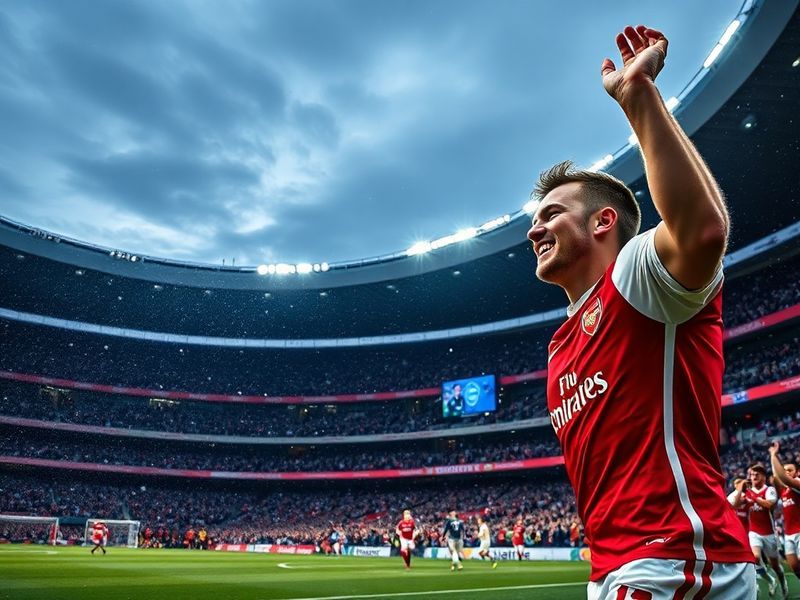
Diego Simeone stands as one of football’s most polarizing yet effective managers. Since taking the reins at Atlético Madrid in December 2011, he has transformed the club from a perennial underdog into a European powerhouse. His leadership style—combining tactical discipline, emotional intensity, and an unrelenting work ethic—has redefined what it means to compete at the highest level.
Simeone’s influence extends beyond La Liga. His teams have consistently challenged the dominance of football’s financial giants, proving that grit and organization can outweigh sheer spending power. In an era where football often prioritizes spectacle over substance, Simeone’s Atlético Madrid has remained a bastion of defensive solidity and tactical precision.
The Philosophy Behind the Grind
Simeone’s managerial identity is rooted in a philosophy he has refined over decades. His approach is built on four core pillars:
- Defensive Solidity: Atlético Madrid under Simeone are known for their compactness and discipline. The team concedes fewer chances than most top European sides, making them a nightmare for attacking opponents.
- Counterattacking Mastery: Simeone’s sides thrive on quick transitions. They absorb pressure before exploiting gaps with rapid, incisive attacks.
- Physicality and Work Rate: Simeone demands relentless energy from his players. Every member of the squad is expected to press, track back, and support teammates.
- Emotional Intelligence: Simeone fosters a culture of unity and resilience. His ability to motivate players—even those on the fringes—has kept Atlético competitive year after year.
This philosophy is not just tactical; it’s cultural. Simeone has instilled a mentality in his players that prioritizes collective success over individual brilliance. It’s a model that resonates globally, particularly in leagues where financial disparities make competition difficult.
A Global Blueprint for Underdogs
Simeone’s success at Atlético Madrid has inspired managers worldwide. His ability to build competitive teams regardless of budget has made him a reference point for clubs aiming to punch above their weight.
In South America, where financial constraints are common, Simeone’s methods have been studied and adapted. Clubs in Argentina, Brazil, and Colombia have sought to replicate his defensive organization and counterattacking efficiency. Even in leagues like the MLS, where salary caps limit spending, Simeone’s influence is evident in the tactical approaches of teams like Los Angeles FC.
His impact is not confined to club football. Simeone’s national team, Argentina, has benefited from his principles. Players like Marcos Rojo and Ángel Correa, who thrived under Simeone at Atlético, have brought his tactical awareness to the national team setup.
The Human Element: Simeone’s Leadership Style
Simeone’s leadership is as much about psychology as it is about tactics. His fiery temper on the touchline is legendary, yet his players often describe him as a father figure off the pitch. This duality—tough but caring—creates a unique bond between Simeone and his squad.
Former Atlético captain Gabi Fernández once said, “Diego doesn’t just manage us; he understands us.” This emotional connection is a key reason why players like Antoine Griezmann and Koke have flourished under his guidance, even during periods of uncertainty.
Simeone’s ability to manage egos is another hallmark of his leadership. In a dressing room filled with top-tier talent, he ensures that no player believes they are bigger than the team. This humility-first approach has kept Atlético Madrid united through highs and lows.
Challenges and Evolution
Despite his success, Simeone’s tenure has not been without criticism. Some argue that his style is too reactive, relying on defensive resilience rather than proactive attacking football. Others point to Atlético’s struggles in the Champions League, where they have often fallen short against elite attacking sides like Manchester City and Real Madrid.
Yet, Simeone has adapted. In recent years, he has incorporated more possession-based elements into his system, particularly after signing players like Thomas Lemar and Renan Lodi. This evolution shows his willingness to grow while staying true to his core principles.
The arrival of striker Álvaro Morata in 2024 further highlights Simeone’s adaptability. Morata’s mobility and link-up play add a new dimension to Atlético’s counterattacks, proving that Simeone is not rigid in his approach.
A Legacy Beyond Titles
Simeone’s legacy is more than just trophies. While he has delivered two La Liga titles, two Copa del Rey trophies, and reached two Champions League finals, his greatest impact may be in redefining what it means to compete with limited resources.
In an era where football is increasingly dominated by financial might, Simeone has shown that discipline, intelligence, and heart can level the playing field. His Atlético Madrid has become a symbol of resilience, inspiring clubs and fans worldwide to believe in the power of collective effort.
As football continues to evolve, Simeone’s methods remain a blueprint for success. Whether in Europe, South America, or beyond, his influence will be felt for generations.