Understanding Eid al-Fitr and Its Timing in 2026
Eid al-Fitr, one of Islam’s most significant religious observances, marks the end of Ramadan—the holy month of fasting, prayer, and reflection. In 2026, this celebration will fall on a date determined by the lunar Islamic calendar, which means its occurrence shifts annually in the Gregorian calendar. The exact date depends on the sighting of the new moon, a practice that connects Muslims worldwide to centuries-old traditions.
For 2026, astronomical calculations suggest Eid al-Fitr will likely begin on the evening of Friday, April 17, with celebrations continuing through Saturday, April 18. These dates are approximate and may vary by one day depending on moon sightings in different regions, particularly in Saudi Arabia, which often sets the global standard for Islamic lunar dates.
How the Date is Determined
The determination of Eid al-Fitr’s start relies on the Islamic lunar calendar, which consists of 12 months based on the moon’s cycles. Each month begins and ends with the sighting of the new moon. Ramadan lasts 29 or 30 days, depending on when the new moon of Shawwal—the tenth month—is observed. While some communities rely on local moon sightings, others follow the calculations of reputable Islamic institutions or countries like Saudi Arabia.
Cultural and Religious Traditions Across the Globe
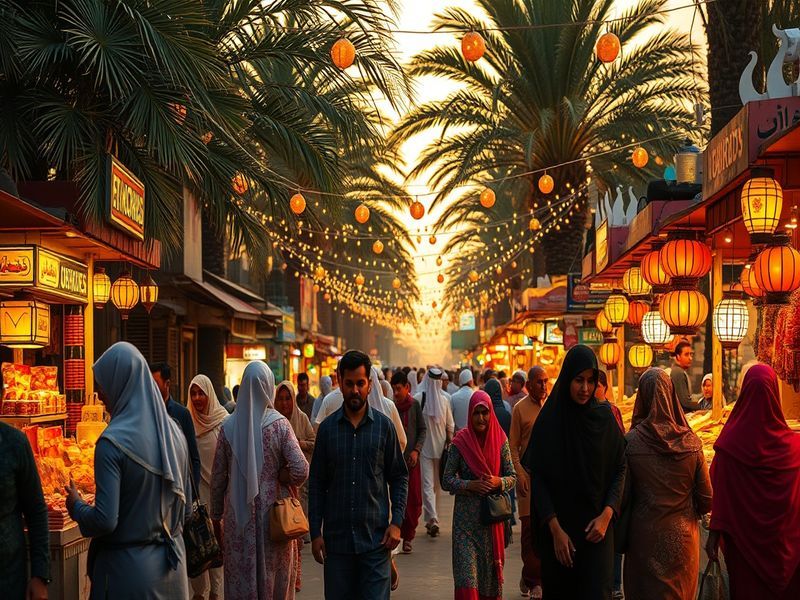
Eid al-Fitr is a time of joy, gratitude, and community. It begins with a special morning prayer, known as Salat al-Eid, often held in large outdoor spaces or mosques. Following the prayer, Muslims gather with family and friends to share meals, exchange gifts, and give to charity—a practice known as Zakat al-Fitr, which ensures that even the less fortunate can participate in the celebrations.
Traditions vary widely across cultures, reflecting the diversity of the Muslim world. In Turkey, families enjoy sweet treats like baklava and visit cemeteries to honor deceased relatives. In Indonesia, the Lebaran holiday involves exuberant parades and the iconic mudik tradition, where millions travel home to their hometowns. Meanwhile, in Morocco, families gather for couscous dishes and sing traditional songs.
A Unifying Yet Diverse Celebration
Despite these variations, Eid al-Fitr remains a unifying force. It reinforces the values of compassion, generosity, and unity that define Ramadan. The holiday also serves as a reminder of the global Muslim community’s strength, transcending borders and cultures.
Eid al-Fitr 2026: Logistics and Travel Considerations
As Eid approaches in 2026, travelers and communities must plan accordingly, especially if they intend to participate in large gatherings or travel to their hometowns. Airports, train stations, and highways in Muslim-majority countries often experience heavy congestion during this period, as people return home for celebrations. In 2025, for example, airports in Indonesia and Malaysia saw record passenger numbers ahead of Eid, a trend likely to repeat in 2026.
For those planning international travel during Eid al-Fitr 2026, it’s essential to check visa requirements, flight availability, and local customs. Many businesses in Muslim-majority countries may operate with reduced hours or close entirely during the holiday, affecting everything from banking services to public transportation.
Key Travel Tips for Eid al-Fitr 2026
- Book early: Flights and accommodations fill up quickly as families reunite. Aim to secure travel arrangements at least three to four months in advance.
- Check local holidays: Government offices, banks, and some businesses may close for Eid. Plan accordingly to avoid disruptions.
- Respect cultural norms: Dress modestly and be mindful of prayer times, especially in public spaces.
- Plan for delays: Transportation networks can become overwhelmed. Allow extra time for travel within and between cities.
Broader Implications: Eid in a Globalized World
Eid al-Fitr is no longer confined to Muslim-majority countries. In multicultural societies like the United States, Canada, and the United Kingdom, Eid celebrations have grown in visibility, with public events, interfaith gatherings, and even greetings from local leaders. Cities like New York and London now host large Eid festivals, reflecting the increasing integration of Muslim communities into the global fabric.
However, this global visibility also brings challenges. Islamophobia and misinformation about Islamic practices remain persistent issues in many parts of the world. Eid celebrations, particularly in non-Muslim countries, can become targets for discrimination or require additional security measures. In 2025, several European cities reported incidents of vandalism targeting mosques and Eid prayer spaces, highlighting the ongoing need for dialogue and understanding.
The Role of Media in Shaping Perceptions
Media representation plays a crucial role in how Eid is perceived globally. Positive coverage of Eid celebrations—showcasing the holiday’s emphasis on charity, family, and faith—can foster greater understanding. Conversely, sensationalist portrayals of Islam often overshadow the holiday’s true significance. As Eid al-Fitr 2026 approaches, journalists, content creators, and influencers have an opportunity to share authentic stories that highlight the diversity and beauty of this tradition.
For those interested in exploring Islamic culture beyond Eid, resources like Dave’s Locker Culture section offer insights into traditions, art, and contemporary expressions of faith around the world.
Looking Ahead: Eid al-Fitr as a Symbol of Resilience
Eid al-Fitr 2026 arrives at a time of global challenges—climate change, political instability, and economic uncertainty. Yet, for Muslims worldwide, the holiday remains a symbol of hope and resilience. It is a time to reflect on the past month’s spiritual growth, express gratitude, and look forward to the future with renewed purpose.
As communities prepare for Eid, the holiday also serves as a reminder of the importance of unity. Whether through shared meals, acts of charity, or simply gathering with loved ones, Eid fosters connections that transcend borders and cultures. In a world often divided by differences, Eid al-Fitr offers a moment of collective celebration and reflection.
For those seeking deeper analysis on cultural and religious trends, Dave’s Locker Analysis section provides thought-provoking articles on topics shaping societies today.
A Final Thought
Eid al-Fitr 2026 will be more than just a date on the calendar—it will be a global celebration of faith, family, and community. As the moon is sighted and the call to prayer echoes across continents, millions will come together to mark the end of Ramadan with joy and gratitude. In doing so, they remind the world of the enduring power of tradition, even in an ever-changing world.