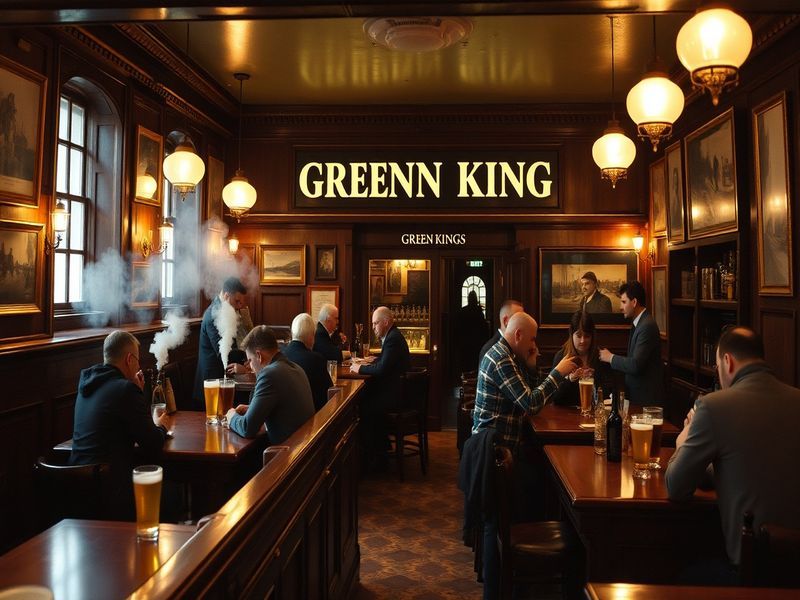
Few names carry as much weight in British brewing as Greene King. For over two centuries, this Suffolk-based brewery has quietly shaped the nation’s pub culture, blending tradition with innovation. From its humble beginnings in 1799 to its status today as one of the UK’s most recognizable names in beer, Greene King’s journey reflects broader shifts in consumer tastes, industry consolidation, and the evolving role of pubs in British society.
The Origins and Evolution of Greene King
Founded in 1799 by Benjamin Greene in Bury St Edmunds, Greene King began as a modest brewery serving local taverns. The company’s early years were marked by steady growth, but its trajectory changed dramatically in the 19th century under the leadership of Edward Greene and Frederick King, who expanded production and distribution. By the late 1800s, Greene King had established itself as a regional powerhouse, supplying beer to pubs across East Anglia.
What set Greene King apart was its commitment to quality and consistency—a rarity in an era when many breweries prioritized volume over craftsmanship. This philosophy endured even as the industry underwent seismic changes in the 20th century. The post-war consolidation of British brewing saw many independent breweries absorbed by larger players, but Greene King retained its identity while expanding its reach.
Today, Greene King operates over 2,700 pubs, restaurants, and hotels across the UK, making it one of the largest operators in the sector. Its portfolio includes iconic brands like Old Speckled Hen, Abbot Ale, and IPA, each with its own loyal following. Yet Greene King’s influence extends beyond its product line. The company has played a pivotal role in redefining the modern pub experience, balancing heritage with contemporary demands.
Greene King’s Business Model: Tradition Meets Modernity
Greene King’s success stems from a hybrid business model that combines brewing, retail, and property management. Unlike many competitors that focus solely on production or distribution, Greene King controls every stage of the chain—from brewing to serving pints in its own venues. This vertical integration has allowed the company to maintain tight control over quality while adapting to market trends.
The brewery’s strategy has evolved in response to changing consumer behaviors. In the 1990s and early 2000s, Greene King expanded aggressively through acquisitions, snapping up regional breweries to strengthen its market position. This period of consolidation mirrored broader trends in the industry, as larger players sought to dominate through scale and brand recognition.
However, Greene King’s approach has not been without controversy. Critics argue that its dominance has contributed to the homogenization of British pub culture, with many traditional local breweries disappearing in its wake. Others counter that Greene King has preserved jobs and heritage brands that might otherwise have vanished. The truth likely lies somewhere in between—a reflection of the tensions inherent in modern brewing.
Key Aspects of Greene King’s Business Model
- Vertical Integration: Controlling brewing, distribution, and retail operations ensures consistency and profitability.
- Brand Portfolio: A mix of heritage and contemporary brands appeals to diverse consumer tastes.
- Property Ownership: Owning thousands of pubs and hotels provides steady revenue streams and market presence.
- Adaptation to Trends: Introducing craft-style offerings and food menus keeps venues relevant in a competitive market.
Greene King and the Future of British Pubs
The pub industry has faced unprecedented challenges in recent years. Rising costs, changing drinking habits, and the aftermath of the COVID-19 pandemic have forced many operators to rethink their strategies. Greene King, despite its size, has not been immune to these pressures. The company has had to navigate labor shortages, supply chain disruptions, and shifting consumer preferences toward home drinking and alternative social spaces.
Yet Greene King’s sheer scale offers a degree of resilience. The company’s ability to invest in digital ordering systems, delivery partnerships, and innovative menu offerings has helped it weather the storm. Its pubs remain central hubs for communities, hosting everything from live music to family meals. In an era where many traditional pubs struggle to survive, Greene King’s model demonstrates how large operators can adapt while still preserving the core essence of what makes pubs special.
Looking ahead, Greene King’s biggest challenge may be balancing its corporate identity with the authenticity that customers crave. Can a company of such scale truly embody the spirit of a local pub? The answer is nuanced. While Greene King’s corporate structure is undeniable, its success hinges on its ability to curate experiences that feel personal and inviting. This duality—balancing efficiency with warmth—will define its future.
Greene King’s Broader Impact on British Culture
Beyond its commercial success, Greene King holds a unique place in British cultural identity. Pubs have long been more than just places to drink; they are social institutions, political arenas, and cultural touchstones. Greene King’s brands have woven themselves into the fabric of everyday life, referenced in literature, music, and film. Old Speckled Hen, for instance, has become synonymous with reliability and craftsmanship, much like a trusted friend.
Greene King’s commitment to sustainability also reflects broader societal values. The company has invested in reducing its carbon footprint, sourcing ingredients responsibly, and minimizing waste. These efforts align with growing consumer demand for ethical business practices, further cementing Greene King’s relevance in an increasingly conscious market.
Moreover, Greene King’s role in supporting local communities cannot be overstated. Its pubs serve as gathering places for events, fundraisers, and celebrations, acting as lifelines for many towns and villages. In an era where loneliness and social isolation are pressing concerns, the importance of such spaces cannot be underestimated.
Why Greene King Matters
- Cultural Legacy: Its brands and pubs are woven into the story of modern Britain.
- Economic Contribution: It supports thousands of jobs and sustains local economies.
- Innovation: It adapts to trends without losing sight of tradition.
- Community Role: Its venues foster social connection in an increasingly fragmented world.
Conclusion: A Brewing Giant with Room to Grow
Greene King’s story is one of resilience, adaptation, and quiet influence. From a single brewery in Suffolk to a national powerhouse, the company has navigated industry upheavals while maintaining a commitment to quality and community. Its success offers lessons in balancing tradition with innovation—a challenge faced by many industries today.
Yet Greene King’s future is not without questions. As consumer habits evolve and the pub industry continues to transform, the company must prove that scale and authenticity can coexist. If it succeeds, Greene King will remain a cornerstone of British culture for generations to come. If it falters, it may serve as a cautionary tale about the risks of corporate dominance in an industry built on local roots.
For now, Greene King endures—a testament to the enduring appeal of a well-pulled pint and the communities that gather around it.