The Evolution of Hulton Park Golf Course
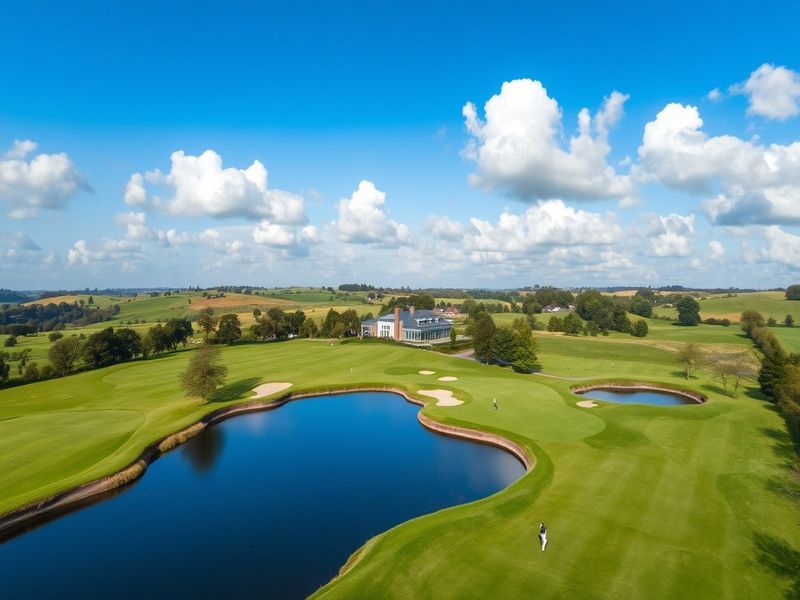
Nestled in the rolling hills of Lancashire, Hulton Park Golf Course has quietly established itself as one of England’s most respected venues since its opening in 2014. Designed by European Golf Design, the course blends natural topography with strategic bunkering and undulating greens to challenge golfers of all skill levels. While newer than many British classics, its reputation has grown rapidly, attracting international tournaments and a diverse membership base.
The course’s origins trace back to the 19th century when the Hulton family, local landowners, first envisioned a sporting estate on the estate. Though golf wasn’t initially part of the plan, the land’s undulating terrain and proximity to Bolton made it an ideal candidate for a championship-level course. After decades of agricultural use, the transformation began in the early 2000s, culminating in a £12 million investment to create a 7,245-yard, par-72 layout.
A Global Perspective on Modern Golf Architecture
Hulton Park reflects a broader trend in 21st-century golf course design: the fusion of tradition with modern playability. Unlike the penal designs of the 1970s or the heroic layouts of the 1990s, today’s courses prioritize sustainability, accessibility, and strategic variety. Hulton Park embodies this ethos by offering multiple tee options, wide fairways, and natural water features that reward thoughtful play rather than brute force.
Globally, this approach has gained traction as golf seeks to remain relevant in an era of declining participation. Courses like Hulton Park demonstrate how strategic design can lower scores while preserving challenge. According to the Sports section of Dave’s Locker, modern golf architecture is increasingly focused on adaptability, allowing venues to host both elite competitions and beginner-friendly outings. Hulton Park’s rise mirrors this shift, positioning itself not just as a local gem but as a model for sustainable golf development.
The Course: A Study in Strategic Design
Hulton Park’s layout is a masterclass in strategic golf. The front nine winds through mature woodland and open meadows, while the back nine climbs into elevated terrain, offering panoramic views of the Lancashire countryside. Key holes like the par-4 7th, with its elevated tee and approach over a ravine, exemplify the course’s blend of beauty and difficulty. Meanwhile, the par-3 12th, with its undulating green and surrounding bunkers, tests a golfer’s short-game precision.
The course’s bunkering deserves special mention. Unlike the flashy, pot-style bunkers of modern American designs, Hulton Park’s sand traps are subtle yet penal. They frame fairways and greens without overwhelming the landscape, a nod to the classic British tradition. This understated elegance is rare in contemporary golf, where visual drama often overshadows strategic nuance.
Key Features of Hulton Park
- Length: 7,245 yards (par 72)
- Designer: European Golf Design
- Opened: 2014
- Slope Rating: 135
- Course Rating: 74.5
- Green Fees: £60–£120 (varies by season)
- Membership: Open to the public with limited membership options
Cultural Impact and Community Role
Beyond its architectural merits, Hulton Park plays a vital role in the local community. Golf remains one of England’s most exclusive sports, yet venues like Hulton Park are working to democratize access. Junior coaching programs, women’s golf initiatives, and affordable green-fee days have helped diversify the sport’s appeal. The course also hosts charity events and corporate functions, embedding itself in the social fabric of Lancashire.
From a global perspective, Hulton Park reflects a broader cultural shift in golf. Once dominated by private clubs and elitist traditions, the sport is increasingly embracing inclusivity. According to the Culture section of Dave’s Locker, venues that prioritize community engagement are seeing longer-term sustainability. Hulton Park’s success in this area aligns with trends observed in countries like the Netherlands and Sweden, where golf is marketed as a family-friendly activity rather than a niche pursuit.
International Comparisons
Hulton Park shares similarities with other modern British courses like Woodhall Spa and Royal Liverpool, both of which balance challenge with natural beauty. However, its proximity to urban centers like Manchester and Liverpool gives it a unique advantage. Golf tourism is booming in the UK, with international visitors seeking authentic experiences. Hulton Park, with its manageable travel links and high-quality layout, is well-positioned to capitalize on this trend.
Internationally, courses like Bandon Dunes in the U.S. and Crans-sur-Sierre in Switzerland have shown how golf can thrive as a luxury experience. Yet Hulton Park offers something different: a mid-tier venue that punches above its weight. Its affordability and accessibility make it a model for clubs worldwide that seek to balance exclusivity with openness.
Challenges and Future Prospects
Despite its success, Hulton Park faces challenges common to modern golf courses. Rising maintenance costs, environmental regulations, and competition from alternative leisure activities threaten the viability of standalone clubs. The course’s management has responded by investing in eco-friendly practices, such as reduced pesticide use and water conservation, to align with sustainability goals.
Looking ahead, Hulton Park’s future may hinge on its ability to adapt. The golf industry is evolving rapidly, with technology and changing consumer preferences reshaping the landscape. Virtual golf simulators, for instance, are gaining popularity among younger players who may never visit a traditional course. Yet Hulton Park’s emphasis on the physical and social aspects of golf positions it well to weather these changes.
There’s also the question of expansion. Rumors have circulated about potential renovations or even a second course. While nothing is confirmed, the demand for high-quality golf in the North West suggests that Hulton Park could grow in influence. If executed thoughtfully, such developments could further cement its status as a regional hub.
What’s Next for Hulton Park?
The course’s management team has outlined several priorities for the coming years:
- Enhancing junior and beginner programs to attract new golfers
- Improving practice facilities, including a short-game area and driving range
- Expanding hospitality offerings for corporate events and weddings
- Increasing international marketing to attract overseas visitors
- Exploring partnerships with golf technology firms to enhance player experience
Conclusion: A Course with Global Ambitions
Hulton Park Golf Course is more than just a sporting venue; it’s a testament to the enduring appeal of golf when designed with thoughtfulness and executed with precision. In an era where many clubs struggle to stay relevant, Hulton Park has carved out a distinct identity by blending tradition, innovation, and community engagement. Its rise mirrors broader trends in the sport, where accessibility and sustainability are becoming as important as challenge and beauty.
As golf continues to evolve, venues like Hulton Park will play a crucial role in shaping its future. Whether through hosting tournaments, fostering local talent, or pioneering eco-friendly practices, Hulton Park is proving that even relatively new courses can achieve global significance. For golfers and enthusiasts alike, it stands as a reminder that great golf is timeless—regardless of when it was built.