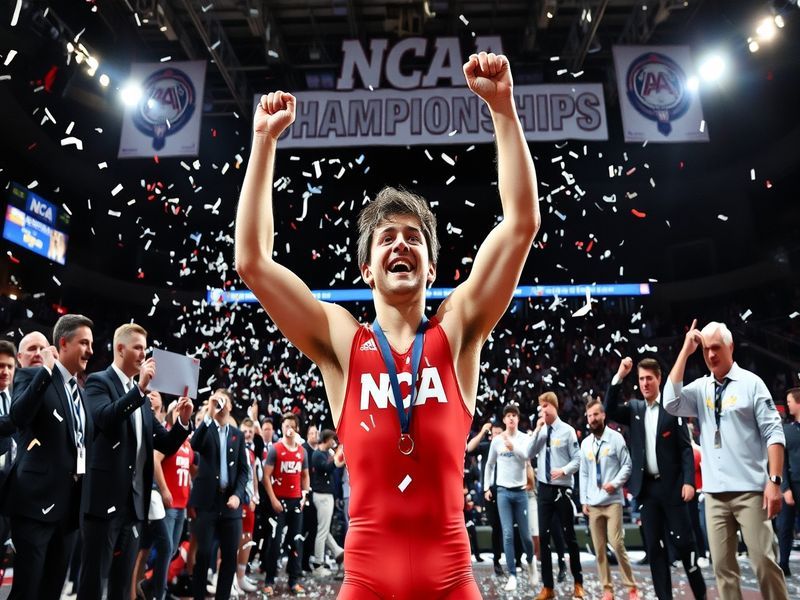
The NCAA Wrestling Championships stand as one of the most storied and competitive events in collegiate athletics. Each spring, the best wrestlers from Division I, II, and III converge to battle for individual and team glory. The tournament is more than just a competition; it’s a celebration of technique, grit, and the relentless pursuit of excellence. From its humble beginnings to its current status as a premier sporting spectacle, the championships have evolved while maintaining the core values that define the sport.
The History and Evolution of the Championships
The NCAA Wrestling Championships trace their origins back to 1928, when the first official tournament was held in Ames, Iowa. Organized by the National Collegiate Athletic Association (NCAA), the event was designed to crown the best collegiate wrestlers in the nation. In its early years, the tournament featured only a handful of weight classes and attracted limited participation. Over time, it grew in stature, reflecting the increasing popularity of wrestling as both a sport and a form of amateur competition.
By the 1950s, the championships had expanded to include more weight classes and divisions, reflecting the growing diversity of collegiate wrestling programs. The introduction of the team scoring system in 1953 added a new layer of strategy, as teams competed not only for individual titles but also for the prestigious team championship. This shift transformed the event into a true team sport, where every match carried weight beyond the individual competitor.
Today, the NCAA Wrestling Championships are a three-day extravaganza, featuring over 300 wrestlers from more than 60 schools. The event has expanded to include Divisions II and III, ensuring that wrestlers from all levels have the opportunity to compete on the national stage. The championships have also embraced technological advancements, with live streaming, real-time scoring, and social media integration bringing the action to fans worldwide. Despite these changes, the essence of the event remains unchanged: a test of skill, endurance, and determination.
Key Moments and Legendary Performances
Throughout its history, the NCAA Wrestling Championships have produced countless unforgettable moments. One of the most iconic occurred in 1983, when Iowa State’s Dan Gable, already a legend in the sport, coached his team to the national title. Gable’s influence extended beyond his own wrestling career, shaping the future of the sport through his coaching and mentorship. His legacy is a testament to the impact wrestlers and coaches have on the championships.
Another defining moment came in 2005, when Oklahoma State’s Johny Hendricks claimed the 165-pound title in dominant fashion. Hendricks’ aggressive style and unmatched athleticism made him a fan favorite, and his victory solidified his place among the sport’s all-time greats. His performance was a reminder of how individual brilliance can elevate an entire team’s standing in the championships.
The 2018 championships provided another historic highlight when Penn State’s Bo Nickal became the first wrestler in NCAA history to win four consecutive titles in two different weight classes. Nickal’s dominance at 174 pounds and 197 pounds showcased his versatility and relentless work ethic. His achievements underscored the importance of adaptability in a sport where technique and strategy are as crucial as physical strength.
These moments are more than just highlights; they are the building blocks of the championships’ legacy. They inspire future generations of wrestlers and remind fans of the drama and excitement that define the event.
The Road to Nationals: How Teams Prepare
The path to the NCAA Wrestling Championships is a grueling one, requiring months of preparation, discipline, and teamwork. For most teams, the season begins with the fall semester, as wrestlers return from summer break with renewed focus and determination. Practices are intense, often lasting several hours a day, and include drilling techniques, conditioning, and live wrestling. Coaches play a pivotal role in this process, crafting training regimens that balance physical and mental preparation.
One of the most critical aspects of preparation is the wrestling room culture. Programs like Penn State, Iowa, and Oklahoma State have built reputations for their intense and competitive environments. Wrestlers push each other to excel, fostering a sense of camaraderie and shared purpose. This culture is not just about winning; it’s about instilling values like discipline, resilience, and humility. These qualities are essential not only in wrestling but in life beyond the mat.
As the season progresses, teams participate in dual meets and tournaments to test their skills against top competition. These events serve as valuable opportunities to identify strengths and weaknesses, as well as to build momentum heading into the conference championships. The Big Ten, EIWA, and Pac-12 wrestling conferences are particularly renowned for their competitive fields, often serving as bellwethers for the national tournament.
For individual wrestlers, the road to nationals is equally demanding. Balancing academics, training, and competition requires exceptional time management and focus. Many wrestlers rely on a support system of coaches, teammates, and family to stay on track. The mental aspect of the sport cannot be overstated; confidence, composure, and adaptability are often the deciding factors in close matches.
By the time the NCAA Wrestling Championships arrive, teams and individuals have already proven their mettle. The championships are the ultimate validation of their hard work, a chance to compete for glory on the grandest stage in collegiate wrestling.
What to Watch For in the Championships
The NCAA Wrestling Championships are a showcase of the sport’s brightest stars and most promising talents. For fans and analysts alike, the event offers a chance to witness the next generation of wrestling legends. Here are a few key storylines to follow:
- Team Contenders: Programs like Penn State, Iowa, and Ohio State consistently field strong teams capable of contending for the national title. Their success often hinges on depth, as well as standout performers who can secure crucial points.
- Individual Rivals: Watch for matchups between top-ranked wrestlers, particularly in the heavier weight classes where strength and technique collide. These bouts are often decided by razor-thin margins, making them must-see events.
- Underdog Stories: The championships have a history of producing surprise performances from wrestlers who defy expectations. These stories add an element of unpredictability and excitement to the tournament.
- Coaching Strategies: The tactical battles between coaches can be as compelling as the wrestling itself. How a coach manages timeouts, lineups, and adjustments can determine the outcome of close matches.
For those new to wrestling, the championships offer an accessible entry point into the sport. The action is fast-paced, the stakes are high, and the drama unfolds in real time. Whether you’re a die-hard fan or a casual observer, the NCAA Wrestling Championships provide a thrilling glimpse into the world of collegiate wrestling.
A Lasting Legacy
The NCAA Wrestling Championships are more than just a tournament; they are a tradition that connects generations of athletes, coaches, and fans. The event celebrates the values of hard work, perseverance, and sportsmanship, while also showcasing the incredible talent of collegiate wrestlers. As the sport continues to evolve, the championships remain a cornerstone of its identity.
For wrestlers, the championships represent the culmination of years of dedication and sacrifice. For fans, they offer a chance to witness history in the making. And for the sport itself, they serve as a reminder of the enduring appeal of wrestling—a sport where every match is a battle of wills, and every victory is hard-earned.
As the wrestling world turns its attention to the next edition of the championships, one thing is certain: the legacy of this storied event will continue to inspire and captivate for generations to come.
For those looking to dive deeper into the world of wrestling, explore more about the sport’s history and techniques on Dave’s Locker Wrestling Technique and Wrestling Gear pages. Whether you’re a competitor, coach, or fan, these resources offer valuable insights into the sport that defines the championships.