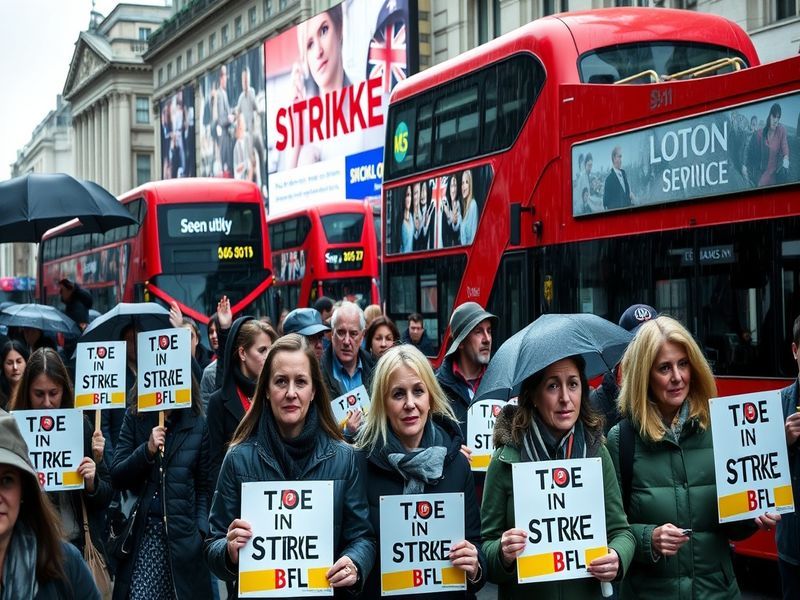
Public transport in London has once again ground to a halt as Transport for London (TfL) workers embark on another round of strikes. These walkouts, which have become increasingly frequent, are straining commuters, businesses, and the city’s economy. Here’s what you need to know about the causes, consequences, and potential resolutions.
The Immediate Impact on Londoners
For residents and workers in London, the strikes translate to crowded buses, shuttered Underground stations, and a scramble for alternative routes. Commuters who rely on TfL services face longer travel times, missed appointments, and the stress of unpredictable schedules. The disruptions ripple outward, affecting delivery drivers, taxi services, and even emergency responders who navigate the city’s congested streets.
Schools have reported absenteeism spikes as parents struggle with childcare, while small businesses in central London lament lost foot traffic. The strikes disproportionately impact lower-income workers who cannot afford flexible arrangements like remote work or private transport. Even tourists, a vital part of the city’s economy, find themselves stranded, altering their plans and spending less.
During previous strikes, TfL data showed a 40% reduction in Underground ridership and a 25% drop in bus services. While some workers adapt by cycling or walking, others face financial penalties for lateness or simply cannot make it to their jobs at all.
Why Are the Strikes Happening?
The current wave of industrial action stems from longstanding disputes over pay, working conditions, and pensions. Trade unions, including the RMT and Unite, argue that TfL’s cost-cutting measures—such as service reductions and outsourcing—have eroded job security and morale. Workers demand fair compensation that keeps pace with London’s soaring living costs, particularly housing and transport expenses.
Another flashpoint is pension reforms. TfL has proposed changes to its pension scheme, which unions claim would leave employees worse off in retirement. The pension debate is particularly contentious because it mirrors broader trends in the public sector, where defined benefit schemes are being phased out in favor of less generous alternatives.
Negotiations have repeatedly stalled, with both sides accusing the other of intransigence. TfL insists it must balance its budget amid declining fare revenue and government funding cuts. Meanwhile, unions accuse management of prioritizing shareholder returns over worker welfare. The deadlock shows no signs of easing, with no clear timeline for resolution.
Key Points Behind the Strikes
- Pay disputes: Workers demand wage increases to match inflation, while TfL cites financial constraints.
- Pension reforms: Proposed changes to retirement benefits have sparked outrage among unions.
- Job security: Outsourcing and service cuts have left many employees fearing for their future.
- Government funding gaps: Reduced subsidies from City Hall and Westminster exacerbate TfL’s financial woes.
- Union solidarity: Coordinated strikes across multiple unions amplify pressure on TfL and policymakers.
Broader Implications for London’s Future
The strikes are more than just temporary inconveniences; they highlight systemic issues in London’s transport network and its governance. TfL’s financial struggles reflect deeper challenges, including the city’s economic inequality and the cost-of-living crisis. As fares rise to offset budget shortfalls, the burden falls hardest on those who can least afford it—underscoring the need for progressive funding solutions.
Environmentalists also weigh in, noting that disruptions to public transport push more commuters toward cars and ride-sharing services, undermining London’s climate goals. The strikes disrupt the city’s push for net-zero emissions by 2030, as private vehicles emit far more CO2 per passenger than buses or the Tube.
Politically, the strikes put pressure on Mayor Sadiq Khan, who must balance appeasing unions with keeping TfL afloat. His administration faces criticism for both failing to secure adequate funding from central government and for mismanaging TfL’s resources. Meanwhile, the strikes fuel public frustration, with some voters blaming the mayor for the chaos while others sympathize with workers’ grievances.
For businesses, the repeated disruptions are a wake-up call. Companies that once relied on TfL’s punctuality are now investing in hybrid work policies, flexible hours, and even private shuttle services to mitigate future strikes. The long-term shift toward remote work, accelerated by the pandemic, may reduce some of the pressure on TfL—but it also risks hollowing out London’s commercial districts.
Is There a Path Forward?
Resolving the strikes will require compromise from both TfL and the unions. Potential solutions include phased pay increases tied to inflation, revised pension terms that protect workers without bankrupting TfL, and greater transparency in budget negotiations. Some advocates suggest exploring alternative funding models, such as congestion charges for private vehicles or increased taxes on short-term rentals and corporate profits.
Technology could also play a role in reducing the impact of strikes. TfL has experimented with real-time crowding updates and alternative route suggestions, but these tools are only as effective as the services they rely on. More robust contingency planning, such as pre-negotiated emergency bus routes or expanded bike-sharing programs, could help Londoners weather future disruptions.
Ultimately, the strikes are a symptom of a larger reckoning. London’s transport system, once a model of efficiency, now struggles under the weight of financial constraints, political gridlock, and social inequality. Without meaningful reform—whether in funding, labor policies, or governance—the cycle of strikes and disruptions is likely to continue.
“London’s transport network is the backbone of its economy, but it can’t function if the people who keep it running feel undervalued and overburdened.”
For more on London’s transport challenges and their wider impacts, explore our News and Analysis sections.