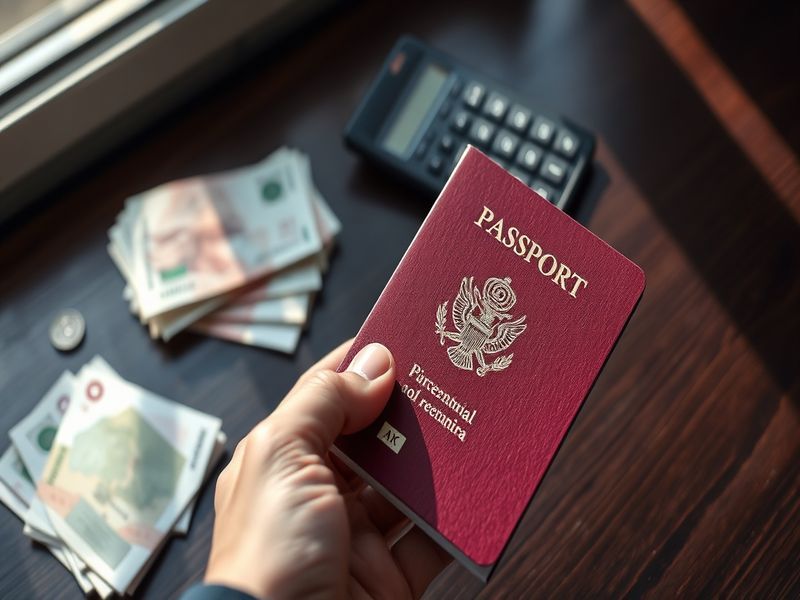
Understanding Passport Fees: A Comprehensive Overview
Passport fees are an essential consideration for anyone planning to travel internationally. These fees can vary significantly depending on a range of factors, including the passport type, the applicant’s age, and the processing speed. Understanding these fees is crucial for effective travel planning and budgeting.
Types of Passport Fees
When applying for a passport, there are several different fees that applicants may encounter. Here’s a breakdown of the primary fees associated with obtaining a passport:
- Application Fee: This is the standard fee required for both adult and child passports. Typically, adult passports cost more than those for minors.
- Expedited Service Fee: For those who need their passport processed quickly, an expedited service fee can be added to the standard application fee.
- Renewal Fee: Renewing an existing passport also requires a fee, which is generally lower than applying for a new one.
- Replacement Fee: If a passport is lost or stolen, there is a fee for obtaining a replacement.
- Passport Card Fee: This is an additional fee for those who wish to obtain a passport card, which is useful for land and sea travel between the U.S. and Canada, Mexico, the Caribbean, and Bermuda.
Each of these fees contributes to the overall cost of obtaining or renewing a passport. Understanding them can help travelers avoid unexpected expenses during their planning process.
Factors Influencing Passport Fees
Several factors can influence passport fees, making it essential for applicants to be aware of their specific circumstances. First, the age of the applicant plays a significant role. Adult passports tend to have a higher fee compared to children’s passports. Additionally, the method of application can also impact costs. Applying in person at a passport acceptance facility may involve additional service fees, whereas online applications might streamline the process without extra charges.
Another important factor is the urgency of the application. Expedited services, while costly, can be a lifesaver for those needing a passport on short notice. Furthermore, geographic location may also affect fees, as certain regions may have additional processing costs or varying application procedures.
Broader Implications of Passport Fees
The implications of passport fees extend beyond individual travelers. High fees can create barriers for lower-income individuals, limiting their ability to travel. This can have broader effects on cultural exchange and global understanding. When fewer people can afford to travel, it impacts tourism, international business, and even diplomatic relations.
Moreover, as global travel becomes increasingly complex due to geopolitical issues and health concerns, the structure of passport fees may need to adapt. Policymakers must consider the balance between covering administrative costs and ensuring that travel remains accessible to a broad segment of the population. As fees rise, discussions about the fairness and justification of such costs become more pertinent.
Conclusion
Understanding passport fees is essential for anyone planning international travel. By recognizing the various components of these fees and the factors influencing them, travelers can better prepare and budget for their journeys. Furthermore, the broader implications of these costs highlight the need for ongoing discussions about making travel accessible for all. As the world continues to evolve, so too should our approach to international travel and the associated costs.
For more information on travel-related topics, consider visiting our Travel section or explore our Culture category for insights on the impact of travel on cultural exchanges.