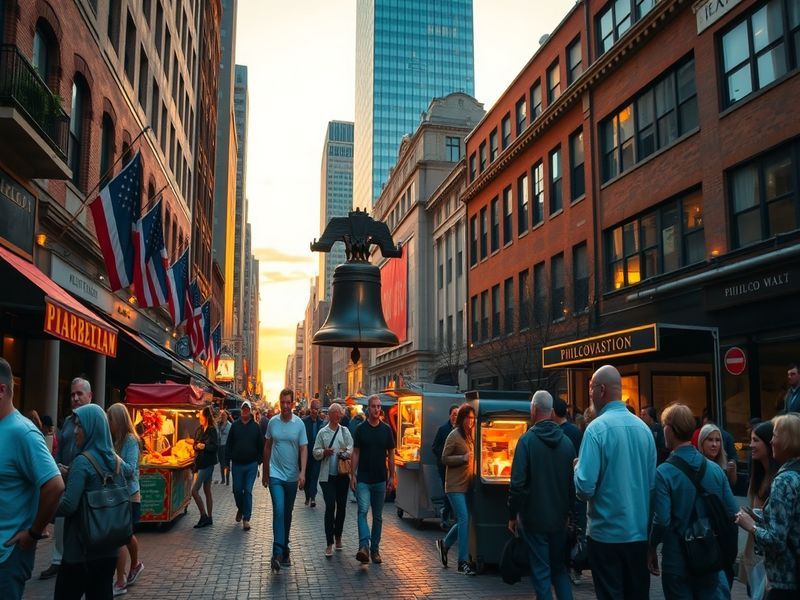
The soccer world rarely sees a matchup as culturally layered as América from Mexico City versus Philadelphia Union from Major League Soccer. This isn’t just a game between two teams—it’s a collision of histories, identities, and fan traditions that stretches from the streets of Mexico to the working-class neighborhoods of Philadelphia. América, known as Las Águilas (The Eagles), carries the weight of Mexican football’s most storied club, while Philadelphia Union represents the rise of soccer in a city where sports culture is deeply tied to blue-collar pride and immigrant communities.
What makes this fixture fascinating isn’t just the talent on the field—though both teams have produced world-class players—but the way the match reflects broader cultural currents in North American soccer. América’s dominance in Liga MX mirrors Mexico’s enduring passion for the sport, while Philadelphia’s underdog rise in MLS tells a story of soccer’s growing footprint in the United States. When these two clubs meet, they bring more than just points to the table; they bring stories, symbols, and a reflection of identity.
The Legacy of Club América: More Than a Team
Founded in 1916, Club América is one of the oldest and most successful clubs in North America. With 14 league titles and countless domestic cups, it’s a team synonymous with Mexican football’s golden era. But América isn’t just about trophies—it’s about representation. The club’s fanbase, known for its intensity and loyalty, comes from every corner of Mexico and beyond. The team’s yellow and blue colors are woven into the fabric of Mexican sports culture, and its matches are as much about national pride as they are about competition.
In a country where soccer is deeply tied to identity, América often stands as a unifying force. Whether in the capital or in Mexican diaspora communities across the U.S., the team’s matches are communal events. For Philadelphia’s large Mexican-American population, watching América play evokes nostalgia for home. The chants, the jerseys, the food—it’s a slice of Mexico transported to a city where Latino culture is a cornerstone of local life.
- Historical Dominance: América has won more league titles than any other Mexican club.
- Fan Culture: Known for vibrant, organized supporter groups like Las Barras who bring energy to every match.
- Global Reach: The club has a massive following in the U.S., particularly in cities with large Mexican populations like Los Angeles, Chicago, and Philadelphia.
Philadelphia Union: Soccer’s Blue-Collar Revolution
On the other side of the pitch stands the Philadelphia Union, a club that represents the evolution of soccer in the U.S. Established in 2008, the Union entered MLS as an underdog, playing in a city where soccer wasn’t always the top sport. But over the years, the team has carved out its own identity—one rooted in community, grit, and a connection to Philadelphia’s working-class roots.
The Union’s home, Subaru Park, is a modern soccer stadium built along the Delaware River, a far cry from the historic but often chaotic stadiums of Liga MX. The team’s fan culture is less about spectacle and more about authenticity. Groups like the Souderton Section and The Iggles (a nod to Philadelphia’s love for the Eagles NFL team) bring a no-frills, hardworking ethos to the stands. This blue-collar mentality resonates with América’s fanbase, which often sees soccer as a reflection of life’s struggles and triumphs.
Interestingly, Philadelphia’s soccer culture has been shaped by immigration. The city’s Latino community, particularly Puerto Rican and Dominican populations, has played a key role in growing the sport locally. While América represents Mexican identity, the Union embodies the broader story of soccer’s rise in the U.S.—a sport that’s no longer just for elite academies but for neighborhoods where kids play in empty lots and dream of making it big.
When Two Worlds Collide: The Cultural Significance of the Matchup
When América and Philadelphia Union face off, it’s more than a friendly or a CONCACAF tournament game—it’s a cultural exchange. The players on the field often reflect this duality. Many Mexican stars have donned the Union’s jersey, including Julián Carranza and Alejandro Bedoya, who bring Liga MX flair to MLS. Conversely, América has signed American talents like Joe Corona, showing the fluidity of talent between leagues.
For fans, the matchup is a chance to celebrate shared passions while acknowledging differences. América supporters might arrive at Subaru Park with mariachi music playing in their minds, while Union fans might bring the raucous energy of an Eagles tailgate. The clash isn’t just tactical—it’s a collision of styles, languages, and traditions.
This cultural blending is a microcosm of North American soccer’s future. As Liga MX and MLS continue to integrate—through competitions like the Leagues Cup and player transfers—the boundaries between “Mexican soccer” and “American soccer” are blurring. América vs. Philadelphia isn’t just a game; it’s a preview of what soccer in North America could look like: a rich tapestry of influences, where every match tells a deeper story.
A Look Ahead: What This Rivalry Means for Soccer’s Growth
The growing relationship between Liga MX and MLS is reshaping soccer in North America. Competitions like the Leagues Cup and Campeones Cup have given fans more opportunities to see cross-border rivalries like América vs. Philadelphia. These matches aren’t just about bragging rights—they’re about building a fanbase that spans two countries, two leagues, and countless communities.
For América, the games in Philadelphia are a chance to expand its brand and connect with Mexican-Americans who may not live in Mexico but still bleed yellow and blue. For the Union, it’s an opportunity to showcase Philadelphia’s unique soccer culture on a bigger stage. And for fans, it’s a reminder that soccer is more than just a sport—it’s a bridge between cultures.
As the rivalry continues to develop, one thing is clear: América vs. Philadelphia is more than a game. It’s a cultural touchstone, a celebration of diversity, and a glimpse into the future of soccer in North America.
The next time these two teams meet, pay attention not just to the scoreboard, but to the chants, the jerseys, and the stories in the stands. That’s where the real magic happens.