Celebrating Father’s Day in Spain
Father’s Day, known as “Día del Padre” in Spain, is a cherished occasion that honors fathers and father figures across the nation. This celebration takes place on March 19th, coinciding with the feast day of Saint Joseph, the earthly father of Jesus Christ. The day serves as a reminder of the important role fathers play in families and society at large.
Traditions and Customs
In Spain, Día del Padre is celebrated with a variety of traditions and customs that can differ from region to region. Families often come together to honor their fathers with gifts, special meals, and heartfelt gestures. Here are some common ways that Spaniards celebrate this day:
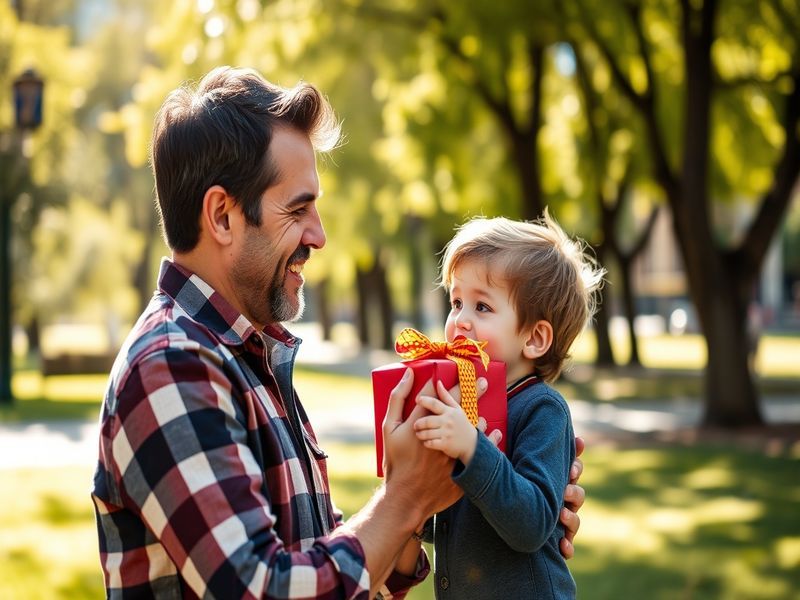
- Gift Giving: Children typically give their fathers gifts ranging from handmade cards to more elaborate presents, such as clothing or gadgets.
- Family Meals: Many families gather for a special meal, often featuring traditional Spanish dishes. Restaurants may offer special menus for the occasion.
- Outdoor Activities: In some areas, families take advantage of the spring weather by enjoying outdoor activities like picnics or hiking.
- Personal Messages: Many children express their love and appreciation through letters or messages, highlighting the bond they share with their fathers.
Regional Variations
While March 19th is the official Día del Padre, some regions in Spain celebrate on different dates or have unique customs. For instance, in Catalonia, the festival is celebrated with a strong emphasis on the culinary aspect. Traditional foods like “canelons” or “crema catalana” are often enjoyed during family gatherings. In contrast, the Basque Country might incorporate local traditions and festivals into their celebrations, showcasing the rich cultural diversity of Spain.
The Broader Implications of Celebrating Fatherhood
Celebrating Father’s Day in Spain is more than just a day of gift-giving; it reflects the evolving perception of fatherhood and family dynamics in contemporary society. Traditionally, fathers were often viewed primarily as providers. However, modern interpretations emphasize emotional support, nurturing, and active participation in raising children.
This shift has implications for how society views fatherhood, leading to discussions about gender roles and parental responsibilities. As more fathers take on caregiving roles, the significance of Día del Padre evolves, reinforcing the idea that fatherhood encompasses a wide range of responsibilities, from providing financial stability to being emotionally present.
In addition, the day serves as a reminder of the importance of strong family bonds. It encourages conversations about family values, respect, and appreciation, fostering a sense of unity and love among family members. Such values are essential in today’s fast-paced world, where family connections can sometimes be overlooked.
Conclusion
Día del Padre in Spain is a celebration steeped in tradition yet evolving with the times. It honors the vital role fathers play in families and society while reflecting broader changes in perceptions of fatherhood. As families gather to celebrate this day, they not only express their love and appreciation but also engage in discussions about the values that bind them together. Whether through gifts, meals, or quality time spent together, the essence of Día del Padre is about cherishing the relationships that shape our lives. To explore more cultural celebrations and family traditions, check out our sections on Culture and Family.