High Point vs. Wisconsin: Key Differences in Culture and Economy
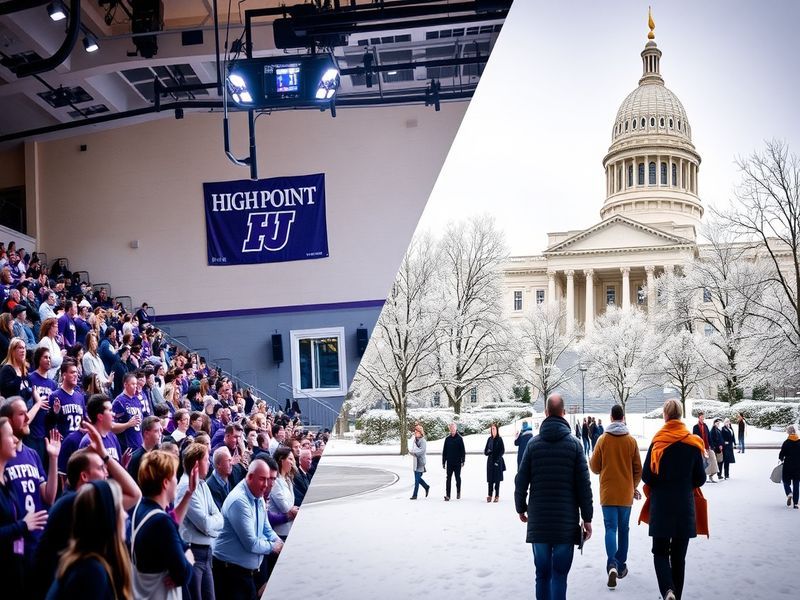
When comparing High Point, North Carolina, to the state of Wisconsin, one finds two distinct worlds separated by geography, economy, and lifestyle. High Point, a city of roughly 110,000 residents, sits in the Piedmont Triad region of North Carolina, known for its furniture industry and moderate climate. Wisconsin, meanwhile, is a Midwestern state with over 5.8 million people, celebrated for its dairy production, outdoor recreation, and four distinct seasons. These differences extend beyond mere statistics, shaping the daily lives, economic opportunities, and cultural identities of each place.
Economic Foundations: Furniture Hub vs. Dairy Powerhouse
High Point’s economy has long revolved around furniture manufacturing and trade. The city hosts the High Point Market, the largest home furnishings trade show in the world, drawing buyers and exhibitors from across the globe twice a year. This event injects hundreds of millions of dollars into the local economy and supports thousands of jobs in manufacturing, design, and logistics. Furniture giants like Furnitureland South and Bernhardt have deep roots in the area, reinforcing High Point’s reputation as the “Furniture Capital of the World.”
Wisconsin, on the other hand, is synonymous with dairy. The state produces over 2.6 billion pounds of cheese annually, earning it the nickname “America’s Dairyland.” Agriculture remains a cornerstone of the state’s economy, with dairy farms dotting the rural landscape, particularly in the central and eastern regions. While Wisconsin also supports manufacturing and tourism—especially in cities like Milwaukee and Madison—the agricultural sector remains its most iconic and economically significant industry. The contrast is stark: one place thrives on wood and upholstery, the other on milk and cheese.
Both regions face challenges. High Point’s furniture industry has seen increased competition from overseas manufacturers, prompting local businesses to emphasize innovation and customization. Wisconsin dairy farmers grapple with fluctuating milk prices, labor shortages, and environmental regulations. Yet each has adapted in its own way—High Point by hosting global trade events and Wisconsin by investing in value-added dairy products like specialty cheeses and yogurt.
Climate and Geography: Southern Comfort vs. Four Seasons
High Point enjoys a humid subtropical climate, characterized by hot summers, mild winters, and moderate rainfall throughout the year. The city experiences an average of 210 sunny days annually, making it ideal for outdoor events like the High Point Market. The terrain is gently rolling, with the nearby Uwharrie Mountains offering scenic hiking and outdoor recreation. This climate supports a long growing season, allowing for a variety of crops and a vibrant gardening culture.
Wisconsin, in contrast, offers a true four-season experience. Winters are cold and snowy, with average temperatures in January dipping below 20°F (-7°C) in many areas. Summers are warm and humid, often reaching the mid-80s (°F). The state’s geography is more varied, featuring the Great Lakes shoreline, dense forests in the north, and fertile farmland in the south. This diversity fosters a strong outdoor recreation culture, from ice fishing and snowmobiling in winter to kayaking and hiking in summer.
The seasonal differences influence daily life profoundly. In High Point, residents enjoy outdoor dining well into October and can garden year-round with proper planning. Wisconsin residents, meanwhile, embrace winter with activities like ice hockey, cross-country skiing, and cozy cabin retreats. The climates shape not only lifestyles but also industries—tourism in Wisconsin peaks in both summer and winter, while High Point’s events are more evenly distributed throughout the year.
Cultural Identity and Community Life
High Point’s cultural identity is closely tied to its furniture heritage. The city hosts several museums and historic sites, including the High Point Museum, which chronicles the region’s transformation from a small railroad stop to a furniture manufacturing center. The community places a strong emphasis on arts and events, with venues like the Steven Tanger Center for the Performing Arts bringing Broadway shows and concerts to the area. The city’s diversity is growing, particularly with an influx of professionals drawn to the furniture industry and nearby cities like Greensboro and Winston-Salem.
Wisconsin’s cultural identity is more regionally diverse. The state is known for its strong ties to German, Scandinavian, and Native American heritage, reflected in festivals like Milwaukee’s German Fest and the Eau Claire Festival of Native American Culture. Cities like Madison and Milwaukee boast thriving arts scenes, with numerous galleries, theaters, and music venues. The rural areas maintain a strong sense of tradition, with many small towns hosting annual festivals celebrating everything from cheese curds to walleye fishing.
Community life in both regions is shaped by these cultural underpinnings. High Point’s neighborhoods often revolve around local schools, churches, and community centers, with a growing emphasis on urban revitalization. Wisconsin’s communities are more spread out, with a strong focus on local gatherings, farmers markets, and volunteer organizations. Both places value hospitality—High Point is often described as friendly and welcoming, while Wisconsinites are famously known for their neighborly spirit and strong work ethic.
Education and Innovation: Investing in the Future
Education plays a pivotal role in both High Point and Wisconsin. High Point is home to High Point University, a private liberal arts institution known for its modern campus and strong emphasis on student success. The university has become a major economic driver, attracting young professionals and contributing to the city’s growing tech and healthcare sectors. Nearby, institutions like Guilford College and North Carolina A&T State University in Greensboro further enrich the educational landscape.
Wisconsin boasts a robust public university system, led by the University of Wisconsin-Madison, which is consistently ranked among the top public universities in the nation. The state also supports technical colleges and research institutions like the Morgridge Institute for Research, which focuses on biomedical science. Wisconsin’s commitment to education is evident in its investment in K-12 schools, particularly in rural districts where strong public education systems are vital to community stability.
Innovation is taking root in different ways. High Point is leveraging its furniture industry expertise to explore smart home technology and sustainable manufacturing. Wisconsin is investing in agricultural technology, renewable energy, and advanced manufacturing, particularly in the Milwaukee area. Both regions recognize that education and innovation are key to long-term growth and resilience.
Key Takeaways: What Sets Them Apart
While High Point and Wisconsin differ in nearly every measurable way, they share a deep commitment to their communities and a willingness to adapt to changing times. High Point’s identity is rooted in craftsmanship and global trade, while Wisconsin’s is built on agriculture and seasonal rhythm. Each offers a unique quality of life, shaped by its history and environment.
For those considering a move or simply curious about these regions, the choice often comes down to priorities. Do you value a warm climate, a thriving trade culture, and proximity to the South’s urban centers? High Point may be the place for you. Or do you prefer four distinct seasons, a strong agricultural identity, and a slower pace of life? Wisconsin could be your ideal destination.
Ultimately, both High Point and Wisconsin offer rich, rewarding experiences. They remind us that diversity in geography and culture isn’t just about differences—it’s about the unique ways communities thrive within their own contexts.
Explore More
Interested in learning about other thriving communities? Visit our Trending page for more regional comparisons and insights into cultural shifts across the country.
For deeper analysis on economic trends shaping American cities, check out our Analysis section.