Understanding Eid: Celebrations Across Cultures
Eid is a significant festival celebrated by millions around the globe, marking the end of Ramadan or commemorating the sacrifice of Ibrahim. The two main Eid celebrations, Eid al-Fitr and Eid al-Adha, hold deep religious and cultural significance for Muslims worldwide. Understanding the essence of Eid helps to appreciate the diversity of practices and traditions associated with this occasion.
Eid al-Fitr: A Celebration of Breaking the Fast
Eid al-Fitr, often referred to as the “Festival of Breaking the Fast,” occurs at the conclusion of Ramadan, the holy month of fasting. This festival is a time of joy, gratitude, and community. Families come together to share meals, give charity, and participate in prayers. The day begins with a special prayer service, known as the Salat al-Eid, performed in congregation, often in large open spaces or mosques.
Key elements of Eid al-Fitr include:
- Charity (Zakat al-Fitr): Before the Eid prayer, Muslims are required to give to charity, ensuring that those in need can partake in the festivities.
- Feasting: Families prepare elaborate meals, featuring traditional dishes that vary by region, celebrating the end of a month of fasting.
- New Clothes: It is customary to wear new or best clothes, symbolizing renewal and joy.
- Gifts and Greetings: Exchanging gifts, especially for children, is a common practice, along with the greeting “Eid Mubarak,” meaning “Blessed Eid.”
Eid al-Adha: Commemorating Sacrifice
Eid al-Adha, or the “Festival of Sacrifice,” takes place approximately 70 days after Eid al-Fitr and coincides with the annual Hajj pilgrimage in Mecca. This festival honors the willingness of Ibrahim to sacrifice his son as an act of obedience to God. Instead of fasting, this Eid is marked by the act of sacrifice, where an animal is slaughtered, and its meat is distributed among family, friends, and the less fortunate.
The practices associated with Eid al-Adha include:
- Prayer: Similar to Eid al-Fitr, a special prayer is held, emphasizing community and spiritual reflection.
- Animal Sacrifice: Families sacrifice a sheep, goat, or cow, with the meat divided into three parts: one for the family, one for relatives, and one for the needy.
- Community Gatherings: This day fosters community spirit, as people come together to share meals and celebrate.
- Acts of Kindness: Giving to charity and helping those in need is particularly emphasized, reinforcing the importance of compassion.
The Global Significance of Eid
Eid is celebrated differently around the world, influenced by local customs, traditions, and cultures. In countries like Indonesia, Malaysia, and Turkey, unique regional practices enrich the festivities. For instance, in Indonesia, Eid al-Fitr is celebrated with a special dish called “ketupat,” while in Turkey, families may gather to enjoy “simit” and other traditional pastries.
In addition to culinary variations, the cultural expressions of Eid include:
- Festivals: Many countries host public celebrations, including parades, fairs, and community events, allowing for a festive atmosphere.
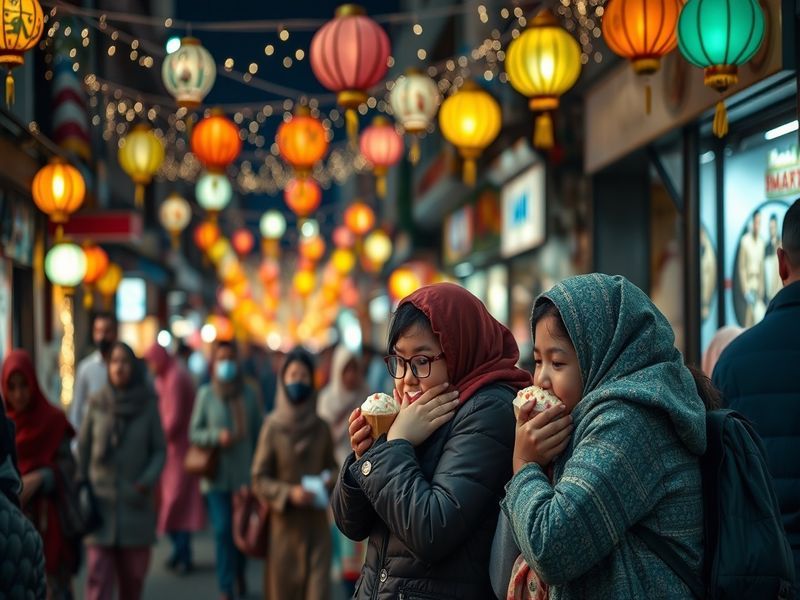
- Decorations: Homes and public spaces are adorned with lights and decorations, symbolizing joy and festivity.
- Cultural Performances: Music, dance, and theatrical performances often take place, showcasing local traditions and artistic expressions.
Moreover, Eid transcends religious boundaries, fostering interfaith dialogue and understanding. In multicultural societies, non-Muslims often participate in Eid celebrations, demonstrating solidarity and respect for diverse cultures.
Conclusion: The Essence of Eid
Eid is more than a religious observance; it is a celebration of community, generosity, and gratitude. The festival’s significance lies in its ability to bring people together, transcending cultural and geographical divides. Whether through the joyous breaking of fast during Eid al-Fitr or the solemn act of sacrifice during Eid al-Adha, the essence of Eid is a reminder of compassion, unity, and the importance of sharing one’s blessings with others. As communities around the world prepare to celebrate, the spirit of Eid continues to inspire hope and togetherness.
For more insights on cultural celebrations, visit our Culture section. Additionally, explore our News category for updates on global events.