The Significance of Eid in Pakistan
Eid in Pakistan is a vibrant and deeply cherished celebration that marks the end of Ramadan, the holy month of fasting. The two major Eids celebrated in Pakistan are Eid-ul-Fitr and Eid-ul-Adha, each carrying its own unique significance and customs. Eid-ul-Fitr celebrates the conclusion of Ramadan, while Eid-ul-Adha commemorates the willingness of Ibrahim (Abraham) to sacrifice his son in obedience to God.
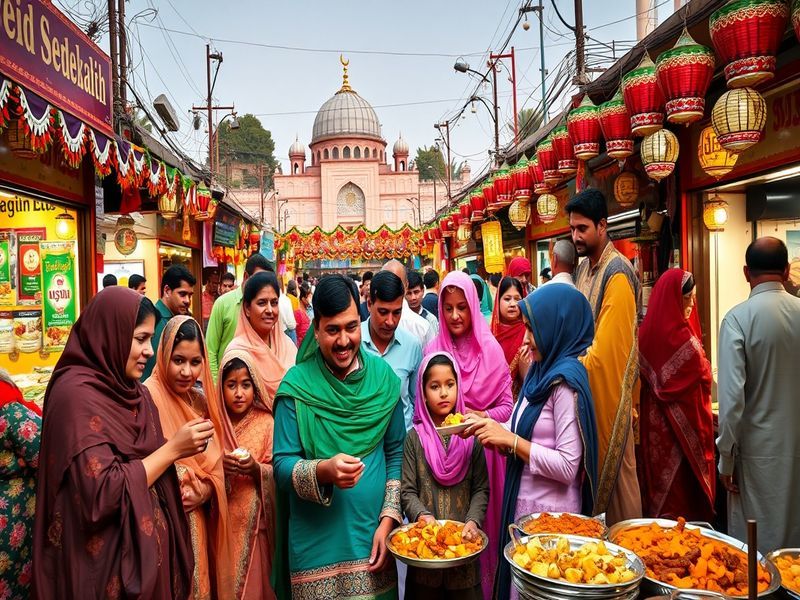
During these occasions, families come together to express gratitude, share meals, and partake in communal prayers. The atmosphere is filled with joy and festivity, and the streets are adorned with lights and decorations. It is a time for reflection, charity, and strengthening social bonds.
Celebrations and Traditions
The way Eid is celebrated in Pakistan varies across regions, but certain traditions remain consistent. Preparations for Eid begin well in advance, with families cleaning and decorating their homes. Special dishes are prepared, and new clothes are often bought in anticipation of the festivities.
Here are some common traditions observed during Eid in Pakistan:
- Special Prayers: On Eid morning, Muslims gather at mosques and open grounds for communal prayers.
- Charity (Zakat): Many people give to charity, ensuring that everyone can partake in the celebrations.
- Feasting: Families prepare traditional dishes such as biryani, kebabs, and sweets like sheer khurma.
- Gifts and Greetings: Exchanging gifts and greeting one another with “Eid Mubarak” is customary.
Economic Impact of Eid Celebrations
Eid not only has cultural significance but also a considerable economic impact in Pakistan. The festive season boosts various sectors, including retail, food, and travel. Markets see a surge in sales as families shop for new clothing, gifts, and food items. Small businesses often see their profits soar during this time.
The demand for traditional sweets and dishes also increases, leading to a bustling environment for local vendors. Many families travel to their hometowns to celebrate with loved ones, which further stimulates the economy. While the celebration is joyous, it also highlights the disparity between affluent and less fortunate communities, prompting discussions about charity and support for those in need.
The Role of Social Media in Eid Celebrations
In recent years, social media has transformed how Eid is celebrated and shared. Platforms like Instagram and Facebook become vibrant showcases of celebrations, with people sharing photos, videos, and messages of goodwill. This digital interaction fosters a sense of community among those who may be far from home.
Influencers and celebrities often share their Eid experiences, which can set trends in fashion and food. Hashtags related to Eid celebrations gain traction, allowing individuals to connect over shared traditions and experiences. However, this digital landscape also raises concerns about the commercialization of the holiday and the pressure to present an idealized version of celebration.
For more insights into cultural festivities, visit our Culture section. To explore the economic aspects of celebrations, check out our Business category.
Conclusion
Eid in Pakistan is a multifaceted celebration that encompasses spiritual reflection, cultural traditions, and economic activity. As families come together to celebrate, the essence of the holiday remains rooted in gratitude, charity, and unity. While the festivities evolve with the influence of modern society, the core values of Eid continue to endure, making it a significant event for millions across the nation.