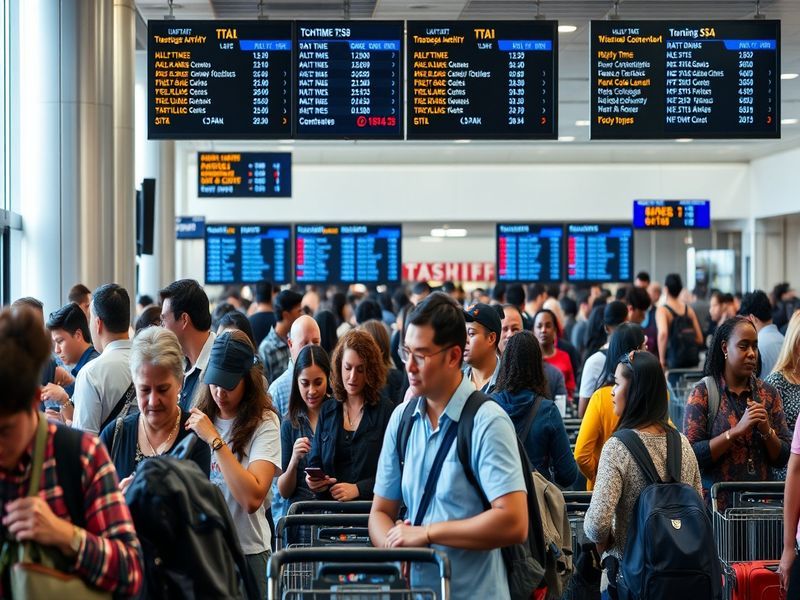
Atlanta Airport TSA Wait Times: 2024 Guide for Travelers
Hartsfield-Jackson Atlanta International Airport (ATL) remains the busiest airport in the world, handling over 93 million passengers annually. With such massive traffic comes inevitable challenges—and one of the most pressing for travelers is TSA security wait times. Whether you’re a frequent flyer or planning a long-awaited vacation, understanding current wait times can mean the difference between catching your flight and scrambling through security.
In 2024, TSA wait times at ATL have seen fluctuations based on seasonality, staffing levels, and operational changes. While the TSA has implemented new technologies and processes to streamline security, peak travel periods still lead to significant delays. This article breaks down everything you need to know about TSA wait times at Atlanta Airport, from real-time tracking tools to strategies for minimizing your time in line.
How TSA Wait Times Are Measured and Reported
The Transportation Security Administration (TSA) provides public updates on security wait times through its official website. These wait times are calculated based on the average time passengers spend in security lines from the moment they enter the checkpoint queue until they pass through screening. The TSA updates this data every 15 minutes, offering a near real-time snapshot of conditions at each airport terminal.
At ATL, wait times vary significantly by terminal and time of day. Terminal F, primarily used for international flights, tends to have longer wait times due to additional screening requirements. Domestic terminals (A–E) experience shorter average waits, though this can change during peak hours. The TSA also categorizes wait times into three tiers:
- Under 15 minutes: Smooth sailing—ideal for travelers with tight connections.
- 15–30 minutes: Moderate delays—plan accordingly if traveling during these windows.
- Over 30 minutes: High risk of missing your flight—consider arriving earlier or checking alternative security lanes.
For the most accurate and up-to-date information, travelers should check the TSA’s official wait time tool before leaving for the airport. However, these numbers are estimates and can fluctuate based on unexpected surges in passenger volume or operational issues.
Factors That Influence TSA Wait Times at ATL
Several key factors contribute to TSA wait times at Atlanta Airport, and understanding them can help you plan your trip more effectively. One of the biggest influencers is time of year. During peak travel seasons—such as summer vacations, spring break, and the winter holidays—security lines can double or even triple in length. The 2024 Fourth of July weekend, for example, saw average wait times exceed 40 minutes at some ATL terminals, with some travelers reporting waits of over an hour.
Staffing levels also play a critical role. The TSA has struggled with recruitment and retention in recent years, leading to understaffed checkpoints during certain shifts. Atlanta’s reliance on seasonal workers during busy periods further complicates this issue. In response, the TSA has introduced programs like the PreCheck expansion and automated screening lanes to alleviate congestion, but these solutions are not yet universally implemented.
Another factor is the terminal you’re departing from. Terminal F, which handles international flights, requires additional screening for customs and agriculture inspections, often leading to longer wait times. Domestic terminals (A–E) are generally faster, but even within these terminals, wait times can vary. For instance, Terminal B, which serves Delta Air Lines’ largest hub, often experiences higher passenger volume and subsequently longer lines.
Lastly, technological advancements are slowly improving efficiency. ATL has been a testing ground for TSA’s CT (Computed Tomography) scanners, which provide 3D images of carry-on bags, reducing the need for manual inspections. While these scanners are not yet available at every checkpoint, their adoption is expected to grow, potentially cutting wait times by 10–15% in the coming years.
Strategies to Beat the TSA Wait at Atlanta Airport
For travelers determined to minimize their time in security lines, a few proactive strategies can make a significant difference. First and foremost: enroll in TSA PreCheck. Approved members enjoy expedited screening, with most passing through security in under five minutes. As of 2024, PreCheck enrollment centers are available at ATL, and the application process takes about 5–7 days for a background check. The $85 fee may seem steep, but frequent flyers often find it well worth the investment.
Another option is CLEAR, a private security program that uses biometric scanning (fingerprints and eye recognition) to bypass TSA lines entirely. CLEAR kiosks are located in the domestic terminals at ATL, and while the service costs $189 per year, it can be a lifesaver during peak travel periods. Some credit cards, like the Chase Sapphire Reserve, offer reimbursement for CLEAR memberships, making it a more accessible option for some travelers.
Timing your arrival at the airport is also crucial. The TSA’s busiest periods are typically between 5:00 AM and 9:00 AM, as well as 2:00 PM and 6:00 PM. If your flight departs during these windows, aim to arrive at least two hours early. Conversely, mid-morning or early-afternoon flights often have shorter wait times. Weekdays are generally less crowded than weekends, though this can vary depending on holidays or special events.
Finally, consider using ATL’s TSA Mobile App, which provides real-time wait time updates and allows you to check security line status before leaving home. The app also includes a feature to track your flight status, helping you coordinate your arrival time more precisely. For those who prefer not to rely on apps, ATL’s website and digital monitors throughout the terminals display current security wait times.
What to Do If You’re Running Late or Encounter Long Waits
Even with the best planning, long TSA wait times can still derail your travel plans. If you find yourself in this situation, there are a few steps you can take to mitigate the damage. First, ask a TSA officer if there’s a faster lane available—sometimes express lanes or TSA PreCheck lines are underutilized and can accommodate travelers with tight connections.
If your flight is at risk of departure, head immediately to the gate and speak with an airline representative. Many airlines will hold flights for passengers who are stuck in security, especially if you provide proof of your situation (such as a TSA wait time screenshot). While this isn’t guaranteed, it’s worth a try if you’re in a true time crunch.
For international travelers, consider the Global Entry program, which expedites customs and immigration processing upon re-entering the U.S. While this doesn’t directly impact TSA security lines, it can save significant time after your flight lands. Atlanta Airport is a Global Entry enrollment center, and the application process includes an in-person interview.
Lastly, if you’re a frequent traveler, consider signing up for airline-specific programs like Delta Sky Priority or American Airlines’ AAdvantage. These programs often provide access to expedited security lanes or dedicated checkpoints, further reducing your wait time. While these perks are typically reserved for elite status members, they can sometimes be purchased or earned through credit card spending.
Looking Ahead: The Future of TSA Security at ATL
The TSA and ATL airport authorities are continuously working to improve security efficiency. One of the most anticipated developments is the expansion of automated screening lanes, which use advanced imaging technology and conveyor belts to process bags faster. These lanes, already in place at some ATL checkpoints, are expected to become more widespread in the coming years.
Another potential game-changer is the integration of artificial intelligence (AI) into security screening. The TSA has been testing AI-powered threat detection systems that can analyze X-ray images of carry-on bags in real time, reducing the need for manual inspections. If these systems prove effective, they could significantly cut wait times, particularly during peak travel periods.
For travelers, staying informed about these changes—and adjusting your travel habits accordingly—will be key to navigating ATL’s security lines in the future. Whether it’s enrolling in PreCheck, downloading the TSA app, or simply adjusting your arrival time, small steps can lead to a much smoother journey through one of the world’s busiest airports.
Atlanta Airport’s TSA wait times may never disappear entirely, but with the right tools and strategies, you can minimize the stress and ensure you reach your gate on time. Safe travels!