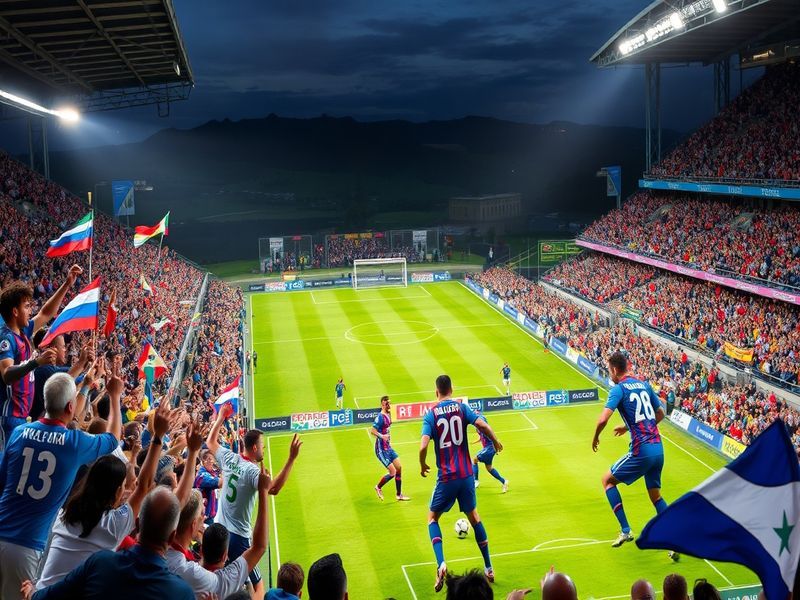
Football Beyond the Pitch
When Serie A returns after the winter break, one fixture always stirs more than just sporting interest. The clash between Cagliari and Napoli isn’t just about three points—it’s a collision of identities, histories, and philosophies that reflect broader cultural currents across Italy and beyond. Cagliari, the resilient island club from Sardinia, faces Napoli, the vibrant southern powerhouse with a global following. This isn’t merely a football match; it’s a narrative of geography, migration, and pride.
Cagliari Calcio was founded in 1920, long before Sardinia became a symbol of Italian summer dreams for tourists. The club has weathered financial crises, relegation battles, and the isolation of being the only major team from an island. That distance isn’t just physical—it’s cultural. Cagliari fans, known for their loyalty, often feel overlooked in a league dominated by northern giants. Their stadium, the Unipol Domus, sits near the Mediterranean, where the sea breeze carries echoes of Phoenician traders, Roman settlers, and Catalan merchants. Football here is more than sport; it’s a declaration of existence.
The Contrast in Narratives
Napoli, on the other hand, is a club that has outgrown its city. Founded in 1926, SSC Napoli rose to global prominence under Diego Maradona in the 1980s, becoming a symbol of resistance for the working class in a region often neglected by Rome and Milan. Today, under Maurizio Sarri and later Gennaro Gattuso, Napoli plays a brand of football that blends tactical sophistication with emotional intensity. Their fans, the tifosi, fill the Stadio Diego Armando Maradona with choreographed displays, turning matches into theatrical experiences.
This contrast extends beyond the pitch. While Napoli’s rise has been chronicled in documentaries and celebrated in European tournaments, Cagliari’s story remains underrepresented. Yet both clubs share something fundamental: they are products of their environments. Cagliari’s football reflects the rugged individualism of Sardinia—defensive resilience, counterattacks, and a refusal to be overshadowed. Napoli embodies the fiery passion of the Mezzogiorno—creative freedom, pressing, and a belief in beauty over pragmatism.
Tactical Chess on the Mediterranean
When these two teams meet, the tactical battle often mirrors their cultural clash. Cagliari, under managers like Rolando Maran or Walter Mazzarri, typically sets up in a low block, inviting pressure before striking on the break. Their style reflects the island’s strategic heritage—patience, discipline, and exploiting weaknesses. Napoli, under current manager Francesco Calzona, prefers to dominate possession, pressing high and building from the back. Their approach mirrors the Neapolitan spirit: expressive, ambitious, and unapologetic.
The tactical duel isn’t just about formations. It’s about mindset. Cagliari plays as if every match is a siege; Napoli attacks as if every game is a festival. This philosophical divide has led to memorable encounters. In 2019, Napoli won 4-0 at home, a performance that felt like an assertion of dominance. Yet Cagliari has pulled off surprises, like their 2-1 victory in 2021, where a disciplined defensive display frustrated Napoli’s rhythm.
A Global Lens: Football as Identity
From an international perspective, the Cagliari vs Napoli fixture highlights how football clubs serve as cultural ambassadors. Napoli’s global fanbase includes Argentines who see Maradona as a saint, Africans who relate to the club’s underdog status, and Europeans who admire their style. Cagliari, though smaller, has a niche following among travelers who cherish Sardinia’s authenticity. Football here isn’t just entertainment; it’s a lens through which communities define themselves.
This dynamic isn’t unique to Italy. Across Europe, clubs from peripheral regions—think Athletic Bilbao in Spain or Celtic in Scotland—use football to assert regional pride. In Italy, Napoli and Cagliari represent the duality of southern identity: one as a rising force, the other as a steadfast survivor. Their matches remind us that football is a mirror of society, reflecting struggles, dreams, and the unbreakable bonds between place and people.
Key Factors in the Modern Era
Several elements now shape this rivalry beyond tradition:
- Managerial Impact: Napoli’s recent success under Luciano Spalletti and now Calzona has raised expectations, while Cagliari’s managerial carousel reflects their perpetual fight against relegation.
- Player Exodus: Napoli’s ability to develop and sell stars (like Victor Osimhen) contrasts with Cagliari’s reliance on loan players and academy graduates.
- Financial Realities: Cagliari’s struggles with financial fair play rules highlight the imbalance in Serie A’s economic landscape.
- Fan Culture: Napoli’s curva remains one of Europe’s most vibrant, while Cagliari’s supporters maintain a fiercely local identity.
These factors ensure that every Cagliari vs Napoli match is more than a game—it’s a barometer of Italian football’s evolving identity.
A Match That Transcends Sport
The Cagliari vs Napoli fixture is a reminder that football’s power lies in its ability to tell stories. It’s the story of a city that refuses to be forgotten. It’s the story of a club that turned a local passion into a national movement. It’s the story of two worlds colliding on the pitch, only to find common ground in the universal language of sport.
In an era where football is increasingly dominated by financial power and global superstars, matches like this one offer a counter-narrative. They remind us that football is still deeply human—a reflection of where we come from, where we are, and where we hope to go. Whether it’s the windswept stadiums of Sardinia or the vibrant streets of Naples, the passion remains the same. And that’s why these matches matter.
For fans, it’s not just about the result. It’s about the feeling of belonging, the pride in one’s roots, and the shared joy of seeing your team stand tall. In a world of fleeting trends and instant gratification, Cagliari and Napoli offer something timeless: a connection to something bigger than themselves.
As the two teams prepare to face off again, one thing is certain. On the pitch, they will battle for points. Off the pitch, they will tell a story that resonates far beyond the final whistle.
Explore more football stories: Browse our Sports section for in-depth analysis and coverage.
Related reads: Discover how other underdog clubs are making their mark in our Analysis archives.