Donald Trump’s Impact on U.S.-Israel Relations: A Global Perspective
Donald Trump’s Influence on U.S.-Israel Relations
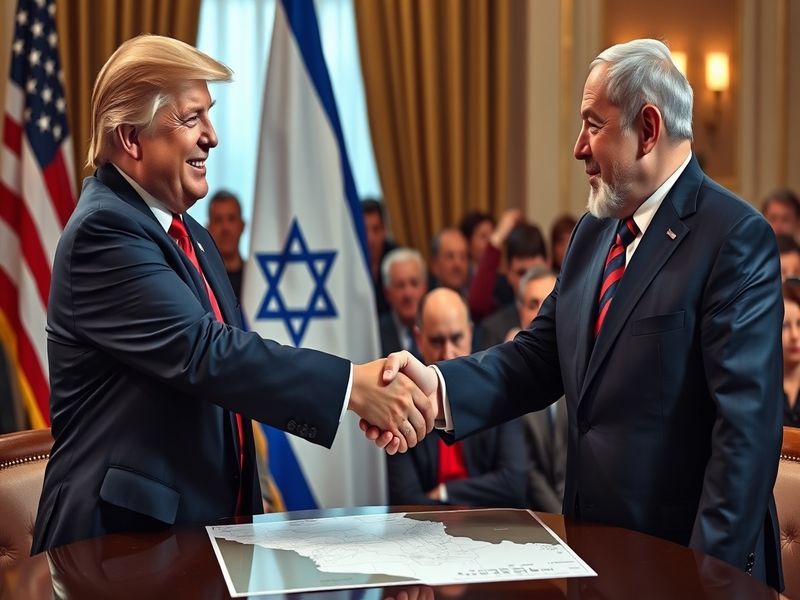
Donald Trump’s presidency marked a significant period in U.S.-Israel relations. His administration took bold steps that not only altered the bilateral relationship but also affected global perceptions of the Middle East conflict. The recognition of Jerusalem as Israel’s capital and the subsequent relocation of the U.S. embassy were pivotal moments that underscored this shift in policy.
One of the most notable aspects of Trump’s approach was his willingness to challenge traditional diplomatic norms. The decision to recognize Jerusalem as Israel’s capital in December 2017 was met with both praise and condemnation. Supporters hailed it as a long-overdue acknowledgment of Israel’s sovereignty, while critics argued it undermined peace efforts with Palestinians, who also claim Jerusalem as their capital.
Key Policies and Initiatives
During his tenure, Trump implemented several key initiatives that transformed the U.S.-Israel dynamic. Here are some of the most significant:
- Jerusalem Embassy Move: In May 2018, the U.S. officially moved its embassy to Jerusalem, a decision that drew widespread international attention.
- Abraham Accords: Trump’s administration brokered normalization agreements between Israel and several Arab nations, including the United Arab Emirates and Bahrain.
- Withholding Aid: The Trump administration also withheld aid from the Palestinian Authority, arguing that it was necessary to push for a peace agreement.
- Withdrawal from the Iran Nuclear Deal: Trump’s exit from the 2015 Iran nuclear agreement was viewed as a move to strengthen Israel’s security against perceived Iranian aggression.
These actions not only solidified Trump’s support among certain pro-Israel groups but also reshaped the geopolitical landscape of the region. The Abraham Accords, in particular, marked a significant shift in Arab-Israeli relations, as they opened the door for diplomatic relations that were previously unthinkable.
Cultural and Global Reactions
The global response to Trump’s policies varied widely. In the United States, the evangelical Christian community largely supported the recognition of Jerusalem, viewing it as a fulfillment of biblical prophecy. Conversely, many progressive groups criticized the move, arguing that it would hinder the peace process and exacerbate tensions in the region.
Internationally, reactions were also polarized. Countries like Turkey and Iran condemned the embassy move, while nations in the Gulf Cooperation Council viewed the normalization agreements as a pragmatic step forward. The differing responses highlight the complexities of Middle Eastern politics and the varying interests of global powers.
Legacy and Future Implications
As Trump’s presidency came to an end, the implications of his policies on U.S.-Israel relations remained a topic of intense discussion. Supporters argue that his approach has paved the way for a new era of peace and cooperation in the Middle East. Critics, however, warn that the abandonment of a balanced approach to the Israeli-Palestinian conflict could lead to further instability.
The Biden administration has since taken a different approach, emphasizing the need for renewed dialogue with the Palestinians and reaffirming support for a two-state solution. This shift illustrates the ongoing tension between maintaining strong ties with Israel while also addressing Palestinian rights and aspirations.
In conclusion, Donald Trump’s presidency significantly impacted U.S.-Israel relations, with policies that both polarized opinions and reshaped diplomatic norms. The long-term effects of these changes will continue to unfold, influencing not only American foreign policy but also the broader dynamics of Middle Eastern geopolitics.
For more on related topics, visit our Politics and News sections.