Eid ul-Adha 2026: A Global Celebration of Sacrifice and Community
Eid ul-Adha, also known as the Festival of Sacrifice, is one of the most significant religious celebrations observed by Muslims worldwide. In 2026, this important occasion will fall on the evening of June 26 and will be celebrated until June 29. The festival commemorates the willingness of Prophet Ibrahim (Abraham) to sacrifice his son in obedience to God’s command. This act of faith and submission is central to the teachings of Islam and reflects the broader themes of sacrifice, community, and charity.
The Significance of Eid ul-Adha
Eid ul-Adha carries profound religious and cultural significance. It marks the end of Hajj, the annual pilgrimage to Mecca, which is one of the Five Pillars of Islam. The festival is characterized by the ritual sacrifice of livestock, typically sheep, goats, or cows, with the meat being distributed among family, friends, and those in need. This practice underscores the spirit of sharing and generosity that defines the celebration.
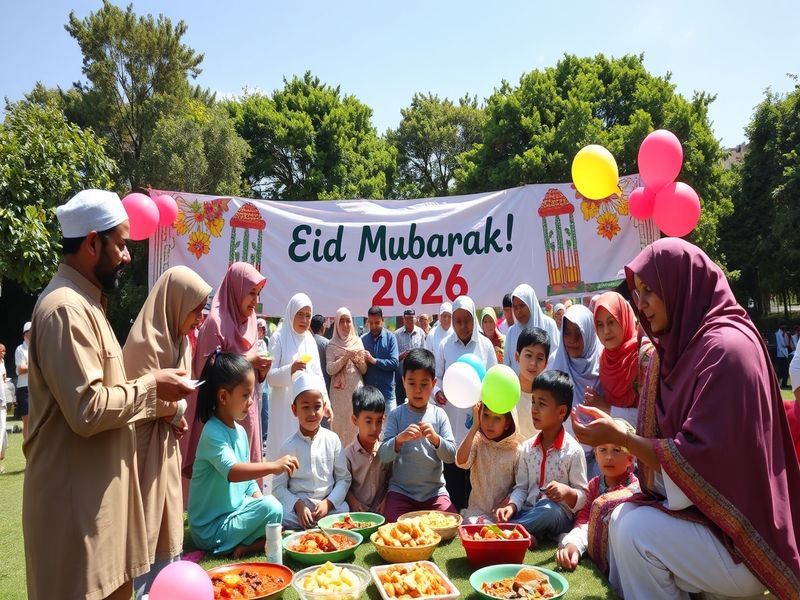
For many, Eid ul-Adha is also a time for communal prayers, feasting, and familial gatherings. The festival fosters a sense of unity among Muslims, transcending geographical and cultural boundaries. Whether celebrated in bustling urban centers or serene rural areas, the essence of Eid ul-Adha remains the same: gratitude, compassion, and togetherness.
Global Observances and Traditions
The ways in which Eid ul-Adha is celebrated can vary significantly from one region to another. Here are some common traditions observed around the globe:
- Community Prayers: Muslims gather in large congregations, often in open areas, to offer prayers. These gatherings foster a sense of community and solidarity.
- Ritual Sacrifice: The act of Qurbani (sacrifice) is performed, symbolizing the willingness to give up something valuable for the sake of God.
- Charitable Acts: A significant portion of the meat from the sacrificed animals is distributed to the less fortunate, emphasizing the importance of charity.
- Feasting: Families come together to share meals, often featuring traditional dishes that vary by region.
- Gifts and Greetings: Exchanging gifts and greetings such as “Eid Mubarak” is common, fostering goodwill and joy.
In countries like Saudi Arabia and Turkey, Eid ul-Adha is a public holiday, with festivities often extending over several days. In contrast, in nations with smaller Muslim populations, such as the United States or Australia, celebrations may be more intimate, focusing on family gatherings and community events.
Cultural Reflections and Modern Adaptations
As societies evolve, so too do the traditions associated with Eid ul-Adha. Many families now incorporate modern elements into their celebrations, such as online gatherings and virtual prayers, particularly in response to recent global events. This adaptability illustrates the resilience of cultural practices in the face of change.
Moreover, social media plays a significant role in how Eid ul-Adha is shared and celebrated today. Families often post photos and videos of their celebrations, showcasing the diversity of traditions and the universal themes of love and connection. This digital sharing not only strengthens bonds among families separated by distance but also highlights the beauty of cultural diversity within the global Muslim community.
Despite these modern adaptations, the fundamental values of Eid ul-Adha remain intact. The festival continues to be a powerful reminder of faith, sacrifice, and the importance of supporting one another in times of need.
Conclusion
Eid ul-Adha in 2026 promises to be a vibrant celebration filled with tradition, community, and reflection. As Muslims around the world come together to honor this significant occasion, they will continue to embody the values of sacrifice and generosity that lie at the heart of this festival. By embracing both tradition and modernity, the spirit of Eid ul-Adha remains alive and well, fostering connections among diverse communities and reinforcing the importance of compassion and charity.
For more insights into various cultural celebrations, explore our Culture section. Additionally, check out our News page for the latest updates on global events.