Exploring Nowruz: The Persian New Year and Its Global Significance
Understanding Nowruz: The Persian New Year
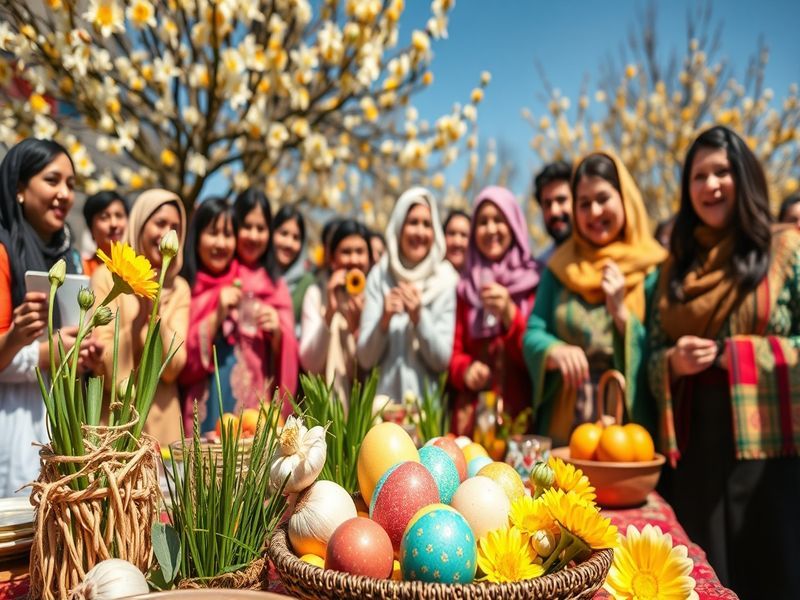
Nowruz, also spelled as “Norooz” or “Nawruz,” marks the arrival of spring and the beginning of the year in the Persian calendar. Celebrated for over 3,000 years, this festival has roots in Zoroastrianism and symbolizes renewal and rebirth. The festivities take place on or around the vernal equinox, typically falling on March 20 or 21. It is a time when families come together to celebrate with various customs, rituals, and traditions that vary across different cultures.
Global Celebrations and Traditions
Nowruz is not limited to Iran; it is celebrated in numerous countries across Central Asia, the Middle East, and beyond. Each region adds its unique flavor to the festivities, creating a rich tapestry of cultural expressions. Countries such as Afghanistan, Azerbaijan, and parts of the Caucasus, as well as some regions in Iraq and Turkey, partake in the celebration, showcasing their distinct customs.
The core elements of Nowruz celebrations include:
- Haft-Seen Table: A traditional table setting that includes seven symbolic items, each starting with the Persian letter ‘S’.
- Spring Cleaning: Homes are thoroughly cleaned to welcome the new year and symbolize a fresh start.
- Family Gatherings: Families come together to share meals and exchange gifts, emphasizing unity and love.
- Fire Jumping: Jumping over bonfires on the eve of the New Year symbolizes purification and the shedding of negativity.
In Iran, the celebrations can last for about two weeks, with various activities planned throughout this period. The significance of these traditions reflects the importance of family and community in Persian culture.
Cultural Significance and Symbolism
Nowruz is steeped in symbolism. The arrival of spring signifies renewal and the rejuvenation of nature. The Haft-Seen table, a centerpiece of the celebration, showcases items that represent health, wealth, and prosperity. Some of the items commonly found on this table include:
- Sabzeh: Sprouted wheat or lentils symbolizing rebirth.
- Samanu: A sweet pudding representing power and strength.
- Senjed: Dried fruit symbolizing love.
- Seer: Garlic representing health.
- Seeb: Apples symbolizing beauty and health.
- Somāq: Sumac representing the sunrise and the victory of light over darkness.
- Serkeh: Vinegar representing patience and wisdom.
These elements not only enhance the festive spirit but also serve as a reminder of the values that the community holds dear. Each item tells a story, connecting the past with the present and the future.
Modern Interpretations and Global Recognition
In recent years, Nowruz has gained international recognition, with UNESCO recognizing it as an Intangible Cultural Heritage of Humanity. This acknowledgment has helped promote understanding and appreciation of the diverse customs associated with the celebration. As globalization continues to influence cultural practices, Nowruz has evolved, incorporating modern elements while preserving its traditional roots.
In many cities around the world, public celebrations are organized, allowing people from various backgrounds to participate and learn about the rich history of Nowruz. This inclusivity reflects a growing trend of cultural exchange, where traditions are shared and celebrated across borders.
As societies become more interconnected, the spirit of Nowruz serves as a reminder of the importance of cultural heritage and the values that unite us. It invites everyone to partake in the joys of renewal, hope, and togetherness.
Conclusion
Nowruz is more than just a celebration of the New Year; it is a powerful symbol of renewal, community, and cultural identity. With its rich history and diverse expressions across different cultures, Nowruz continues to thrive in the modern world. As people gather to celebrate, they not only honor their heritage but also embrace the universal themes of hope and renewal that resonate with all of humanity.
For those interested in exploring more cultural traditions, visit our Culture section for additional insights.