Understanding Nowruz: The Persian New Year
Nowruz, also known as the Persian New Year, is a celebration that marks the first day of spring and the beginning of the year in the Iranian calendar. This ancient festival, which dates back over 3,000 years, is rich in cultural significance and is celebrated by millions around the world, particularly in Iran, Afghanistan, and various countries in Central Asia. The name “Nowruz” translates to “new day,” symbolizing renewal and rebirth.
The festivities typically begin on the vernal equinox, around March 20 or 21, when day and night are approximately equal in length. This timing aligns with the seasonal changes, reflecting the themes of growth and revitalization inherent in the celebration.
Traditions and Customs of Nowruz
Nowruz is steeped in a variety of customs and traditions, each with its own significance. Families prepare for the celebration by cleaning their homes, a practice known as “khaneh tekani,” which symbolizes the removal of the old and the welcoming of the new. This ritual is often accompanied by the purchase of new clothes and the preparation of festive meals.
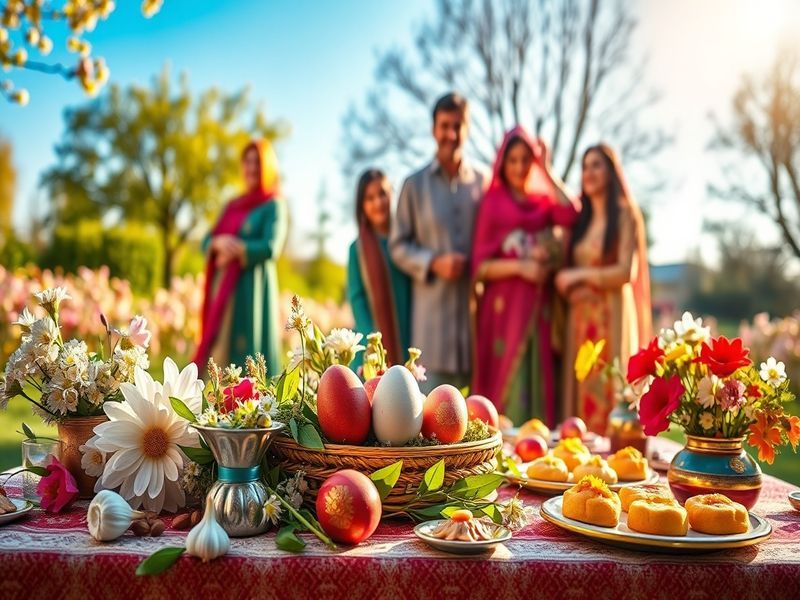
One of the most iconic elements of Nowruz is the Haft-Seen table, which is set with seven symbolic items starting with the Persian letter “S.” Each item represents different hopes and wishes for the new year. The traditional Haft-Seen items include:
- Sabzeh: Sprouted wheat or lentils, symbolizing rebirth and growth.
- Samanu: A sweet pudding made from wheat germ, representing power and strength.
- Senjed: Dried fruit of the oleaster tree, symbolizing love.
- Seer: Garlic, representing health and medicine.
- Seeb: Apples, symbolizing beauty and health.
- Somāq: Sumac berries, representing the sunrise and the triumph of good over evil.
- Serkeh: Vinegar, symbolizing patience and wisdom.
In addition to the Haft-Seen, other customs include visiting friends and family, exchanging gifts, and participating in outdoor festivities. Many people engage in traditional games, music, and dancing, which enhance the joyous atmosphere of the celebration.
Nowruz Around the World
While Nowruz is most closely associated with Persian culture, its celebration transcends national boundaries. Various countries and ethnic groups have adopted the festival, each adding unique elements that reflect their own traditions. In Azerbaijan, for instance, the holiday is marked with bonfires, symbolizing the cleansing of the past year. In Kurdish regions, people celebrate with elaborate feasts and music, showcasing their rich cultural heritage.
In recent years, the recognition of Nowruz has expanded beyond its traditional roots. The United Nations has even recognized it as an international holiday, emphasizing its significance as a celebration of peace and solidarity among different cultures. This acknowledgment has contributed to a growing interest in the festival outside of its traditional contexts.
Conclusion: The Lasting Impact of Nowruz
Nowruz is not merely a celebration of the new year; it embodies themes of renewal, hope, and the importance of community. As families come together to honor their traditions, they also reinforce their cultural identity and connection to their heritage. The festival serves as a reminder of the beauty of diversity and the shared human experience of welcoming new beginnings.
As people around the world continue to embrace the spirit of Nowruz, the festival stands as a testament to the resilience and richness of cultural traditions. Whether through a Haft-Seen table or an outdoor gathering, Nowruz fosters a sense of unity and joy that transcends borders and generations.
For more insights into cultural traditions, visit our Culture section or explore our Trending topics.