Understanding Equinox: A Celestial Event
The term “equinox” comes from the Latin words “aequus” meaning equal and “nox” meaning night. This astronomical phenomenon occurs twice a year, marking the moment when the sun crosses the celestial equator. During an equinox, day and night are approximately equal in length. The spring equinox typically occurs around March 20 or 21, while the autumn equinox falls around September 22 or 23.
Equinoxes signify significant transitions in the natural world. They herald the beginning of spring and autumn, influencing weather patterns and agricultural cycles. For many cultures, these events are steeped in tradition and are celebrated with various festivals and rituals.
The Science Behind Equinoxes
Equinoxes occur due to the tilt of the Earth’s axis and its orbit around the sun. The Earth is tilted at an angle of approximately 23.5 degrees. This tilt causes the sun to illuminate different parts of the Earth throughout the year, leading to the changing seasons.
During an equinox, the sun is positioned directly above the equator. As a result, the rays of the sun strike the Earth’s surface perpendicularly, leading to nearly equal day and night lengths. This phenomenon can be observed globally, making it a unique event that connects people across different cultures.
There are two main types of equinoxes:
- Vernal Equinox: This occurs in March and marks the start of spring in the Northern Hemisphere.
- Autumnal Equinox: This occurs in September and signals the beginning of autumn.
Cultural Significance of Equinoxes
Equinoxes have been celebrated in various cultures for centuries. They often symbolize balance and harmony within nature. Many ancient civilizations, such as the Egyptians and the Mayans, built monuments aligned with the equinoxes, showcasing their importance in agricultural and religious practices.
Some notable celebrations include:
- Nowruz: The Persian New Year celebrated on the vernal equinox, symbolizing rebirth and renewal.
- Chuseok: A Korean harvest festival that coincides with the autumn equinox, honoring ancestors and giving thanks for the harvest.
- Inti Raymi: An Incan festival celebrating the Sun God, held during the winter solstice but connected to the equinox in its themes of agriculture and reverence for nature.
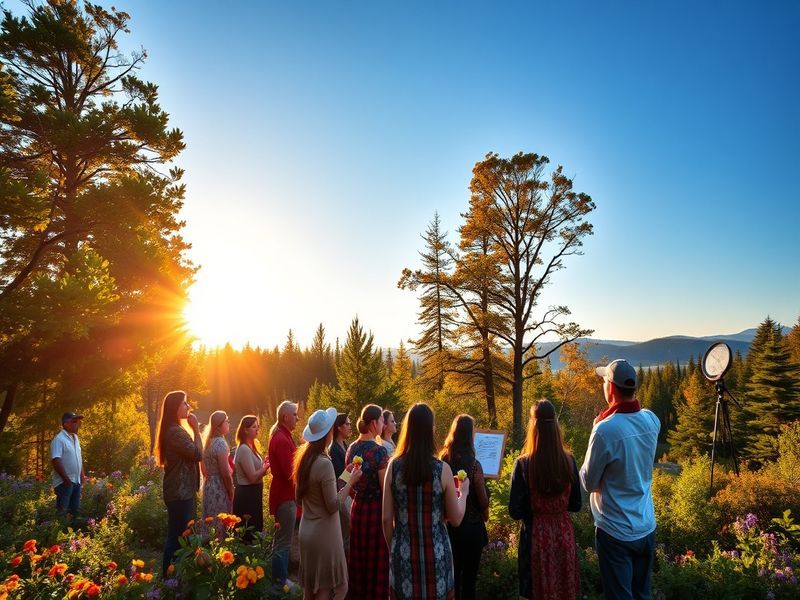
Modern-day celebrations often involve gatherings, rituals, and various forms of artistic expression, highlighting the enduring significance of equinoxes across cultures.
The Impact of Equinoxes on Nature and Agriculture
Equinoxes play a crucial role in agricultural practices. Farmers rely on the changing seasons to determine planting and harvesting schedules. The vernal equinox marks a time for sowing seeds, while the autumn equinox signals the harvest period.
Additionally, wildlife behavior is also influenced by these celestial events. Many animals breed and migrate according to seasonal changes, which are signaled by the equinoxes. For example, birds often begin their migrations in response to the lengthening days following the spring equinox.
Understanding the equinoxes can help us appreciate the intricate connections between celestial events and life on Earth. It reminds us of the cyclical nature of time and the environment, fostering a deeper respect for the planet.
Conclusion
The equinox is not merely an astronomical event; it is a celebration of balance, change, and renewal. It connects cultures, influences agricultural practices, and reminds us of the natural cycles that govern life on Earth. As we acknowledge the significance of equinoxes, we gain insight into the rhythms of nature and our place within it. For more on celestial events and their cultural impact, visit our Science and Culture pages.