The Majestic World of Tigers
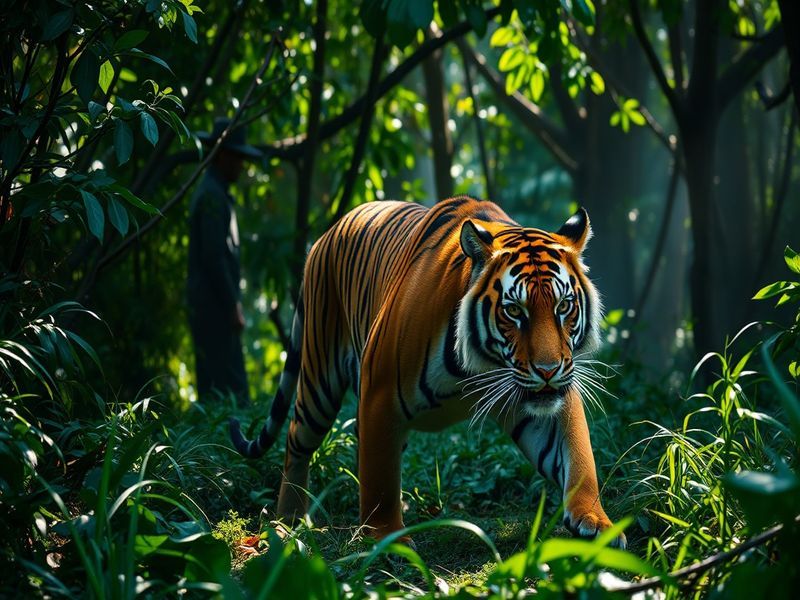
Tigers, known scientifically as Panthera tigris, are among the most magnificent and powerful big cats on the planet. These apex predators not only play a crucial role in maintaining the ecological balance of their habitats but also captivate the imagination of people around the globe. Their striking appearance, characterized by a distinctive orange coat with black stripes, sets them apart as one of nature’s most iconic creatures.
Habitat and Distribution
Tigers primarily inhabit forests, grasslands, and wetlands across various regions in Asia. Their range has significantly decreased due to human activities, but they can still be found in several countries including:
- India
- Bangladesh
- Nepal
- Bhutan
- Russia
- China
Each subspecies of tiger adapts to its environment, showcasing unique characteristics. For instance, the Siberian tiger, known for its thick fur, thrives in colder climates, while the Bengal tiger is more suited to the tropical forest of India.
Threats to Tiger Populations
Despite their strength and adaptability, tigers face numerous threats that have led to a dramatic decline in their populations. The primary challenges include:
- Habitat Loss: Deforestation and urban expansion have reduced the areas where tigers can roam and hunt.
- Poaching: Tigers are hunted for their skins and body parts, which are used in traditional medicine and as status symbols.
- Human-Wildlife Conflict: As human populations expand into tiger habitats, encounters between tigers and people often lead to fatal outcomes for both.
- Climate Change: Changes in climate can alter the ecosystems that tigers depend on, affecting their prey and habitats.
Conservation efforts are underway to address these issues, yet the path to recovery is fraught with challenges. Organizations worldwide are working to protect these majestic creatures through habitat preservation, anti-poaching initiatives, and community engagement.
The Role of Tigers in Ecosystems
Tigers are not just vital for their beauty; they play an essential role in their ecosystems. As apex predators, they help regulate prey populations, which in turn maintains the health of vegetation and overall biodiversity. By controlling herbivore populations, tigers prevent overgrazing, allowing flora to thrive and supporting a wider array of wildlife.
The presence of tigers can also indicate the overall health of an ecosystem. Their decline signals potential issues within their habitat, prompting conservationists to take action not only for tigers but for the entire ecosystem. Efforts to protect tigers often lead to broader conservation initiatives that benefit other species and the environment.
Conclusion: A Call for Awareness and Action
The future of tigers rests in our hands. Awareness of their plight is crucial for driving conservation efforts. As individuals, we can contribute by supporting wildlife conservation organizations, advocating for sustainable practices, and promoting education about the importance of biodiversity.
In addition, engaging with local communities that coexist with tigers is vital. By providing alternative livelihoods and fostering coexistence, we can reduce conflicts and promote a healthier relationship between humans and wildlife. The preservation of tigers is not merely about saving a species; it is about ensuring a balanced ecosystem that benefits all forms of life.
For more information on wildlife conservation efforts and how you can help, visit this page for resources and tips.