Understanding Faslane: A Strategic Naval Base
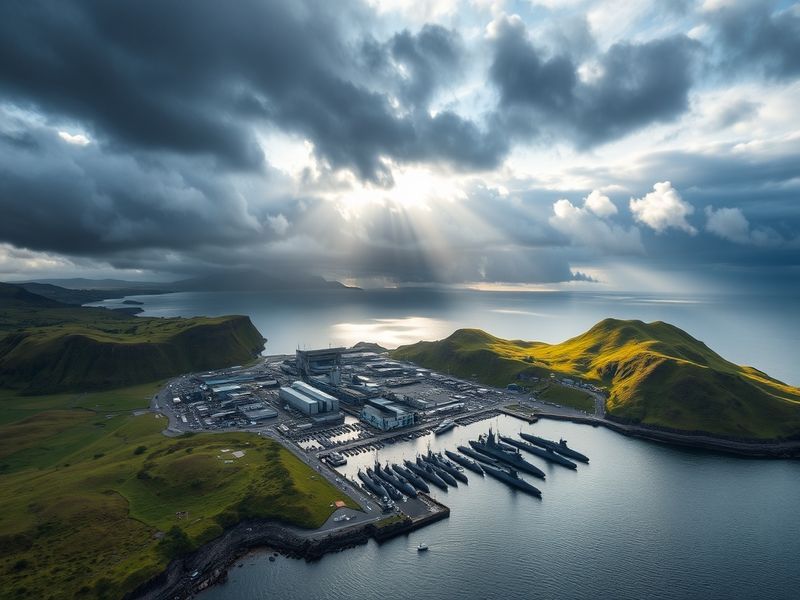
Faslane, located on the west coast of Scotland, serves as one of the United Kingdom’s most significant naval bases. It is home to the UK’s fleet of nuclear submarines and plays a crucial role in national defense. The base has evolved over the years, reflecting changes in military strategy, technology, and international relations.
The Historical Context of Faslane
Established during the Cold War, Faslane’s primary purpose was to house and support the Royal Navy’s submarine fleet. The base has been pivotal in maintaining the UK’s nuclear deterrent, particularly through the Trident missile system. Over the decades, it has witnessed various geopolitical shifts and military developments.
Faslane is not just a military installation; it is a symbol of the UK’s defense policy. The presence of nuclear submarines has sparked discussions about the ethics and implications of nuclear armament. Many argue for disarmament, while others believe it is essential for national security.
Faslane’s Role in Modern Defense Strategy
Today, Faslane operates as the base for the Vanguard-class submarines, which are equipped with Trident II missiles. These submarines provide the UK with a credible nuclear deterrent and play a vital role in NATO’s collective defense strategy. The base also supports various other naval operations, making it a hub of military activity.
In recent years, the strategic importance of Faslane has been highlighted by various global events, including rising tensions in Eastern Europe and the Middle East. These developments have prompted discussions about the base’s future and its role in a rapidly changing security environment.
Community Impact and Protests
The presence of Faslane has not been without controversy. Local communities have expressed mixed feelings about the base’s impact on their lives. While it brings economic benefits and job opportunities, concerns about safety and environmental risks persist.
Protests against nuclear weapons have become a common sight near Faslane. Activists argue that the base represents a threat to global peace and call for disarmament. These protests often attract international attention and highlight the ongoing debate over nuclear weapons.
Global Perspectives on Nuclear Deterrence
Globally, nuclear deterrence remains a contentious issue. Countries like the United States, Russia, and China maintain their nuclear arsenals, citing national security. In contrast, various international treaties aim to promote disarmament, reflecting a desire for a world free of nuclear weapons.
Faslane’s role in this global narrative is significant. As a key facility in the UK’s nuclear program, it embodies the complexities of defense strategy and international relations. The base is often referenced in discussions about the ethics of nuclear deterrence and the responsibilities of nuclear-armed states.
Key Aspects of Faslane
- Location: Situated on the Gareloch, Faslane is strategically positioned for naval operations.
- Infrastructure: The base includes extensive facilities for submarine maintenance, training, and operations.
- Employment: Faslane supports thousands of jobs, contributing significantly to the local economy.
- Environmental Concerns: The base’s operations raise questions about the impact on local ecosystems and communities.
Conclusion
Faslane stands as a crucial element in the UK’s defense strategy, embodying the complexities of nuclear deterrence in a global context. Its historical significance, modern role, and the ongoing debates surrounding it reflect broader issues of security, ethics, and community impact. As the world continues to evolve, so too will the discussions surrounding Faslane and its future in the realm of national and international defense.