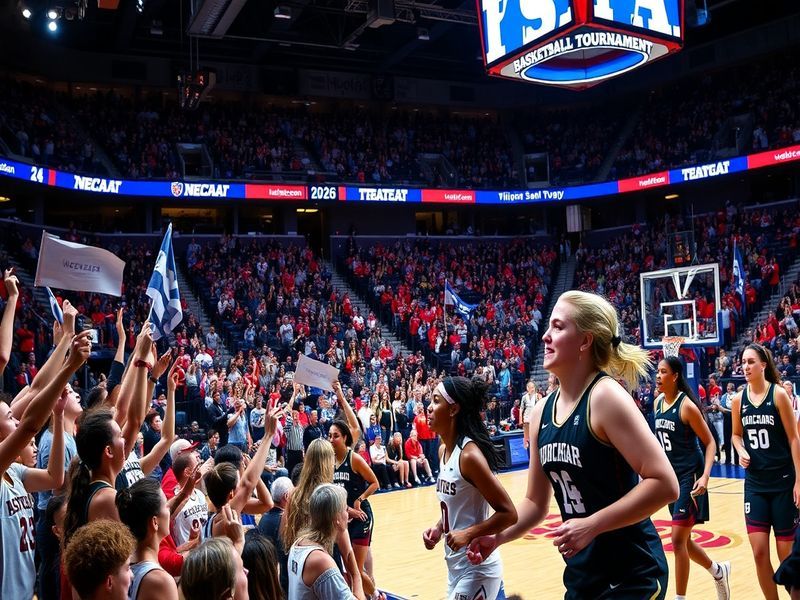
NCAA Women’s Basketball Tournament 2026: Rising Stars and Global Impact
The NCAA Women’s Basketball Tournament has long been a proving ground for elite athletes, a platform for coach development, and a cultural touchstone for fans of the game. As the 2026 edition approaches, the event promises to deliver even greater visibility for women’s basketball on the world stage. With record-breaking viewership in recent years and growing investment in the sport, the tournament stands at the intersection of athletic excellence and cultural progress.
Unlike the men’s tournament, which often overshadows its counterpart, the women’s event has carved out its own identity—one defined by speed, skill, and strategic depth. The 2026 tournament will feature 68 teams, an expanded field that reflects the sport’s rising popularity. For fans, this means more high-stakes games, more storylines, and more opportunities to witness the next wave of basketball superstars.
The Road to 2026: Key Storylines and Rising Talent
The 2026 NCAA Women’s Basketball Tournament will not only highlight established programs like UConn, South Carolina, and Stanford but also spotlight emerging teams from conferences that have traditionally flown under the radar. Programs such as Iowa State, Ole Miss, and Gonzaga have shown flashes of brilliance in recent years, and the expanded field could give them the platform they need to make a deep run.
One of the most compelling narratives will be the rise of international players. The NCAA has seen a steady increase in talent from Europe, Australia, and Asia, with players like France’s Iliana Rupert and Australia’s Abbey Ellis already making waves. The 2026 tournament could serve as a global showcase, further blurring the lines between domestic and international basketball.
- Conference realignment: The shifting landscape of college sports, including the arrival of Texas and Oklahoma in the SEC, could redefine competitive balance.
- Coaching carousel: With several high-profile coaches nearing retirement or exploring new opportunities, the 2026 tournament could be a proving ground for the next generation of leaders.
- NIL impact: The growing influence of name, image, and likeness deals has transformed recruitment and player development, adding another layer of complexity to team dynamics.
The tournament will also serve as a critical stage for players vying for WNBA draft stock. With the league expanding to 16 teams in 2026, the NCAA tournament will be a must-watch event for scouts, analysts, and fans eager to see who will fill the rosters of the future.
The Cultural Significance of Women’s Basketball in 2026
Women’s basketball is no longer an afterthought—it is a cultural force. The 2026 NCAA Women’s Basketball Tournament arrives at a time when the sport is enjoying unprecedented visibility. The 2023 NCAA title game between LSU and Iowa drew over 9 million viewers, a record for the women’s tournament. This momentum has translated into greater investment from broadcasters, sponsors, and even casual fans who now recognize the sport’s entertainment value.
Beyond the numbers, women’s basketball has become a symbol of progress. Players like Caitlin Clark, Paige Bueckers, and Aliyah Boston have transcended the sport, becoming household names and role models for young athletes. Their influence extends beyond the court, challenging stereotypes about women in sports and inspiring a new generation to pursue basketball at the highest levels.
The global perspective is equally important. Women’s basketball has seen significant growth in countries like Japan, where the national team won a historic silver medal at the 2021 Olympics. The NCAA tournament provides an opportunity for international players to showcase their skills on a global stage, further elevating the sport’s profile.
For many young athletes in Europe, Australia, and Africa, the NCAA remains the most viable path to professional basketball. The 2026 tournament will highlight this diversity, with teams from all corners of the globe competing for the championship. This cultural exchange enriches the sport, creating a more inclusive and dynamic environment.
What to Watch in 2026: Teams, Players, and X-Factors
The 2026 NCAA Women’s Basketball Tournament will feature a mix of veteran leadership and rising stars. Programs like South Carolina, led by a veteran coach and a core of experienced players, will be favorites to contend for the title. Meanwhile, teams like Stanford and Notre Dame, with their rich traditions, will look to add to their championship pedigrees.
For underdog stories, keep an eye on mid-major conferences. Schools like Gonzaga, Creighton, and Florida Gulf Coast have shown they can compete with the best, particularly in the early rounds. Their success often hinges on strong guard play and disciplined defense—traits that can carry them deep into the tournament.
- Top Contenders:
- South Carolina: A perennial powerhouse with a deep roster and championship experience.
- UConn: Always a threat, thanks to their elite recruiting and coaching.
- Iowa: If they can overcome early tournament struggles, they’ll be dangerous with their high-octane offense.
- Dark Horses:
- LSU: With a talented core returning, they could make another deep run.
- Texas: New to the SEC, they bring a physical style and home-court advantage.
- Oregon: Consistently competitive, they have the guard talent to surprise.
- Players to Watch:
- Freshman sensation: The 2026 class is loaded, with top recruits like Juju Watkins and Mikaylah Williams already drawing comparisons to legends.
- Veteran leaders: Players like Georgia Amoore (Virginia Tech) and Aneesah Morrow (Notre Dame) will be key for their teams.
- International stars: Keep an eye on players like Belgium’s Billie Massey and Sweden’s Elin Lundgren.
The tournament’s expanded format also means more opportunities for upsets. The first four games, often overlooked in past years, will feature teams battling for a chance to advance. These games can set the tone for the rest of the tournament, with underdogs looking to make a statement early.
The Future of Women’s Basketball: Beyond the 2026 Tournament
The NCAA Women’s Basketball Tournament is more than just a competition—it’s a reflection of the sport’s growth and potential. The 2026 edition will build on the progress made in recent years, with greater visibility, investment, and cultural relevance. For fans, this means an even more exciting product to enjoy, with more games, more storylines, and more opportunities to celebrate the athletes who make the sport special.
The tournament also serves as a reminder of the work that remains. While the sport has made significant strides, disparities in funding, media coverage, and fan engagement persist. The success of the 2026 tournament could help close these gaps, ensuring that women’s basketball continues to thrive for generations to come.
For young athletes, the NCAA Women’s Basketball Tournament represents a dream. It’s a chance to compete at the highest level, to be seen by scouts and fans, and to leave a lasting legacy. As the 2026 tournament approaches, the excitement is palpable. The games will be fierce, the stories will be compelling, and the future of the sport will be on full display.
Whether you’re a die-hard fan or a casual observer, the NCAA Women’s Basketball Tournament is an event worth watching. It’s a celebration of athleticism, a showcase of talent, and a testament to the power of sport to inspire and unite. The 2026 edition promises to deliver all of that and more.