South Africa vs New Zealand: Rugby’s Greatest Rivalry Explained
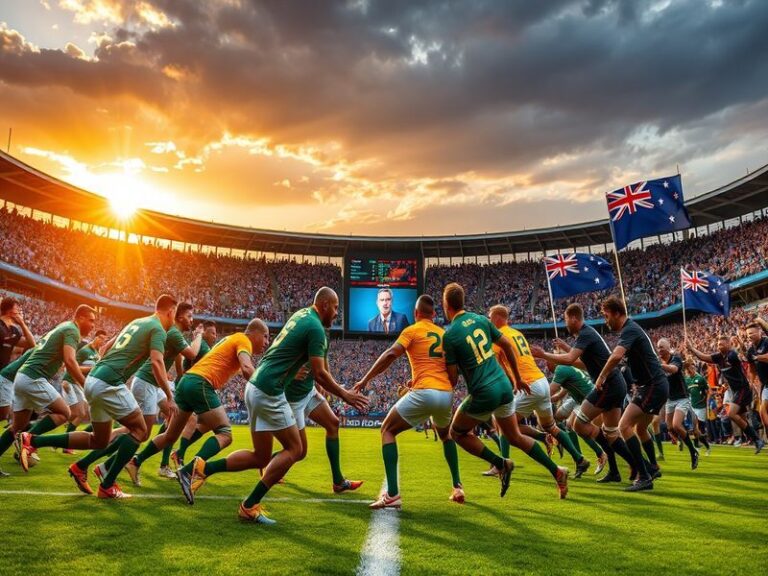
Few rivalries in international sports carry the weight and history of the rivalry between South Africa and New Zealand. These two rugby heavyweights have battled on the field for over a century, shaping the legacy of the sport while forging identities tied to national pride, cultural expression, and tactical evolution. Their encounters are more than matches; they are spectacles that define eras, test legacies, and captivate millions across the globe.
The All Blacks and the Springboks don’t just play rugby—they embody philosophies. New Zealand’s haka, a traditional Māori challenge, sets the tone before kickoff, blending intimidation with cultural reverence. South Africa’s green jerseys carry the weight of a nation’s journey through apartheid, transformation, and unity. Each game is a collision of history, identity, and athletic brilliance.
The Historical Roots of the Rivalry
The first official match between South Africa and New Zealand took place in 1921 in New Zealand, marking the beginning of what would become one of rugby’s most storied rivalries. Known as the “test” series, these early encounters were grounded in physicality and tactical innovation, with both teams quickly establishing themselves as forces to be reckoned with.
By the mid-20th century, the rivalry had grown into a global spectacle. The 1956 series in South Africa saw the All Blacks introduce innovative tactics, including the famous “loop” play, which caught the Springboks off guard. This match was more than a sporting event—it was a cultural exchange that highlighted the growing influence of rugby beyond its traditional borders.
The rivalry took on deeper significance during the apartheid era. South Africa was excluded from international rugby from 1981 to 1992 due to global sanctions. When the Springboks returned to the international stage after Nelson Mandela’s release, their 1995 World Cup victory on home soil became a symbol of national reconciliation and hope. That victory, immortalized in the film Invictus, redefined the narrative of the rivalry, transforming it from one of division to one of shared destiny.
Key Moments That Defined the Rivalry
The timeline of this rivalry is marked by unforgettable moments—each serving as a chapter in rugby’s rich history. One of the most dramatic came in 1996, when South Africa won a thrilling series in New Zealand, including a 29-18 victory in Johannesburg that ended a 12-match winless streak against the All Blacks. That series was a turning point, signaling South Africa’s rise as a global rugby power.
In the 2000s, the rivalry intensified with the emergence of legends like Jonah Lomu for New Zealand and Bryan Habana for South Africa. Their duels became must-watch spectacles, blending speed, power, and creativity. The 2009 Tri-Nations match in Hamilton saw New Zealand win 32-29 in a game widely regarded as one of the greatest in rugby history. The match featured eight tries and a late comeback by the All Blacks, showcasing the unpredictability and drama that define this rivalry.
More recently, the 2019 Rugby World Cup semifinal in Yokohama, Japan, delivered another unforgettable chapter. South Africa defeated New Zealand 19-16 in a tense, tactical battle that went into extra time. The win was pivotal, propelling South Africa to the final and eventually the world title. It was a victory rooted in defense, discipline, and tactical brilliance—qualities that have come to define the Springboks in modern rugby.
Notable Matches in the South Africa vs New Zealand Rivalry
- 1956 – New Zealand 37, South Africa 0: The All Blacks introduced tactical innovations that left the Springboks stunned.
- 1995 – Rugby World Cup Final, South Africa 15, New Zealand 12: Mandela’s support galvanized the Springboks to victory, symbolizing a new South Africa.
- 1996 – South Africa wins series in New Zealand: First series win in New Zealand in over a decade, signaling a shift in power.
- 2009 – New Zealand 32, South Africa 29: A high-scoring thriller in Hamilton featuring eight tries and a late All Blacks comeback.
- 2019 – Rugby World Cup Semifinal, South Africa 19, New Zealand 16: A tense, tactical battle that sent South Africa to the final.
Cultural and Social Impact of the Rivalry
Beyond the scoreboard, the South Africa vs New Zealand rivalry reflects broader cultural and social narratives. For New Zealand, rugby is a cornerstone of national identity, intertwined with Māori culture and values of teamwork and perseverance. The haka, performed before matches, is not just a pre-game ritual—it is a declaration of intent, a celebration of heritage, and a challenge to opponents.
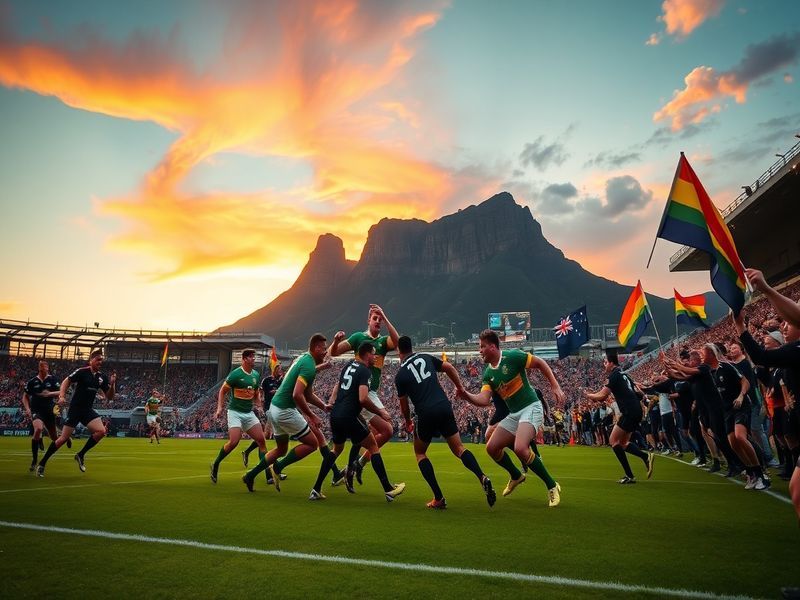
For South Africa, rugby has played a transformative role in the nation’s history. From the divisive era of apartheid to the unifying power of the 1995 World Cup, the sport has mirrored the country’s journey. The Springboks’ victories are often seen as national triumphs, moments when a diverse nation comes together in celebration.
The rivalry also highlights differences in rugby philosophy. New Zealand has long been associated with expansive, attacking rugby—playing with flair and creativity. South Africa, meanwhile, has built its reputation on physicality, tactical discipline, and resilience. These contrasting styles make every match a fascinating tactical chess game.
The Modern Era: Where the Rivalry Stands Today
As of 2024, the rivalry remains as compelling as ever. Both teams continue to produce world-class talent, from South Africa’s Siya Kolisi and Damian de Allende to New Zealand’s Ardie Savea and Richie Mo’unga. The introduction of the annual Rugby Championship has kept the rivalry fresh, with each match carrying the weight of history and the promise of future glory.
Recent years have seen a shift in momentum. While New Zealand dominated much of the early 21st century, South Africa has emerged as a dominant force, winning back-to-back Rugby World Cups in 2019 and 2023. Their 2023 victory in the final over New Zealand in Paris was a statement—a reminder that South Africa is now a rugby superpower in its own right.
Yet, the All Blacks are far from finished. With a new generation of talent coming through, including rising stars like Emoni Narawa and Anton Lienert-Brown, New Zealand remains a team capable of turning the tide at any moment. The rivalry is no longer about one team asserting dominance—it is about two equals pushing each other to new heights.
This balance makes the rivalry more exciting than ever. Fans are treated not just to a contest of skill, but to a clash of philosophies and identities. Whether it’s the haka’s fierce challenge or the Springboks’ green jersey symbolizing unity, each element adds depth to a relationship that transcends sport.
Why This Rivalry Matters Beyond the Field
The South Africa vs New Zealand rivalry is more than a series of matches—it is a narrative of identity, history, and cultural expression. It challenges players, captivates fans, and shapes the future of rugby. In an era where sports are often scrutinized for their social impact, this rivalry stands out for its positive contributions to national unity and global understanding.
For fans of the game, these matches are must-watch events. They offer drama, emotion, and moments of pure brilliance. For players, they represent the ultimate test of skill, character, and teamwork. And for the world, they offer a glimpse into the power of sport to inspire, unite, and transform.
As the rivalry continues to evolve, one thing is certain: when South Africa and New Zealand meet, the world watches. And whether it’s the haka echoing through a stadium or the green jerseys rising in triumph, the legacy of this clash will continue to shape rugby—and the stories we tell about it—for generations to come.
For more insights into rugby history and culture, visit our Sports and Analysis sections.