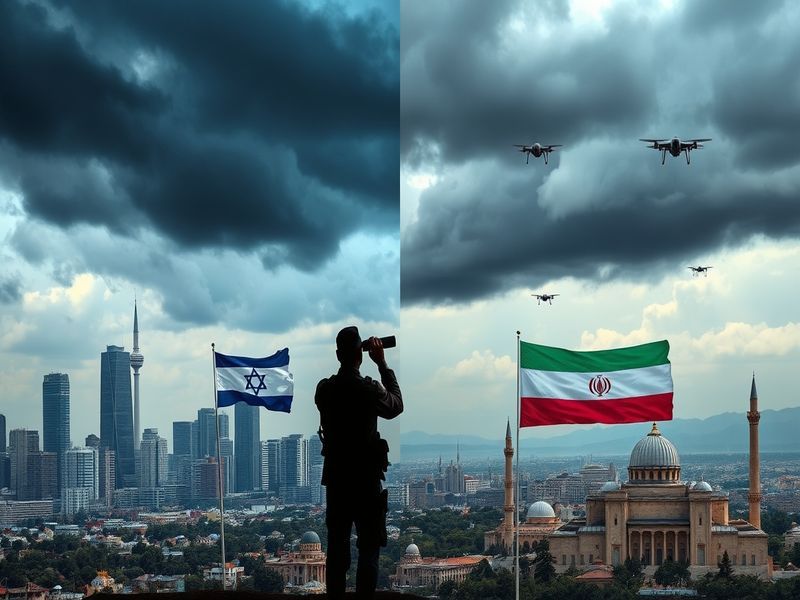
Understanding the Israel-Iran War: Tensions and Implications
The Tensions Between Israel and Iran
The geopolitical relationship between Israel and Iran has been fraught with tension for decades. This animosity is rooted in historical, ideological, and territorial disputes. As both nations continue to vie for influence in the Middle East, the potential for conflict looms large. The situation is further complicated by the involvement of various global powers, each with their own interests in the region.
Historical Context
Understanding the current dynamics requires a glance back at history. After the 1979 Islamic Revolution in Iran, the new regime declared Israel an enemy. This marked a significant shift in Middle Eastern politics. The Iranian leadership has consistently supported groups that oppose Israel, such as Hezbollah and Hamas. These affiliations have exacerbated tensions and fueled ongoing hostilities.
Moreover, Israel’s perception of Iran as a direct threat intensified following Iran’s nuclear ambitions. The fear that Iran could develop nuclear weapons has led Israel to adopt a more aggressive military posture. This has included preemptive strikes against Iranian targets in Syria and cyber warfare aimed at crippling Iran’s nuclear capabilities.
Current Developments
In recent years, the situation has escalated. Iran’s continued support for militant groups has prompted Israel to act decisively. The conflict has now reached a point where military engagement seems increasingly possible. Key events include:
- Increased Iranian military presence in Syria.
- Israeli airstrikes targeting Iranian facilities.
- Cyber attacks between both nations.
- International negotiations around Iran’s nuclear program.
As these developments unfold, the risk of miscalculation or unintended escalation rises. Each side remains vigilant, prepared to respond to perceived threats. This has created a precarious balance in the region, with both nations on high alert.
Global Implications
The ramifications of a potential conflict between Israel and Iran extend far beyond their borders. The Middle East is a complex tapestry of alliances and enmities, and any military engagement could have a domino effect. Key global players, including the United States, Russia, and European nations, have vested interests in the outcome.
For instance, the United States has historically been an ally of Israel, providing military and economic support. In contrast, Iran has found allies in countries like Russia and China, who may offer support in the event of conflict. This creates a multifaceted geopolitical landscape, where the stakes are incredibly high.
Moreover, the economic implications should not be overlooked. A conflict could disrupt oil supplies, impacting global markets. The Strait of Hormuz, a vital shipping lane for oil, could become a flashpoint, leading to wider economic repercussions.
Cultural Perspectives
The cultural narratives surrounding the Israel-Iran conflict are also significant. In Israel, the narrative of survival against existential threats permeates society. This has led to a strong national defense posture and a sense of urgency regarding national security.
On the other hand, Iran’s leadership frames the conflict as a struggle against imperialism and Western intervention. This framing resonates deeply within Iranian society, fostering a sense of national pride and unity against perceived external threats.
These cultural narratives influence public opinion and policy on both sides, making resolution challenging. Diplomatic efforts often falter in the face of deeply ingrained beliefs and historical grievances.
As the situation continues to evolve, it remains crucial for observers to monitor developments closely. The potential for conflict between Israel and Iran is a pressing issue that deserves attention and analysis. Understanding the multifaceted dynamics at play is essential for grasping the broader implications for the Middle East and the world.
For those interested in exploring more about global conflicts and their implications, check out our News section for the latest updates and analyses.