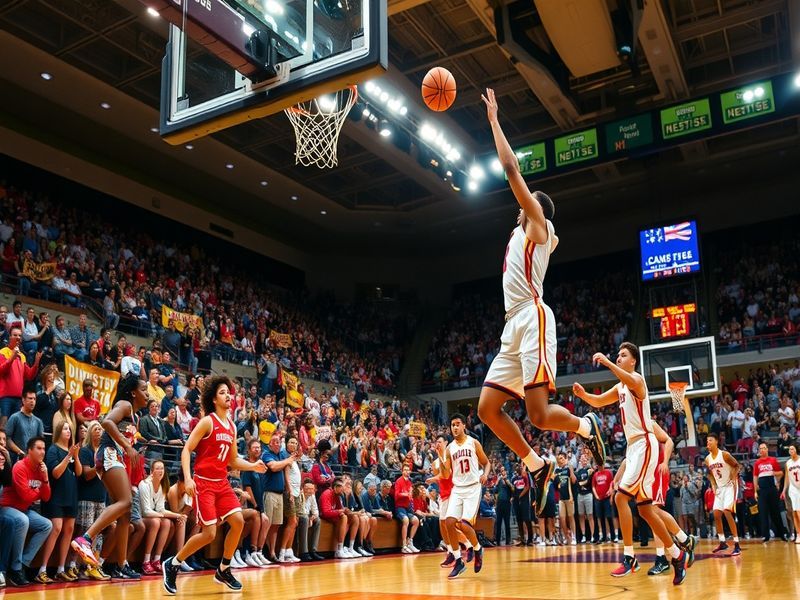
Exploring the unique ecosystem of university basketball and its lasting impact on players and fans alike.
The Evolution of Uni Basketball
University basketball has long served as a proving ground for future professional athletes. Unlike high school or club circuits, the collegiate level offers structured competition, elite coaching, and exposure to NBA scouts. Programs like Duke, Kentucky, and Kansas have built legendary reputations by consistently producing top-tier talent while maintaining rich traditions.
The NCAA’s role in regulating college sports has shaped the landscape significantly. While debates about amateurism and compensation continue, the system remains a cornerstone of American sports culture. The annual March Madness tournament alone generates billions in revenue, proving the commercial viability of uni basketball.
Yet, the sport’s evolution extends beyond the court. Social media has transformed how players build their personal brands, while NIL (Name, Image, Likeness) policies now allow athletes to monetize their fame. These changes reflect broader shifts in sports media and athlete rights.
Key Factors Behind Successful Programs
What separates the perennial contenders from the also-rans in collegiate basketball? Several factors consistently emerge:
- Recruiting pipelines: Programs with strong regional ties or elite facilities attract top prospects year after year.
- Coaching stability: Long-tenured coaches develop systems that maximize player potential.
- Facility investments: State-of-the-art arenas and training centers enhance recruitment and performance.
- Academic support: Programs that balance athletics with education retain players longer.
Consider Gonzaga’s rise from mid-major to national powerhouse. The Bulldogs leveraged smart recruiting, a player-friendly system under Mark Few, and strategic scheduling to compete with traditional blue-blood programs. Their Final Four appearances in recent years underscore how innovation can disrupt established hierarchies.
The Player Perspective: Development and Opportunities
For athletes, uni basketball offers a unique developmental path. The 1-and-done rule in college basketball forced many top prospects to spend at least one year in the NCAA before declaring for the NBA Draft. While critics argue this system prioritizes entertainment over education, others see it as a necessary stepping stone.
Beyond the NBA pipeline, college basketball provides opportunities for international players, walk-ons, and players from smaller schools. The NCAA’s global reach has expanded, with stars like Victor Wembanyama (once a French prospect at G League Ignite) now dominating headlines.
Yet, the pressure on student-athletes remains immense. Balancing academics, athletics, and personal growth requires resilience. Programs that prioritize holistic development—such as Stanford’s basketball team, which has a strong academic reputation—often see long-term success beyond the scoreboard.
The Cultural Impact of Uni Basketball
College basketball is more than just a sport; it’s a cultural institution. The traditions, rivalries, and fan engagement create a unique atmosphere unmatched in professional sports. From Duke’s Cameron Crazies to Kentucky’s Big Blue Nation, these communities extend far beyond campus borders.
Broadcasting has played a crucial role in this evolution. ESPN’s coverage of March Madness has turned the tournament into a month-long spectacle, while platforms like YouTube and TikTok now offer behind-the-scenes access to players and teams. This digital shift has democratized fandom, allowing fans to engage with the sport in new ways.
“The beauty of college basketball lies in its unpredictability. A mid-major team can knock out a No. 1 seed on any given night, and that’s what keeps fans coming back.”
— ESPN Analyst Jay Bilas
The sport’s influence also extends to fashion and music. Players like Zion Williamson and Paige Bueckers have become style icons, while the NCAA’s partnership with EA Sports has reignited debates about video game representation in college sports.
Looking Ahead: The Future of Uni Basketball
As college basketball continues to evolve, several trends will shape its future. The transfer portal has reshaped roster dynamics, allowing players to move between programs more freely. Meanwhile, the expansion of the NCAA Tournament to 68 teams (and potentially more) has diluted competition but increased opportunities for smaller schools.
The rise of the G League and Overtime Elite (OTE) as alternatives to college basketball presents new challenges. These leagues offer immediate professional opportunities but lack the academic and cultural legacy of university programs. The NCAA’s response to these shifts will determine whether college basketball remains a dominant force in American sports.
For fans, the core appeal of uni basketball endures: the passion, the underdog stories, and the connection to tradition. As long as programs continue to innovate while honoring their roots, the sport will thrive.
Whether you’re a die-hard fan or a casual observer, the world of university basketball offers something for everyone. From buzzer-beaters to bracket busters, the drama and excitement are here to stay.