Understanding the First Day of Spring
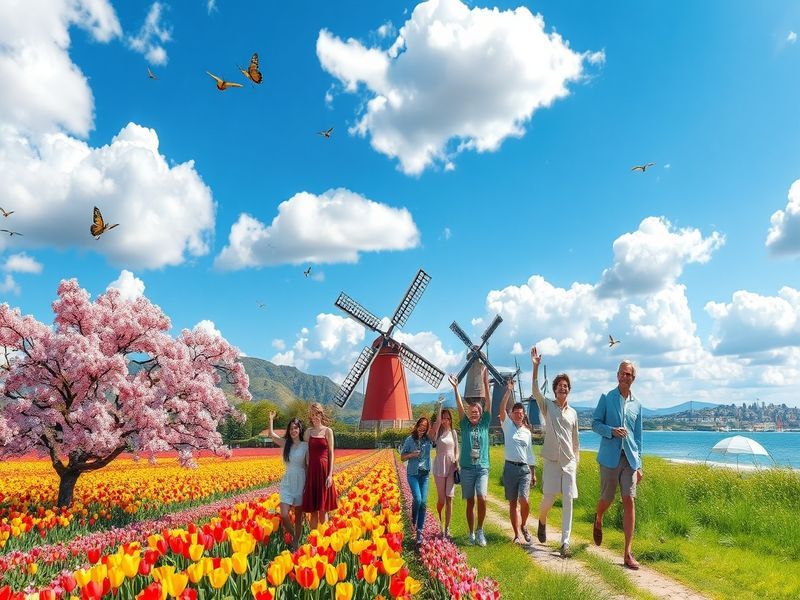
The arrival of spring marks a significant transition in the seasons, symbolizing rebirth and renewal across various cultures. While the date may differ based on geographical location and cultural significance, the essence of spring remains universal. This article explores when the first day of spring occurs globally, its cultural contexts, and the various ways this season is celebrated.
Spring Equinox: A Global Perspective
In many parts of the world, the first day of spring is celebrated on the spring equinox, which typically falls around March 20 or 21. During this time, day and night are approximately equal in length, representing a balance that many cultures honor. Here are some notable celebrations associated with the spring equinox:
- Nowruz: Celebrated in Iran and various Central Asian countries, Nowruz is a festival that marks the Persian New Year and the arrival of spring.
- Holi: Known as the festival of colors in India, Holi celebrates the victory of good over evil and the arrival of spring.
- Ostara: A pagan festival celebrated by various Wiccan and neo-pagan communities, Ostara honors fertility and the earth awakening from winter.
However, not all cultures align the start of spring with the equinox. For instance, some regions in the Southern Hemisphere observe spring beginning in September. Countries such as Australia and New Zealand welcome spring with the arrival of warmer weather and blooming flora during this time.
Different Calendars, Different Dates
Various calendars influence the determination of spring’s arrival. The Gregorian calendar, commonly used in Western countries, designates March 20 or 21 as the onset of spring. However, other cultures follow different systems:
- Lunar Calendar: In many East Asian cultures, the lunar calendar plays a crucial role. The first day of spring may vary based on lunar cycles, leading to different celebrations.
- Chinese New Year: Often occurring between January 21 and February 20, this festival marks the start of spring according to the traditional Chinese calendar, ushering in new life and prosperity.
These differing methods of marking the season reflect the diverse ways humanity interacts with nature and the environment, leading to unique customs and traditions worldwide.
Celebrating Spring Across Cultures
The arrival of spring is a time for celebration in many cultures. Various festivals and traditions highlight the themes of renewal, growth, and community. Here are a few noteworthy celebrations:
- Cherry Blossom Festivals in Japan: Hanami, or cherry blossom viewing, is a cherished tradition where people gather to appreciate the beauty of blooming cherry trees, symbolizing the transient nature of life.
- Spring Festivals in Europe: Many European countries celebrate spring with festivals that include folk dancing, music, and seasonal foods, reflecting local customs and agricultural practices.
- Vernal Equinox Celebrations: Events like the Spring Equinox Festival at Chichen Itza in Mexico draw crowds to witness the shadow play of the sun on the pyramid, representing the ancient connection to nature.
These celebrations foster a sense of community and connection to the earth, reminding us of the cyclical patterns of life and nature.
Conclusion
Understanding when the first day of spring occurs reveals much about cultural practices and beliefs around the world. Whether it’s through the celebration of the equinox or unique local traditions, the arrival of spring signifies a time of renewal and hope. As the days grow longer and temperatures rise, communities gather to celebrate the beauty of life emerging from winter’s grasp. For those interested in exploring more about seasonal sports and activities, check out our Sports section for seasonal events and trends.