Middlesbrough: A Post-Industrial City Reinventing Itself
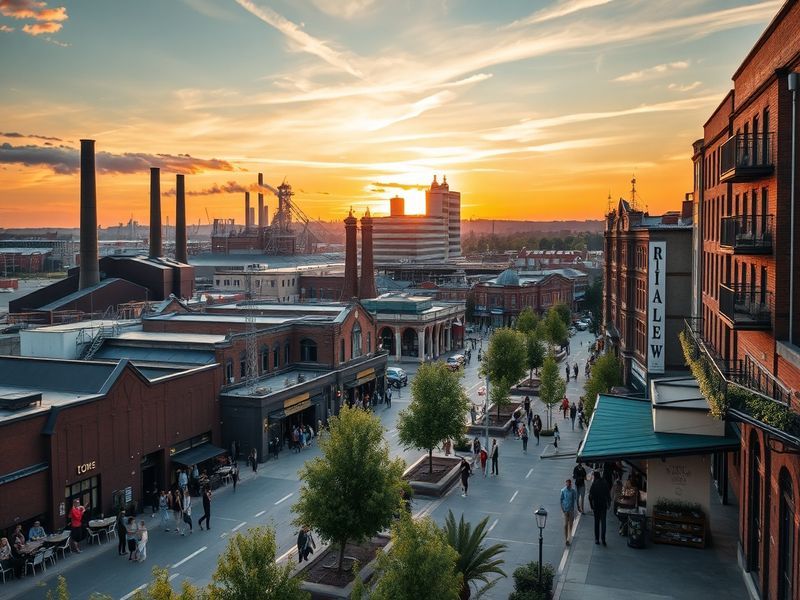
Middlesbrough stands on the banks of the River Tees in northeastern England, a city shaped by 19th-century industrial ambition and now navigating a quieter but no less significant transformation. Once the beating heart of Britain’s iron and steel industry, Middlesbrough today balances its proud industrial legacy with efforts to cultivate culture, education, and sustainable growth. Its story reflects broader trends in post-industrial regions across Europe and North America, where communities are redefining identity in a changing economic landscape.
The city’s origins trace back to 1829, when industrialist Joseph Pease established a new town to support ironstone mining in the Cleveland Hills. The discovery of iron ore and the construction of the Stockton and Darlington Railway accelerated Middlesbrough’s rise as a global industrial hub. By the late 19th century, it was known as “Ironopolis,” producing more than a third of the world’s iron. This industrial boom attracted workers from across the UK and Ireland, shaping a diverse, working-class community that remains central to the city’s character today.
Yet, like many industrial cities, Middlesbrough faced decline in the 20th century. The collapse of the steel industry in the 1980s and 1990s left deep scars. Unemployment soared, and the city’s population shrank. The loss of thousands of jobs forced a painful reckoning with the past. But Middlesbrough refused to fade. Instead, it began to rebuild—focusing on education, culture, and innovation as new pillars of its economy.
From Steel to Student City: Education as a Catalyst
One of the most visible signs of Middlesbrough’s reinvention is its growing reputation as a center for education and research. Teesside University, established in 1930 as Constantine Technical College, has expanded into a modern university with strengths in digital innovation, engineering, and creative arts. Its investment in facilities like the £22 million Centre for Digital Innovation and the National Horizons Centre—dedicated to bioscience and healthcare—signals a shift toward high-value sectors.
The university’s presence has drawn younger residents and international students, breathing new life into the city center. Student housing, cafes, and cultural venues have sprung up around the campus, creating a youthful, dynamic atmosphere. This demographic shift is reshaping local businesses and housing markets, offering a model for other post-industrial cities seeking to diversify their economies.
Teesside University also plays a key role in workforce development. Through partnerships with local employers, it offers degree apprenticeships in advanced manufacturing and digital skills—fields critical to the North East’s future. This approach aligns with national efforts in the UK to close skills gaps and reduce reliance on traditional industries.
Culture and Creativity: Reclaiming Identity Through Art
Middlesbrough’s cultural scene has become a quiet success story. The Middlesbrough Institute of Modern Art (MIMA), opened in 2007, has gained international recognition for its bold exhibitions and community-focused programming. Unlike large metropolitan museums, MIMA operates on a human scale, engaging local residents in dialogue about contemporary issues. Its 2022 exhibition “States of America” explored transatlantic cultural exchange, drawing visitors from across the UK and beyond.
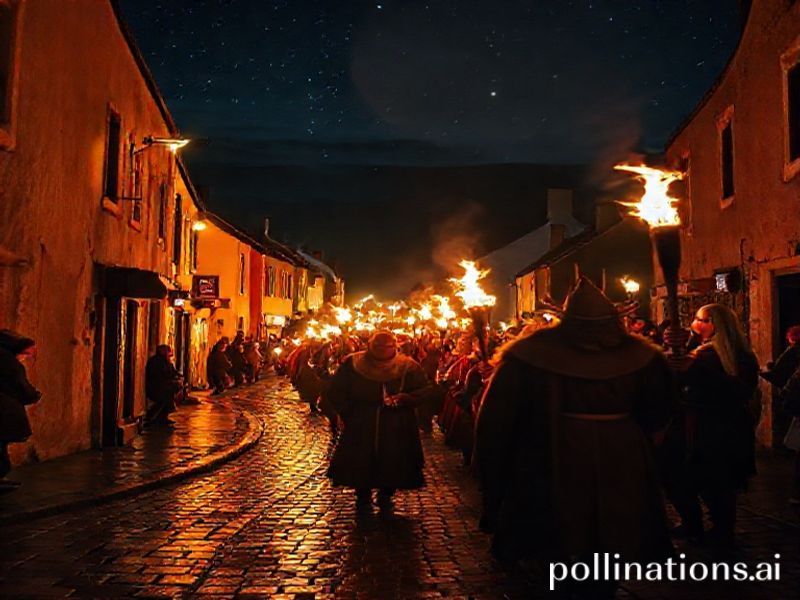
The city’s annual festivals further highlight this cultural renaissance. The Middlesbrough International Film Festival, now in its 14th year, showcases independent cinema and attracts filmmakers from around the world. Meanwhile, the Tees Valley Pride festival celebrates LGBTQ+ communities with pride marches, live music, and art installations—a sign of the city’s growing inclusivity.
Public art has also played a role in rebranding the city. Sculptures like “The Kelpies” at nearby Hartlepool and the “Endeavour” sculpture in Stewart Park pay homage to industrial heritage while pointing toward a creative future. These installations are not just tourist attractions; they are symbols of civic pride and regeneration.
Football, Community, and the Power of Local Identity
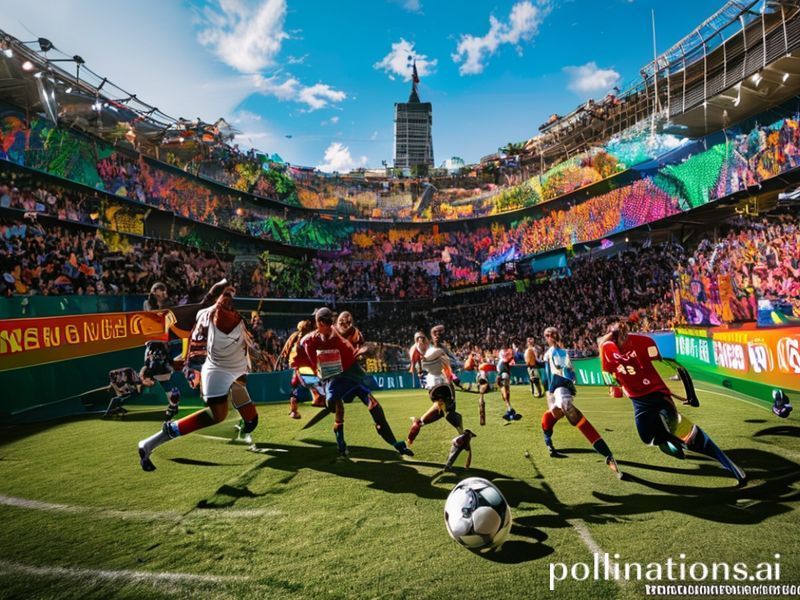
No discussion of Middlesbrough is complete without mentioning football. Middlesbrough Football Club (Boro), founded in 1876, is a cultural institution. Though it has spent most of its history in the lower divisions, its 1990s promotion to the Premier League and subsequent FA Cup final appearance in 2006 brought national attention. The club’s Riverside Stadium, opened in 1995, remains a landmark and a gathering place for fans.
But beyond the pitch, the club has become a force for social good. Through initiatives like the Boro Community Hub, it supports youth programs, mental health awareness, and employment training. These efforts reflect a growing trend among professional sports teams to use their platforms for social impact—a model increasingly adopted in cities like Glasgow and Rotterdam.
For many residents, supporting Boro is a matter of identity. It’s a connection to place, history, and community. In a globalized world, such local affiliations are increasingly valuable. They remind people that belonging is not just about economic opportunity, but about shared stories and collective pride.
Sustainability and the Future: Building a Greener Tees Valley
Middlesbrough is also at the forefront of environmental regeneration. The Tees Valley Combined Authority, led by Mayor Ben Houchen, has prioritized green investment, including the development of offshore wind farms on the North Sea coast. These projects aim to create thousands of jobs in renewable energy and position the region as a leader in the UK’s green transition.
The city’s commitment to sustainability extends to urban planning. The Middlehaven regeneration project, once a derelict industrial site, is being transformed into a mixed-use neighborhood with green spaces, offices, and housing. The project emphasizes low-carbon design and connectivity, aiming to reduce car dependency and improve quality of life.
These efforts align with global movements toward decarbonization and circular economies. Cities like Duisburg in Germany and Pittsburgh in the U.S. are pursuing similar transitions, repurposing old industrial sites into sustainable urban districts. Middlesbrough’s experience offers lessons in balancing heritage preservation with environmental responsibility.
A City on the Move
Middlesbrough’s journey from industrial powerhouse to reinvented city is not unique—but it is instructive. It shows how a community can confront decline without surrendering identity. It demonstrates the role of education, culture, and sustainability in shaping a new economic narrative. And it reminds us that reinvention is not about erasing the past, but about building on it.
As the world continues to urbanize and deindustrialize, cities like Middlesbrough offer a blueprint for resilience. They prove that identity is not static. It evolves. It adapts. And in doing so, it finds new purpose.
Middlesbrough may not dominate global headlines like Manchester or London, but its quiet transformation tells a powerful story—one of endurance, creativity, and hope. In an era where many places are struggling to define their future, Middlesbrough is writing an answer worth watching.