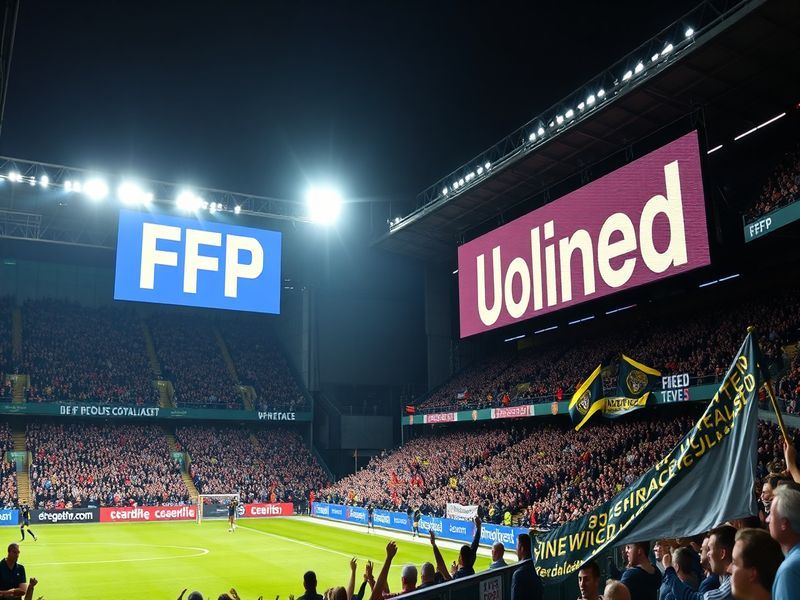
Understanding Leeds United’s Recent Fine
Leeds United Football Club recently faced a fine from English football authorities for breaches of financial regulations. The club confirmed in an official statement that it had received a formal sanction for failing to comply with the Premier League’s profitability and sustainability rules. These regulations, designed to maintain competitive balance, limit the losses clubs can incur over a three-year period.
The fine does not include a points deduction—a relief for supporters—but it does underscore the financial pressures facing clubs outside the traditional top six. Leeds United’s situation reflects broader trends in European football, where smaller clubs struggle to compete financially with wealthier rivals. The club’s financial history has been turbulent, marked by both promotion to the Premier League and subsequent relegation.
The Context of Financial Fair Play in Football
Financial Fair Play (FFP) rules were introduced by UEFA in 2011 and later adopted by the Premier League to prevent clubs from spending beyond their means. The aim is to promote financial stability and fair competition. Under these rules, clubs must balance their books over a three-year monitoring period. If they repeatedly overspend, they risk sanctions ranging from fines to transfer bans.
Leeds United’s fine highlights the tension between ambition and fiscal responsibility. While promotion to the Premier League brings prestige and revenue, the costs of competing at that level can be unsustainable without significant investment or commercial growth. The club’s situation is not unique; several other clubs have faced similar penalties in recent years.
How the Fine Impacts Leeds United’s Future
The financial penalty, while unwelcome, is less damaging than a points deduction would have been. However, it still serves as a reminder of the club’s financial constraints. Leeds United has historically relied on smart recruitment and youth development to compete, a model that has yielded success in the past but remains vulnerable to economic fluctuations.
In response to the fine, the club has emphasized its commitment to long-term sustainability. This approach aligns with the broader strategy of clubs like Brighton & Hove Albion and Brentford, which have built competitive teams without excessive spending. Leeds United’s challenge is to balance ambition with financial prudence—a delicate act that requires strong leadership and astute decision-making.
Broader Implications for English Football
The fine against Leeds United is part of a wider pattern in English football. Clubs are increasingly aware of the risks associated with financial mismanagement. The Premier League’s profitability and sustainability rules have become a central feature of the league’s regulatory framework, shaping how clubs operate both on and off the pitch.
For smaller clubs, the rules present both a challenge and an opportunity. While they limit spending, they also encourage innovation in player development and commercial strategies. Clubs like Luton Town and Sheffield United have demonstrated that financial discipline can coexist with competitive success, proving that smart management can outweigh financial firepower.
However, the rules are not without controversy. Critics argue that FFP disproportionately favors established clubs with deeper pockets, making it harder for ambitious underdogs to break through. The debate over financial regulations in football continues to evolve, with calls for reform growing louder in some quarters.
Lessons for Clubs and Fans
For Leeds United, the fine is a learning opportunity. The club has a history of resilience, having navigated multiple promotions and relegations over the past two decades. The financial setback could serve as a catalyst for stronger governance and more sustainable business practices.
For fans, the incident is a reminder of the complexities of modern football. While the on-field product is what draws supporters to the stadium, the off-field financial realities shape the club’s ability to compete. Transparency and communication from club leadership are crucial in maintaining trust and morale among the fanbase.
As English football continues to evolve, clubs like Leeds United must adapt to survive. Whether through improved commercial revenue, smarter recruitment, or innovative youth development, the path to success is multifaceted. The fine may be a setback, but it also offers a chance to rebuild on firmer ground.
Looking Ahead: What’s Next for Leeds United?
In the short term, Leeds United will focus on complying with financial regulations while rebuilding the squad. The club’s recent performances in the Championship have been inconsistent, leaving supporters eager for a swift return to the Premier League. However, the financial lessons from the fine could influence long-term decisions about player contracts, transfers, and infrastructure investment.
The club’s ownership has reiterated its commitment to sustainable growth. This approach may involve exploring new revenue streams, such as enhanced commercial partnerships or improved matchday experiences. For a club with a passionate fanbase, these initiatives can be as important as success on the pitch.
Leeds United’s journey is a microcosm of the challenges facing modern football. The fine is a reminder that financial stability is as important as sporting achievement. For clubs and fans alike, navigating this landscape requires patience, strategy, and a shared vision for the future.
As the club moves forward, the lessons learned from this experience could shape its identity for years to come. Whether in the Championship or back in the Premier League, Leeds United’s ability to balance ambition with responsibility will define its next chapter.
For more insights into football governance and financial trends, visit our Sports category.
To explore how other clubs are adapting to financial challenges, check out our News section.