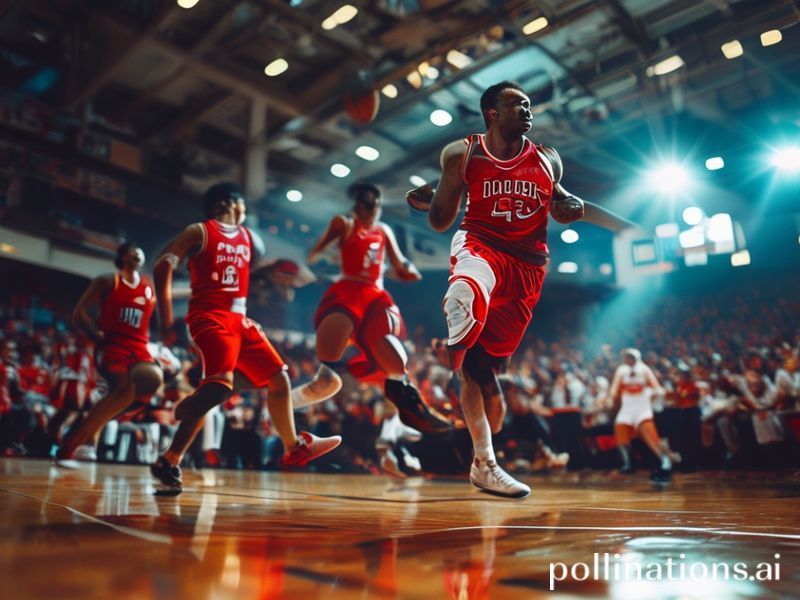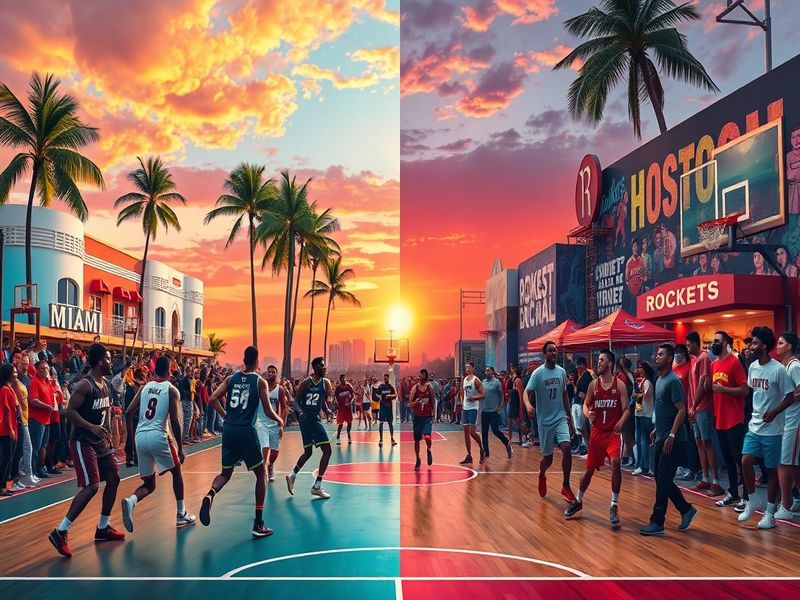
The Miami Heat and the Houston Rockets represent more than just two NBA franchises. They embody distinct cultural narratives that extend far beyond the hardwood. As these teams prepare for another chapter in their storied rivalry, it’s worth examining how their identities reflect broader trends in sports, entertainment, and global fandom.
This isn’t merely a contest between rosters. It’s a collision of philosophies, fanbases, and even geographic narratives. The Heat’s coastal swagger clashes with the Rockets’ Texan resilience, creating a dynamic that resonates across international borders. From Miami’s Latin-infused energy to Houston’s multicultural melting pot, each team’s identity tells a story that transcends basketball.
Cultural Identities: More Than Just Basketball
The Miami Heat built their brand on three championships in the 2010s, but their cultural footprint extends beyond trophies. Miami’s identity as a global crossroads—where Latin rhythms meet Art Deco glamour—shapes the Heat’s brand. The team’s Spanish-language broadcasts reach millions across the Americas, making them a de facto ambassador for the sport in regions where soccer often dominates.
Houston, by contrast, represents the American South’s expansive, diverse heartland. The Rockets’ history traces the city’s transformation from oil boomtown to space-age metropolis. Their fanbase reflects this evolution, with roots in both the African American community and the city’s growing Latino and Asian populations. Yao Ming’s tenure as the team’s global face in the 2000s cemented Houston’s place in international basketball consciousness.
These cultural distinctions play out in subtle ways. The Heat’s pregame introductions feature salsa beats, while Rockets games often open with country-tinged anthems. Such details might seem minor, but they contribute to each team’s unique atmosphere—a factor that increasingly influences player recruitment and fan engagement strategies worldwide.
The Globalization of the NBA and Team Strategies
The NBA’s international growth has reshaped how teams build their rosters and market themselves. The Heat and Rockets illustrate two distinct approaches to this global marketplace.
The Rockets have long been at the forefront of analytics and international scouting. Their embrace of three-point shooting—pioneered by coaches like Mike D’Antoni—aligned perfectly with the globalization of basketball tactics. Houston’s front office has consistently prioritized foreign talent, from Hakeem Olajuwon to current stars like Victor Oladipo, reflecting the city’s diverse population.
Miami’s strategy has been equally deliberate but with a different emphasis. The Heat built their dynasty around a “Big Three” model, blending star power with defensive intensity. Their international appeal stems from LeBron James’ global brand and the team’s association with Miami’s vibrant lifestyle. The franchise has also cultivated relationships with European clubs, creating a pipeline that extends from Barcelona to Belgrade.
Both approaches reflect the NBA’s broader evolution. The league’s international revenue now accounts for nearly 20% of total income, according to recent financial reports. Teams that successfully navigate this landscape—whether through analytics, cultural resonance, or star power—gain competitive advantages that extend beyond the court.
The Fan Experience: Atmosphere and Engagement
Attending a Heat game at Miami’s FTX Arena is an exercise in sensory overload. The arena’s design incorporates tropical motifs, while pregame festivities often feature Latin music and dancers. The crowd’s demographics skew younger and more international, reflecting Miami’s status as a cultural hub. Social media engagement during games frequently spikes with Spanish-language content, creating a digital echo of the in-arena experience.
Houston’s Toyota Center offers a different kind of spectacle. The arena’s proximity to the city’s downtown core creates an urban energy that feels distinctly Texan. Rockets games often feature country music and rodeo-inspired promotions, appealing to the region’s blue-collar roots while maintaining appeal to the city’s growing Asian communities. The team’s mascot, Clutch the Bear, embodies this blend of Southern charm and athletic ferocity.
These differences extend to how each team engages with fans beyond game night. The Heat’s social media presence leans heavily on lifestyle content, showcasing the team’s association with Miami’s nightlife and fashion scenes. The Rockets, meanwhile, emphasize community outreach programs that reflect Houston’s diverse neighborhoods, from Vietnamese cultural festivals to African American heritage events.
Key Differences in Fan Engagement Strategies
- Content Focus: Heat emphasizes lifestyle and luxury; Rockets centers community and diversity
- Language Strategy: Heat prioritizes Spanish-language content; Rockets balances multiple cultural narratives
- Event Programming: Heat leans toward nightlife-themed promotions; Rockets incorporates regional traditions
- Digital Platforms: Heat focuses on Instagram and TikTok; Rockets maintains strong local radio presence
The Broader Implications: What This Rivalry Reveals About Modern Sports
The Heat-Rockets rivalry offers a microcosm of how sports franchises must adapt to survive in the 21st century. The NBA’s international growth has made cultural fluency as important as on-court performance. Teams that fail to connect with global audiences risk losing relevance, regardless of their win-loss records.
This has led to interesting developments in player recruitment. Stars like Jimmy Butler and James Harden have become global brands in their own right, using their platforms to amplify social causes that resonate across borders. Their influence extends beyond basketball, shaping how younger players approach their careers and public personas.
The globalization of sports has also created new challenges. Teams must balance local identities with global appeal, often walking a tightrope between authenticity and marketability. The Heat’s association with Miami’s Latin culture rings true for many fans, but risks oversimplifying the city’s complex demographics. Similarly, the Rockets’ Texan branding may not fully capture Houston’s international character.
These tensions reflect broader societal changes. As migration patterns reshape urban landscapes, sports franchises increasingly serve as cultural ambassadors. The Heat and Rockets demonstrate how teams can leverage their unique positions to build bridges between communities, both domestically and internationally.
Lessons for Other Sports and Franchises
The strategies employed by the Heat and Rockets offer valuable insights for other sports organizations:
- Authenticity Matters: Fans can spot forced cultural appropriation from miles away. Genuine connections to local communities build lasting loyalty.
- Technology is a Tool, Not a Strategy: While digital platforms are essential, they should serve a broader cultural mission rather than existing in a vacuum.
- Global ≠ Generic: The most successful international brands maintain strong local roots while appealing to universal values.
- Player Empowerment: Athletes increasingly shape their teams’ cultural narratives, making personal branding a key consideration in roster construction.
As the NBA continues its global expansion, the Heat-Rockets rivalry will likely evolve into something even more complex. New technologies, shifting migration patterns, and changing fan expectations will demand constant adaptation. Yet the core elements that make this matchup compelling—cultural identity, competitive fire, and global ambition—will remain central to its appeal.
For fans around the world, the next chapter in this rivalry offers more than just basketball. It represents a chance to witness how sports can bridge cultures, challenge stereotypes, and reflect the ever-changing face of modern society. Whether you’re drawn to Miami’s Latin rhythms or Houston’s Texan grit, one thing is certain: the Heat-Rockets rivalry has become a global story with implications far beyond the court.