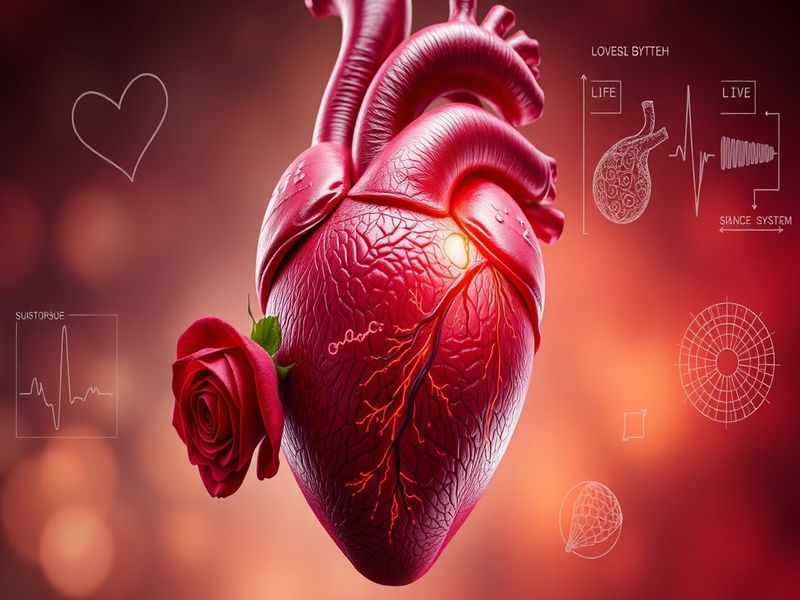
The human heart beats approximately 100,000 times each day, pumping blood through a network of vessels spanning 60,000 miles. Beyond its biological function, the heart carries deep cultural, emotional, and symbolic significance across civilizations. This dual role—as both a vital organ and a powerful metaphor—has shaped human expression for millennia.
From ancient mythology to modern medical technology, the heart remains one of the most recognizable symbols in the world. Its imagery adorns everything from Valentine’s Day cards to medical textbooks, reflecting its dual presence in both the physical and emotional realms. To understand the heart’s enduring relevance, it’s worth examining its roles across different domains.
The Heart in History and Culture
Ancient Egyptians believed the heart was the seat of intelligence and emotion, even weighing it against a feather in the afterlife to determine a person’s worth. In contrast, ancient Greeks associated the heart with courage and passion, a connection that persists in modern language through phrases like “a heart of gold” or “wear your heart on your sleeve.”
Medieval Europe adopted the heart as a symbol of love and devotion, largely due to the influence of courtly love traditions. The Catholic Church later emphasized the Sacred Heart of Jesus, a devotional image representing divine love and sacrifice. This religious symbolism endures today, appearing in art, tattoos, and religious iconography worldwide.
In Eastern traditions, the heart is tied to spiritual energy. In Traditional Chinese Medicine, the heart is considered the “emperor” of the body, governing not only circulation but also mental clarity and emotional balance. Practices like Qigong and meditation often focus on cultivating heart energy, or shen, to promote inner peace and vitality.
- Ancient Egypt: Heart as the seat of intelligence and moral judgment.
- Ancient Greece: Heart linked to courage, passion, and emotion.
- Medieval Europe: Heart symbolizing romantic love and devotion.
- Eastern Traditions: Heart as a center of spiritual energy and balance.
The Science of the Beating Heart
The human heart is a muscular organ roughly the size of a closed fist, located slightly left of center in the chest. It operates as a dual pump, with the right side moving deoxygenated blood to the lungs and the left side distributing oxygen-rich blood throughout the body. This process repeats about 2.5 billion times over an average lifetime.
Heart disease remains the leading cause of death globally, accounting for nearly one-third of all fatalities. Conditions such as coronary artery disease, arrhythmias, and heart failure highlight the fragility of this organ. Medical advancements, including pacemakers, stents, and heart transplants, have significantly improved survival rates and quality of life for millions.
Research into heart health has expanded beyond physical function to include emotional well-being. Studies suggest that chronic stress and negative emotions can contribute to cardiovascular disease, emphasizing the mind-heart connection. Practices like mindfulness and stress reduction are now recognized as vital components of heart health.
For those interested in further reading on health and wellness, Dave’s Locker Health offers in-depth articles on maintaining physical and mental vitality.
The Heart as a Symbol of Love and Connection
The heart’s association with love is perhaps its most pervasive cultural role. The modern heart symbol (❤️), with its symmetrical curves and pointed bottom, emerged in the Middle Ages and became standardized through printing and digital communication. This icon transcends language barriers, universally representing affection, desire, and emotional connection.
Psychologists note that the heart’s symbolic power stems from its role in physical sensations tied to emotion. The “fluttering heart” or “heartache” are metaphors rooted in real physiological responses. When we experience strong emotions—whether joy, grief, or attraction—our hearts often react with measurable changes in rhythm and rate.
Romantic love is not the only context in which hearts symbolize connection. Hearts appear in expressions of friendship, family bonds, and even patriotism. The phrase “home is where the heart is” underscores the emotional attachment to place, while symbols like the heart emoji are used daily to convey warmth and goodwill in digital communication.
The Heart in Art, Music, and Literature
Artists have long used the heart to convey complex emotions and narratives. Frida Kahlo’s self-portraits often incorporate heart imagery, symbolizing both physical pain and emotional resilience. In literature, Shakespeare’s Romeo and Juliet famously declares, “My bounty is as boundless as the sea, my love as deep; the more I give to thee, the more I have, for both are infinite.” The heart, here, becomes a vessel for infinite passion and tragedy.
Music, too, frequently turns to the heart as a thematic anchor. From classic ballads like “My Heart Will Go On” to modern anthems like Ed Sheeran’s “Shape of You,” songs explore love, loss, and longing through the lens of the heart. Even genres like punk and hip-hop use heart imagery to challenge societal norms or express defiance.
The heart’s versatility as a symbol allows it to adapt to different artistic movements and cultural contexts. Whether depicted literally or metaphorically, it remains a potent visual and emotional tool.
Caring for Your Heart: Practical Steps
Maintaining heart health requires a combination of lifestyle choices and medical vigilance. Regular exercise, a balanced diet, and avoiding smoking are foundational steps. The American Heart Association recommends at least 150 minutes of moderate-intensity aerobic activity per week, alongside a diet rich in fruits, vegetables, whole grains, and lean proteins.
Monitoring blood pressure and cholesterol levels is equally important. High blood pressure, or hypertension, often has no symptoms but can lead to severe complications like stroke or heart attack. Simple habits, such as reducing sodium intake and managing stress, can significantly lower risks.
For those with a family history of heart disease, genetic factors may play a role. Genetic testing and early screenings can provide critical insights. Advances in personalized medicine now allow treatments to be tailored to an individual’s genetic profile, offering more effective and targeted care.
- Exercise regularly: Aim for 150 minutes of moderate activity weekly.
- Eat a heart-healthy diet: Focus on whole foods and limit processed sugars and fats.
- Monitor blood pressure: Check levels regularly and consult a doctor if they’re elevated.
- Manage stress: Practice mindfulness, meditation, or other relaxation techniques.
- Get regular check-ups: Early detection of issues can prevent complications.
Understanding the heart’s dual nature—as both a biological powerhouse and a cultural icon—offers a deeper appreciation for its role in our lives. Whether through the lens of science, art, or personal experience, the heart remains a symbol of life, love, and resilience.